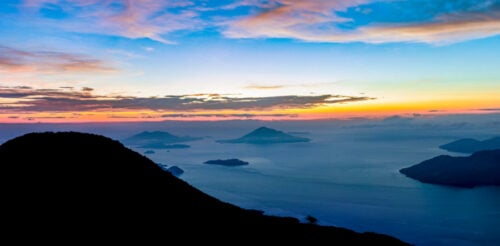
Surfing in El Salvador.
Surf City El Salvador has turned the country’s Pacific coast into a major tourism destination with its excellent surf breaks, beautiful beaches, vibrant coastal towns and general relaxed atmosphere.
Whilst surfing is very much part of its identity, there’s a whole lot more to be found. You can go down to the fishing villages, eat the local fish, watch the sunsets and just chill out by the sea.
From the well-known beaches of La Libertad to the more tranquil shores of eastern El Salvador, Surf City demonstrates the variety of El Salvador’s stunning Pacific beaches and coastal communities.

What is Surf City El Salvador?
Surf City is a tourism project aimed at promoting El Salvador’s Pacific coast, improving the tourism infrastructure, and drawing in visitors looking for surfing, beach holidays, and the like.
The project is predicated on the nation’s natural assets in that regard: the reliable Pacific swells, the warm tropical climate, and the number of beaches in the vicinity of the major urban centers.
Rather than being a reference to one particular city, Surf City is in fact a term that can be applied to a number of different coastal towns. Each of these towns will have its own mix of beaches, local communities, restaurants, accommodation and the range of outdoor activities available.
The project also aims to build the resilience of coastal communities through increased tourism investment, support for local businesses and the improvement of public spaces and transport links.
While international surfing competitions have helped to put El Salvador on the map in terms of exposure, Surf City’s appeal is very much more than just surfing.
Surf City One v Surf City Two: what’s the difference?
Surf City One and Surf City Two are two of the major coastal tourism development areas in El Salvador. The objective in both cases is to promote tourism, though they are in different parts of the country.
Surf City One is all about the established surf destinations along the La Libertad coastline. Surf City Two is focused on the development of tourism opportunities along the eastern Pacific coast.
Surf City One: La Libertad’s Popular Surfing Coast
Surf City One (often referred to as Surf City 1) is focused on the coastal area of La Libertad, which contains some of El Salvador’s most well-known surf spots.
This area comprises El Tunco, El Sunzal, El Zonte, and Punta Roca. It’s a well-known area with some excellent waves, a number of beachside restaurants, and a very strong tourism presence.
So many people go to this area as it’s fairly close to San Salvador and El Salvador International Airport. It’s ideal for weekend getaways and for longer holidays.
The area has a very developed tourism industry with surf schools, accommodation, restaurants, and all the associated businesses to cater to both the local Salvadoran population and the international visitor.
Surf City One isn’t just for surfers, though. Families, couples, and groups of friends all come down to the coast to enjoy the seafood, check out the local towns, and just hang out by the Pacific.
| Beach Name | Best For | Surf Level | Highlights |
|---|---|---|---|
| El Tunco | Surfing, nightlife, dining | Beginner to advanced | Iconic rock formation, surf schools, bars, and restaurants. |
| El Sunzal | Surfing, relaxation | Intermediate to advanced | Long right-hand waves, surf culture, and ocean views. |
| El Zonte | Surfing, relaxation | Beginner to advanced | Bitcoin Beach community, laid-back atmosphere, and surf spots. |
| El Majahual | Family outings, dining | Varies by conditions | Beachfront restaurants, local seafood, and weekend activities. |
| Punta Roca | Professional surfing, competitions | Advanced | World-class right-hand point break and international surf events. |
| El Palmarcito | Relaxation, surfing | Intermediate to advanced | Small coastal community, scenic coastline, and surf breaks. |
Surf City Two: Eastern El Salvador’s Coastal Destinations
Surf City Two (also known as Surf City 2) is the one that covers the eastern coastline, specifically the coastal area of Usulután and San Miguel.
The initiative includes infrastructure improvements aimed at improving tourism links and supporting destinations such as El Cuco, Las Flores, and Punta Mango.
Compared to the more established tourism corridor of La Libertad, eastern El Salvador has a very different coastal experience with much quieter surroundings, fishing communities, and stretches of beautiful coastline.
Las Flores and Punta Mango are the ones that will draw in the more experienced surfers looking for good waves. The other beaches in the area are good for just hanging out, walking along the coast, and taking in the natural beauty of the place.
Travelers in the area can also come across traditional restaurants, small coastal villages, and a very different kind of landscape from the more touristy beaches further west.
| Beach Name | Best For | Surf Level | Highlights |
|---|---|---|---|
| El Cuco | Relaxation, family outings | Beginner-friendly areas | Wide sandy beach, seafood restaurants |
| Las Flores | Surfing, beach vacations | Intermediate to advanced | Long right-hand waves, surf resorts |
| La Vaca | Surfing, exploring | Experienced surfers | Remote coastline, uncrowded setting |
| El Toro | Surfing, adventure | Advanced | Remote surf breaks, natural scenery |
| La Ventana | Surfing, relaxation | Varies by conditions | Quiet coastline, changing surf conditions |
| El Carrizal | Nature, exploring | Not well documented | Secluded beach, natural surroundings |
| Punta Mango | Surfing, adventure | Advanced | Powerful right-hand waves, scenic coast |
| La Periquera | Exploring, nature | Not well documented | Remote coastal setting, natural scenery |
| El Floral | Exploring, relaxation | Not well documented | Quiet surroundings, undeveloped coast |
| El Bonjo (El Bongo) | Surfing, adventure | Experienced surfers | Remote surf area, rugged coastline |
| El Abrojal | Nature, exploring | Not well documented | Secluded coastline, peaceful setting |
Key Differences Between Surf City One and Surf City Two
Both locations provide excellent coastal experiences. The best choice depends on whether you seek the lively atmosphere of beach towns with established tourist facilities or prefer a quieter setting with a more relaxed vibe.
| Feature | Surf City One | Surf City Two |
|---|---|---|
| Main Region | La Libertad | Eastern coastline |
| Popular Destinations | El Tunco, El Sunzal, El Zonte | El Cuco, Las Flores, Punta Mango |
| Tourism Development | More established | Developing tourism corridor |
| Atmosphere | Lively and tourist-oriented | Generally quieter and more relaxed |
| Main Appeal | Surfing, restaurants, nightlife | Surfing, nature, coastal escapes |
| Accessibility | Closer to San Salvador | Longer journey from the capital |

Surf City El Salvador Is More Than Just Surfing
Surfing may have given the place its name (Surf City), but it’s by no means a one-trick pony for the visitor who’s never set foot on a surfboard.
The coast draws in Salvadoran families, international tourists, photographers, foodies, and anyone else who wants to enjoy the Pacific Ocean without necessarily doing any water sports.
Relaxing on Beautiful Pacific Beaches
Some people just come to Surf City to get the ocean air, the warm weather, and the coastal views. There’s no need to have a program of activities at all.
Beaches such as El Cuco have quite extensive sandy areas, whereas the beaches around La Libertad are a mixture of rocky shores, lots of oceanfront businesses, and some excellent views of the Pacific.
Ocean conditions are very different from one beach to another, so it’s always worth checking the local swimming conditions before you go in (particularly in rocky areas and where there are strong currents).
Enjoying Salvadoran Seafood and Coastal Cuisine
Food is a big part of the Surf City experience. The coastal restaurants serve up the traditional Salvadoran seafood dishes using the ingredients that are associated with the fishing communities of the country.
You can sample fried fish, shrimp, ceviche, seafood soups, and various other local specialties either from the beach or from restaurants located in the vicinity of the fishing ports.
The Puerto de La Libertad area is very much geared towards seafood and is a very popular spot with families and groups wanting a traditional coastal-style meal.
Exploring Coastal Towns and Local Communities
Surf City links the traveler with the communities that have grown up around fishing, commerce, and tourism. Each one is a different insight into coastal life.
El Tunco has a very young feel to it with all the restaurants, cafes, and nightlife. El Zonte is a much smaller coastal town and is well known for its surfing culture.
Further east, the communities around El Cuco offer the chance to experience a more tranquil aspect of coastal El Salvador where fishing is still very much part of the way of life.
Watching Sunsets and Enjoying Coastal Scenery
One of the simplest pleasures of Surf City is just watching the sun go down over the Pacific. Loads of people will be down on the shore in the late afternoon.
Beachfront restaurants, scenic lookouts, and open stretches of sand all provide different settings in which to enjoy the ever-changing hues of sky and sea.
For those who prefer a slower pace of travel, an evening stroll or simply a quiet meal by the water is just as good as surfing.
Best Beaches to Visit in Surf City, El Salvador
Surf City has some of El Salvador’s most famous beaches, from the well-known surf breaks to the more secluded stretches of beach.
Each location has its own character, so you can pick your destination based on what you’re looking for in a beach destination, your travel style, and the beach atmosphere you’re after.
El Tunco Beach
El Tunco is one of El Salvador’s most popular coastal destinations and is famed for its unique offshore rock, its surfing culture, its restaurants, and its very lively nightlife.
The town draws in international backpackers, surfers, and Salvadorans who are after a good old beach town vibe. It’s a small town, so it’s very easy to get around and see the restaurants, the hotels, and the beach.
El Sunzal Beach
El Sunzal is a favorite with surfers due to its long, reliable right-hand point break, which will cater to surfers of all abilities.
Beyond the waves, the beach is a very relaxed environment with oceanfront accommodation and restaurants. It’s very much a destination for people who want to be on the beach and spend time by the water.
El Zonte Beach
El Zonte is a blend of a small coastal village and a well-established surf scene. It’s one of the places that people will often say has a much more relaxed vibe than some of the other more popular coastal destinations.
The beach has also attracted international attention through various Bitcoin-related projects, though of course the natural beauty and surfing are still the key drivers of its appeal as a tourist destination.
Punta Roca
Punta Roca (near the port of La Libertad) is one of El Salvador’s most famous surf breaks, famed for its big, fast right-handers.
The break is popular with experienced surfers, especially when the swells are big. Those who aren’t surfing can of course still make the most of the area by checking out the other coastal sights and dining at the local restaurants.
l Cuco Beach
El Cuco in eastern El Salvador has a very different beach scene to the others, with a wide sandy beach, lots of traditional coastal-type businesses, and a much more relaxed vibe.
Lots of Salvadoran families come down for the weekend (seafood, the beach, etc.). Its position also makes it a good base for exploring the various eastern coastal destinations.
Las Flores Beach
Las Flores (near El Cuco) is famous for its right-hand point break and the beautiful setting. It’s a spot that draws surfers looking for some of the waves in eastern El Salvador.
The area is also attractive to those looking for beachfront accommodation, peaceful ocean views, and a more relaxed alternative to some of the more touristy areas of La Libertad.
Punta Mango
Punta Mango is a famous surf spot on the eastern coast of El Salvador and is particularly popular with experienced surfers after the quality of the waves is well established.
It’s quite a remote location, so it has a rather peaceful atmosphere. The catch with that, though, is that getting there is not necessarily easy, so you do need to plan your transport accordingly, as it’s not always as straightforward as getting to one of the more traditional beach towns.
Other Popular Beaches
Surf City has plenty of beaches beyond its famous surfing destinations. El Cocal attracts surfers with its consistent waves, while El Majahual offers a lively atmosphere, beachfront restaurants, and space to relax.
La Libertad Beach is another popular stop, especially for visitors exploring the nearby pier and seafood market. Many travelers enjoy its coastal atmosphere, local food, and easy access to nearby attractions.
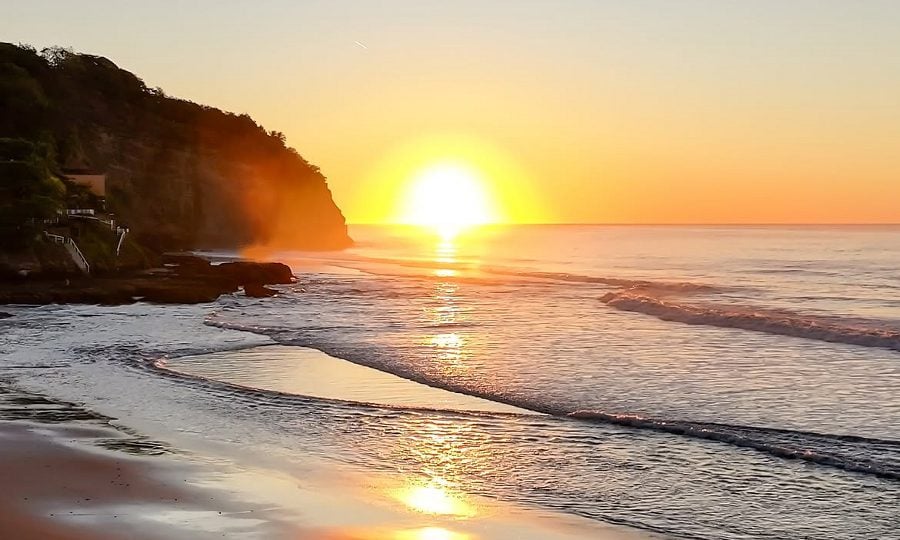
Surfing in Surf City El Salvador
El Salvador’s Pacific coast has a range of surf breaks, from point breaks to beach breaks, and these attract surfers from all over the world.
The country’s tropical climate means you can surf all year round, though the size, quality and conditions of the waves will vary with the season.
Best Surf Spots for Beginners
Beginners should be looking for smaller waves, appropriate ocean conditions and instructors who are familiar with the local currents, tides and any hazards.
Surf schools are based around the established tourist destinations of El Tunco and El Sunzal, where the instructors can assist the visitors in selecting the right place to learn.
Not every famous surf break is going to be suitable for beginners. You’re much better off asking the locals what the conditions are rather than just assuming that because a place is well known for surfing, it must be easy to get into.
Best Surf Spots for Experienced Surfers
Experienced surfers will often head to Punta Roca, El Sunzal, Las Flores, and Punta Mango, where the swells can be very good and produce some big, difficult waves.
Each break is going to behave in a different way depending on the swell direction, the tide, the wind, and the season, so local knowledge is very valuable when it comes to planning your sessions.
Best Time of Year to Surf
El Salvador typically gets bigger and more consistent swells from the south during the rainy season (which runs from May to October).
The dry season (November to April) generally brings smaller waves and more predictable weather, though good surfing conditions can be found at any time of year.
Surfers should be looking at their own skill level and what type of wave they’re after rather than just picking their dates based on the weather.
Best Time to Visit Surf City El Salvador
Surf City is a year-round destination thanks to El Salvador’s warm tropical climate. The dry and rainy seasons are very different in terms of the travel experience.
Visiting During the Dry Season
Nov to April is generally the sunnier period with less rain, so it’s the period you’d typically find people on holiday (beach, sightseeing, outdoor dining, etc.).
The dry season is very attractive to people who want to visit a number of different coastal destinations without having to keep altering their plans all the time because of the afternoon showers.
Visiting During the Rainy Season
The rainy season is from May to October (greener landscapes, higher humidity, and periods of quite heavy rain, especially in the afternoon/evening).
Visitors can still go to the beach during this time but should be mindful of the weather and be particularly wary of strong currents and rough seas.
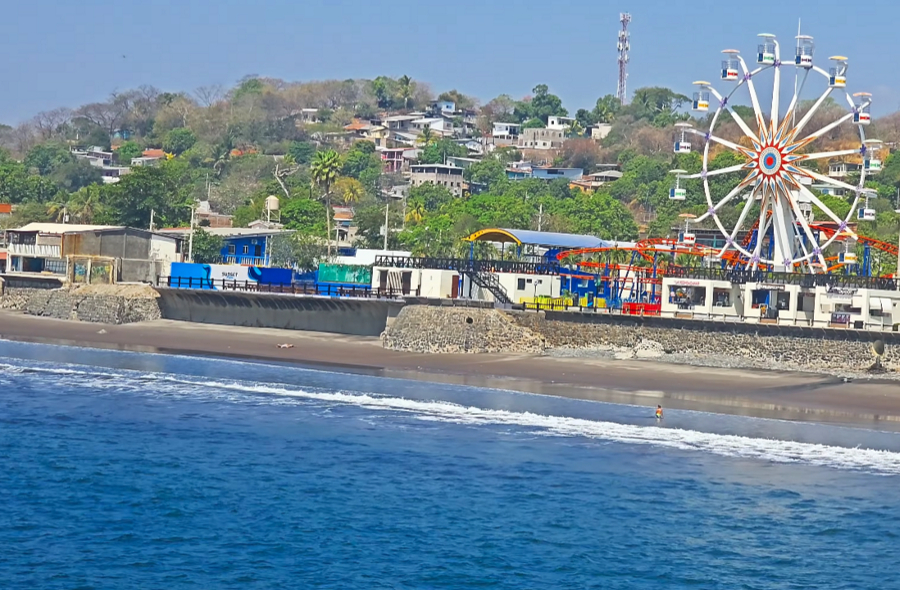
How to Get to Surf City El Salvador
Surf City One is fairly easy to get to from San Salvador and from El Salvador International Airport, so La Libertad’s coastal destinations are very popular for day trips.
Travelers can get to the area by private car, rental car, shuttle, or public transport depending on their budget and how much convenience they’re after.
Getting to Surf City Two generally involves a longer journey towards eastern El Salvador, where the transport options and road conditions will vary depending on where you’re going.
People wanting to go to a number of beaches may find it quite useful to rent a car, especially when traveling between the smaller villages and outposts that have very limited transport options.
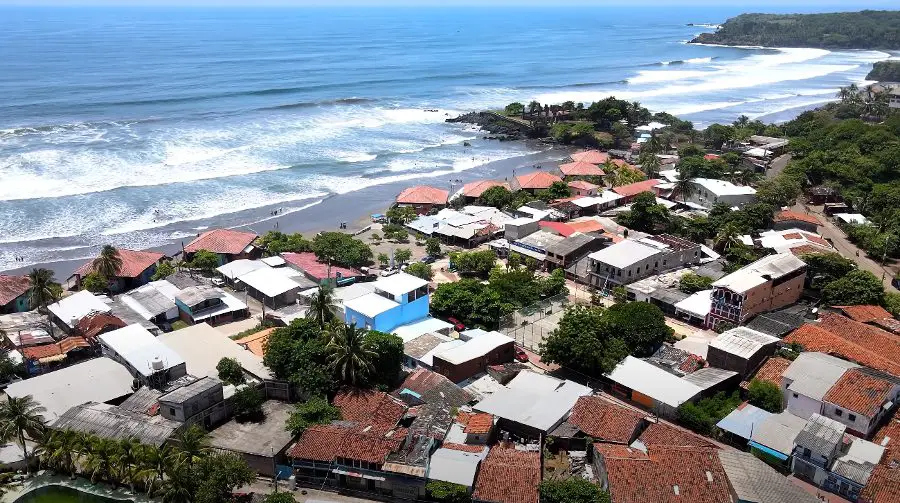
Where to Stay in Surf City El Salvador
Accommodation options vary from budget surf hostels to boutique hotels, beachfront resorts, and vacation rentals depending on where you are and your travel budget.
El Tunco is the one that draws in the people who are after the nightlife and the social scene. El Zonte and El Sunzal are the ones that attract the more laid-back types who are after a coastal atmosphere.
Eastern destinations such as El Cuco and Las Flores have accommodation options which are ideal for beach holidays, surfing trips, and those looking for a quieter atmosphere.
Before you book, you should bear in mind beach access, transport, the availability of restaurants in the vicinity, and whether the property is appropriate for the type of activities you’re looking to do.

Travel Tips for Exploring Surf City
A bit of planning will go a long way to making your visit to Surf City easier, particularly if you’re a first-time visitor to the Pacific coast of El Salvador.
- Choose your beaches carefully as some are far better suited to surfing than to swimming, particularly where the waves and currents are strong.
- Take sun protection with you. The sun can be very strong even on overcast days.
- Carry some cash as some of the smaller coastal businesses may not take credit cards.
- Plan your transport as the journey between beaches can take considerably longer than you might expect, especially in the eastern areas.
- Respect the local communities. Support local businesses, abide by beach rules, and dispose of your rubbish responsibly.
- Check the ocean conditions. Strong currents, rocky shorelines, and changing tides can all be hazards for swimmers and surfers.

Why Surf City El Salvador Is Worth Visiting
Surf City has gone some way to putting the Pacific coast of El Salvador on the map, introducing visitors to a range of destinations that blend surfing with the natural beauty of the coast, the local culture, and the traditional coastal experience.
The contrast between Surf City One and Surf City Two gives visitors different ways to explore the country, from lively tourist towns in La Libertad to quieter eastern beaches.
Whether you’re interested in catching waves, enjoying Salvadoran seafood, exploring fishing communities, or relaxing beside the ocean, Surf City offers much more than its name suggests.
Surf City is just one part of the adventure. Explore tourism in El Salvador to discover volcanoes, charming towns, archaeological sites, and other exciting places worth visiting.