 Salvadoran Chicha.
Salvadoran Chicha is a traditional fermented alcoholic drink made primarily from corn, panela, and other natural ingredients. Its distinctive flavor and centuries-old preparation methods make it an important part of El Salvador’s culinary heritage.
Unlike store-bought alcoholic drinks, Chicha brings together local ingredients, family recipes, and fermentation methods passed down through generations.
Chicha is just one example of the country’s diverse drinking traditions. From refreshing fruit beverages to corn-based specialties, traditional drinks enjoyed throughout El Salvador offer a fascinating look at local food culture.
What Is Salvadoran Chicha?
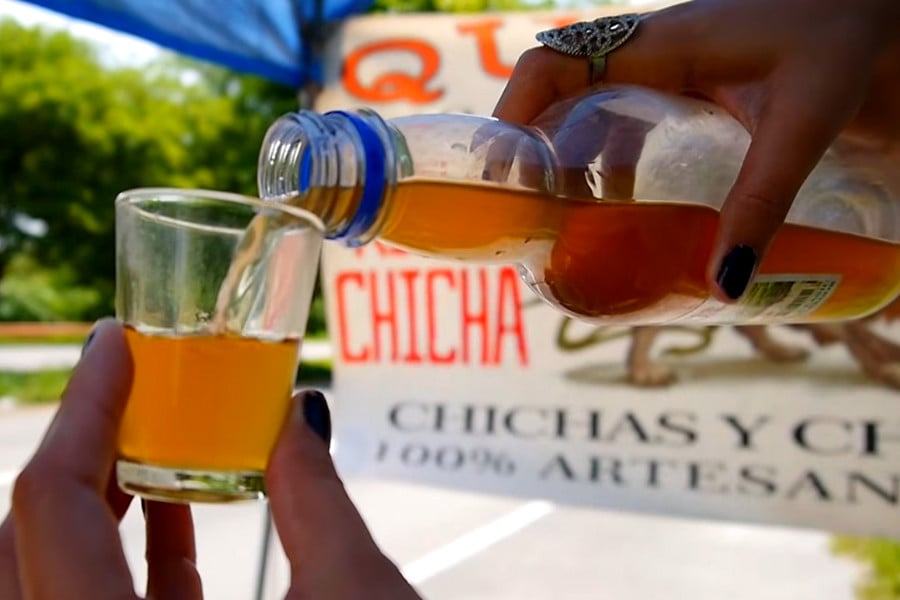
Salvadoran Chicha is a fermented drink made from germinated corn, unrefined cane sugar, pineapple peels, and spices. As these ingredients ferment naturally, the drink develops different levels of sweetness and alcohol.
Traditional Chicha, unlike beer or commercial spirits, does not have a set recipe. Families and local makers change the ingredients, fermentation time, and how they prepare it based on what they like.
FUNDESYRAM, a Salvadoran rural development group, says that traditional corn chicha is made by fermenting germinated corn with pineapple, panela, and spices in large containers, which are often clay.
The resulting beverage can taste sweet, slightly sour, or noticeably strong. Its flavor depends on the ingredients, fermentation conditions, and how long the mixture rests before consumption.
The History and Indigenous Origins of Salvadoran Chicha
Chicha has deep roots in the indigenous cultures of Central and South America. Long before European colonization, communities prepared fermented beverages using corn and other locally available agricultural products.
In what is now El Salvador, corn-based drinks were part of indigenous food traditions. Some of these fermented drinks were also used in ceremonies and at community events.
A University of El Salvador study on traditional fermented beverages documents the historical importance of corn fermentation and describes several traditional Salvadoran alcoholic drinks.
Over the years, people started adding ingredients like sugarcane panela to traditional chicha recipes, creating new variations. Even as customs changed, Chicha remained a popular homemade drink in rural communities.
Traditional Ingredients Used to Make Salvadoran Chicha
Traditional Salvadoran Chicha relies on relatively simple ingredients. However, their proportions and combinations can change considerably depending on the recipe and the desired flavor.
The most commonly documented ingredients include:
- Germinated corn: Provides the traditional grain base.
- Panela or dulce de atado: Adds sweetness and fermentable sugars.
- Pineapple peels: Contribute fruity flavors and natural microorganisms.
- Ginger: Adds a slightly spicy character.
- Allspice and cloves: Provide aromatic notes.
- Water: Combines the ingredients and supports fermentation.
Some recipes also include culantro or other seasonings. As XPOT’s article on this ancestral Salvadoran beverage explains, traditional preparations can vary considerably between households.
How Is Traditional Salvadoran Chicha Made?
Making traditional Chicha begins with soaking corn until it starts germinating. The softened grains are then placed in a large container, traditionally made from clay.
Next, add pineapple peels, panela, water, and your chosen spices. Let the mixture sit so that natural microorganisms can turn the sugars into alcohol and other fermentation products.
Fermentation may continue for several days or longer, depending on the recipe. During this period, the beverage develops its characteristic aroma, acidity, sweetness, and alcoholic strength.
In some traditional methods, people replace some of the liquid and add more sweetener while the drink ferments. These steps can create different flavors, but it’s still hard to measure the alcohol content at home without special tools.
Since uncontrolled fermentation can let in harmful microorganisms, traditional methods don’t always make the drink safe. Anyone making or drinking homemade Chicha should pay attention to cleanliness, good ingredients, and safe food practices.
Different Types of Chicha
Corn chicha is the most famous traditional type, but Salvadorans also make fermented drinks with tropical fruits. These versions depend on what is harvested locally and which ingredients are in season.
Chicha de marañón is made from the juicy cashew apple and has a fruity taste with a unique smell. Chicha de piña highlights the sweet and tangy flavor of pineapple.
Other preparations use tamarind, nance, or different grains. Each variation develops its own flavor, while fermentation time and sugar content influence the resulting alcoholic strength.
These recipes demonstrate how Salvadoran families have adapted traditional fermentation methods to local agriculture, creating beverages that reflect different ingredients and regional food customs.
Salvadoran Chicha vs. Chaparro Liquor: What’s the Difference?
Salvadoran Chicha and Chaparro share historical roots and similar ingredients, but they aren’t the same drink. The main difference is that Chicha undergoes fermentation, while traditional chaparro undergoes distillation.
Chicha becomes alcoholic when microorganisms ferment its sugars. Chaparro usually starts as a fermented corn mixture, which is then distilled to make it stronger.
The University of El Salvador’s research on fermented beverages identifies chaparro as a distilled product derived from corn-and-panela Chicha.
Chicha usually keeps more of its original sweetness, acidity, and fermented taste. Chaparro tends to have a higher alcohol content, but its flavor can change depending on how it is made.
Chaparro also has a recognized commercial identity. El Salvador’s Ministry of Economy has documented efforts to promote commercially produced chaparro made from distilled corn chicha.
| Feature | Salvadoran Chicha | Chaparro Liquor |
|---|---|---|
| Type | Fermented alcoholic beverage | Distilled alcoholic spirit |
| Main Ingredients | Corn, panela, pineapple, water, and spices | Fermented corn, panela, and water |
| Production | Natural fermentation without distillation | Fermentation followed by distillation |
| Alcohol Content | Generally lower; varies by fermentation | Generally higher; varies by producer |
| Flavor | Sweet, tangy, and sometimes fruity | Stronger alcoholic taste with corn and sugarcane notes |
| Appearance | Often cloudy, with varying colors | Typically clear and transparent |
| Cultural Roots | Indigenous fermentation traditions | Salvadoran distilling traditions developed from fermented chicha |
| Traditional Uses | Family gatherings, festivals, and community celebrations | Celebrations, social gatherings, and traditional festivities |
Its Cultural Importance Today
Chicha represents more than a traditional alcoholic beverage. Its history connects indigenous agricultural knowledge, rural cooking practices, and the family traditions that have helped preserve Salvadoran recipes.
Modern drinks may be more popular these days, but Chicha still holds a special place in Salvadoran food traditions.
Learning about Chicha also gives you a closer look at the customs, traditions, and indigenous roots of Salvadoran culture. Traditional foods and drinks often tell stories you won’t find in history books.
From its fermented corn base to its connection with chaparro, Salvadoran Chicha reflects generations of culinary adaptation.