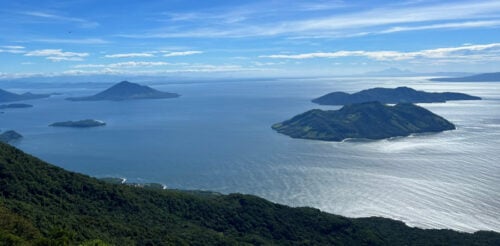
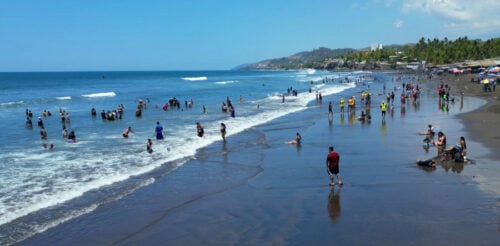
La Barra de Santiago in Ahuachapan.
Barra de Santiago El Salvador is a beautiful coastal destination known for its peaceful beaches, mangrove forests, and rich wildlife. It’s a great place to escape crowded tourist spots and enjoy nature.
Located in the western department of Ahuachapán, Barra de Santiago offers a different experience from many popular beaches in El Salvador; it combines ocean views, coastal wetlands, and traditional fishing communities.
People visit to relax on the beach, take boat rides through the mangroves, and eat fresh seafood. The peaceful setting is especially attractive to nature lovers and those who like adventure.
- Where Is Barra de Santiago Located?
- What Makes Barra de Santiago Special?
- Things to Do at Barra de Santiago
- Barra de Santiago Mangroves and Ecosystem
- How to Get to Barra de Santiago
- Best Time to Visit Barra de Santiago
- Where to Stay at Barra de Santiago
- Tips for Visiting Barra de Santiago
- Nearby Places to Explore
- Is Barra de Santiago Worth Visiting?
Where Is Barra de Santiago Located?
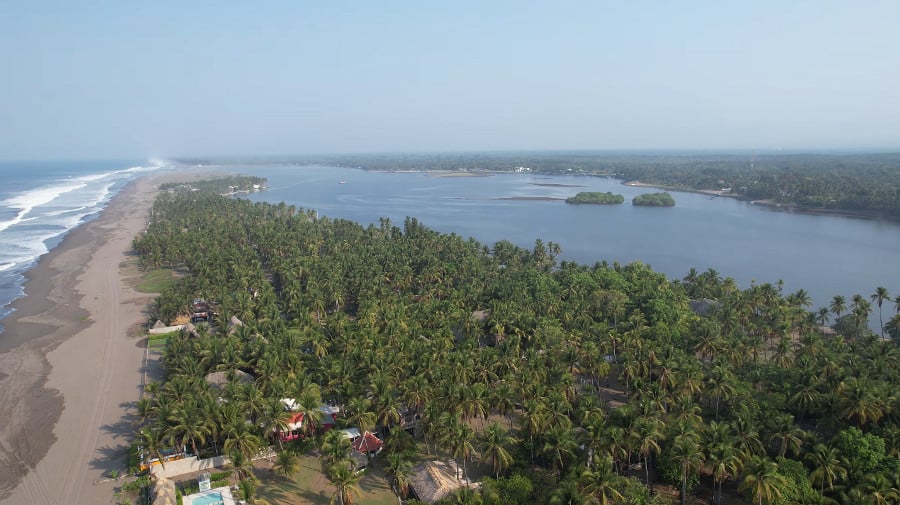
Barra de Santiago sits along El Salvador’s Pacific coast in the department of Ahuachapán, near the Guatemalan border. It belongs to the municipality of Jujutla and forms part of an important coastal ecosystem.
The beach is about 120 kilometers west of San Salvador, but the distance can change depending on where you start. Most visitors get there by taking the coastal highway and then local roads.
Unlike busy resort destinations, Barra de Santiago has maintained much of its traditional coastal character. Small communities, fishing boats, and natural landscapes shape the experience rather than large hotels and commercial attractions.
What Makes Barra de Santiago Special?
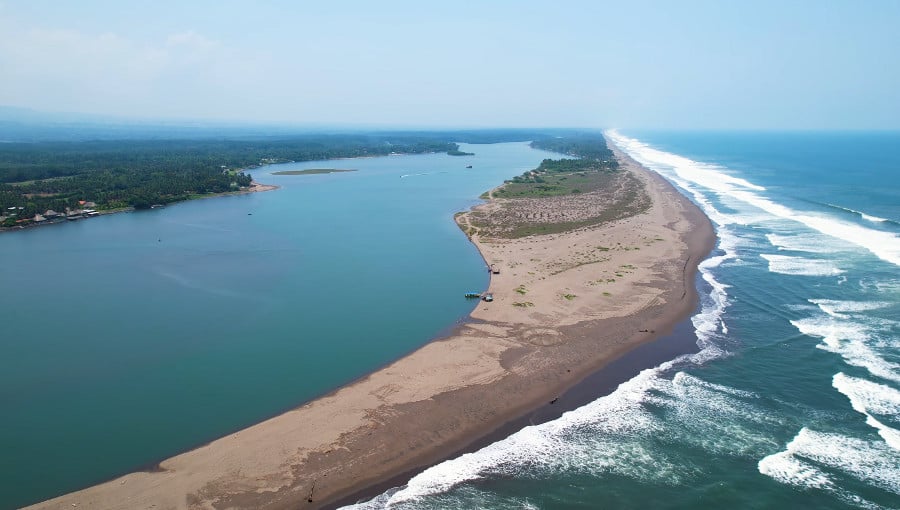
Barra de Santiago is unique because it brings together a Pacific Ocean beach with a large estuary and mangrove ecosystem. This special setting offers chances to relax, watch wildlife, and enjoy outdoor activities.
The area is also part of the Barra de Santiago Ramsar Site, a wetland recognized internationally for its ecological importance. Its mangrove forests provide habitats for birds, fish, crustaceans, and other coastal wildlife.
You can experience two different environments within a relatively small area. The ocean side offers broad sandy beaches, while the estuary provides calmer waters surrounded by dense vegetation.
Things to Do at Barra de Santiago
Although Barra de Santiago doesn’t have the busy entertainment scene found at some Salvadoran beaches, it offers plenty of activities for travelers who enjoy nature and slower-paced adventures.
Explore the Mangrove Forests
Exploring the mangrove channels by boat is a highlight for many visitors. Local guides take visitors through waterways surrounded by trees whose exposed roots create a fascinating coastal landscape.
During these excursions, travelers may spot herons, egrets, and other birds that depend on the wetlands. Guides also explain how mangroves protect the coastline and support local fishing communities.
Boat trips vary in duration and route, depending on the tides and local conditions. Arranging an excursion with a knowledgeable local guide makes the experience more informative and enjoyable.
Relax on the Beach
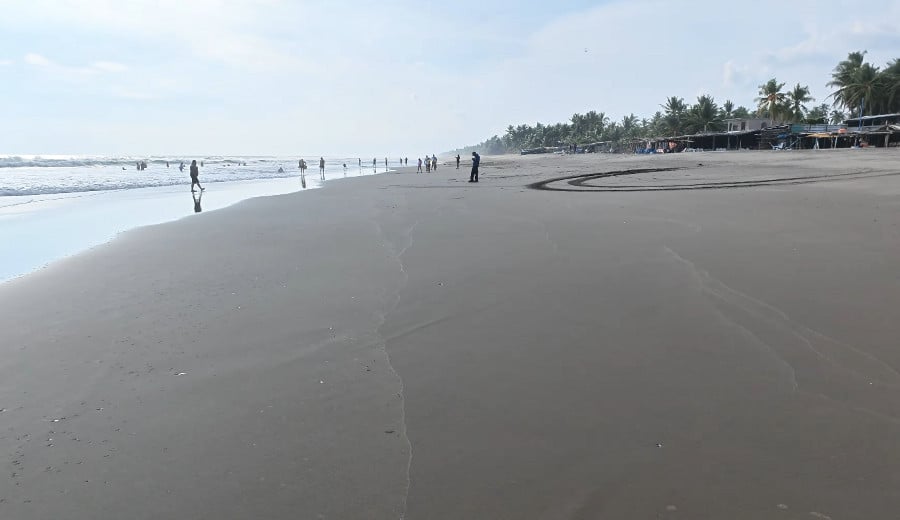
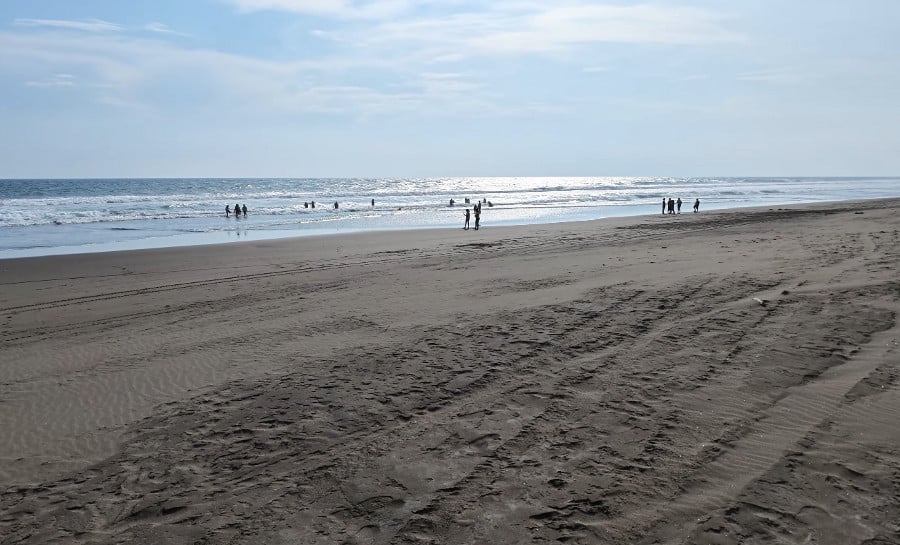
Barra de Santiago beach has a long stretch of dark volcanic sand, open ocean views, and lots of space to relax. It’s a great spot for anyone looking for a quieter place by the coast.
Many visitors like to walk along the shore, take photos of the scenery, or relax in the shade. The calm setting makes even a quiet afternoon by the water enjoyable.
Still, the Pacific currents and waves can be strong. Swimming conditions change, so it’s important to be careful, especially near the estuary mouth where the tides can make the water dangerous.
Watch Birds and Coastal Wildlife
Barra de Santiago attracts birdwatchers because its wetlands support resident and migratory species. The mangroves, mudflats, and surrounding vegetation provide feeding and resting areas for numerous coastal birds.
The best time to see wildlife is often early in the morning. If you walk quietly through the estuary, you might spot waterbirds looking for food along the banks and in the shallow channels.
The ecosystem also supports reptiles, fish, and various invertebrates. Wildlife sightings aren’t guaranteed, but exploring the wetlands reveals how much life exists beyond the sandy shoreline.
Enjoy the Sunset
As the afternoon winds down, Barra de Santiago becomes an inviting place to enjoy the changing colors of the Pacific sky. The open coastline provides beautiful views across the ocean.
Visitors often finish their day with a beach walk or a quiet moment near the water. Sunset photography is especially appealing when clouds and reflections add color to the landscape.
Barra de Santiago’s Mangroves and Natural Ecosystem
Mangrove forests are one of the most valuable natural features in Barra de Santiago. These salt-tolerant trees grow along the coast and provide safe habitats for many animal species.
Their tangled roots help keep the shoreline stable, trap sediment, and give young fish and crustaceans a place to grow. Mangroves also protect the coast during storms and strong waves.
The nearby wetlands link the ocean and land, which makes this area important for many different plants and animals. Conservation work aims to protect these habitats from pollution and from using resources in ways that are not sustainable.
Travelers can help preserve the environment by avoiding litter, respecting wildlife, and choosing responsible tour operators. Small actions make a difference in destinations where natural ecosystems support local livelihoods.
How to Get to Barra de Santiago
Most people get to Barra de Santiago by car from San Salvador or other cities in western El Salvador. The trip starts on main highways and then continues on smaller roads to the coastal towns.
Driving from San Salvador usually takes about two and a half to three hours. The time depends on traffic, road conditions, and where exactly you are going in the Barra de Santiago area.
You can also use public transportation, but getting to the beach might mean changing buses in nearby towns. It’s a good idea to check current bus routes and schedules before you go.
Using a private vehicle offers greater flexibility, especially if you want to explore nearby beaches, visit different sections of the estuary, or stay until sunset.
Best Time to Visit Barra de Santiago
Barra de Santiago welcomes visitors throughout the year, but weather conditions influence the experience. El Salvador generally has a dry season from November through April and a rainy season from May through October.
In the dry months, you can expect sunny beach days and easier outdoor activities. This season is great for sightseeing, taking photos, and relaxing by the coast.
The rainy season means greener scenery and sometimes heavy rain. You can still take mangrove tours if the weather allows, but it’s best to check for storms, tides, and changing conditions.
Weekdays generally offer a quieter atmosphere than weekends and major holidays. Travelers seeking fewer crowds may prefer visiting outside popular vacation periods such as Easter and year-end celebrations.
Where to Stay at Barra de Santiago
Most places to stay around Barra de Santiago focus on small, coastal hostals instead of large resorts. You’ll find vacation rentals, private beach houses, and simple, locally run lodging.
Some travelers choose to stay near the beach to enjoy the surroundings early in the morning. Others visit on a day trip from larger towns in western El Salvador.
Accommodation options and services can vary, so checking availability, road access, and amenities beforehand is helpful. This is especially important for visitors traveling with children or planning extended stays.
Tips for Visiting Barra de Santiago
Preparing ahead of time can make your visit to Barra de Santiago much smoother, especially if you want to see the estuary or spend a lot of time outside. Here are some useful tips to help you get ready.
- Pack sunscreen, water, insect repellent, and clothes that will keep you comfortable in the warm coastal weather.
- Book a mangrove boat tour with a local guide who knows the tides, how to get around, and the local wildlife.
- Bring some cash with you since smaller shops might not take electronic payments.
- Stay out of the water near the estuary entrance or anywhere with strong currents.
- Be respectful of people fishing, private property, and areas where wildlife is protected.
- Look up the weather before you plan any boat trips or long outdoor activities.
Nearby Places to Explore
Barra de Santiago also provides a convenient starting point for exploring other attractions in western El Salvador. Travelers with additional time can combine their beach visit with nearby coastal or inland destinations.
Metalío Beach is known for its dark sand and Pacific views. It’s a great coastal stop for anyone exploring western El Salvador.
Los Cóbanos has rocky shores and rich marine habitats. It attracts travelers who enjoy snorkeling and exploring underwater life when the conditions are right.
Apaneca sits in the western highlands and offers cooler weather and coffee-growing scenery. It shows a different side of tourism in El Salvador.
Is Barra de Santiago Worth Visiting?
Barra de Santiago is a great place for travelers who love natural beauty, quiet beaches, and real coastal communities. The mix of ocean views and mangrove forests makes it a unique spot.
This area is less developed than other beach destinations, so it invites you to slow down and enjoy the scenery. You can explore the estuary, watch wildlife, and try fresh seafood—these are some of the best things to do here.
Whether you want a day trip or a relaxing stay by the coast, Barra de Santiago gives you a real look at El Salvador’s natural beauty and the daily life of its fishing communities.