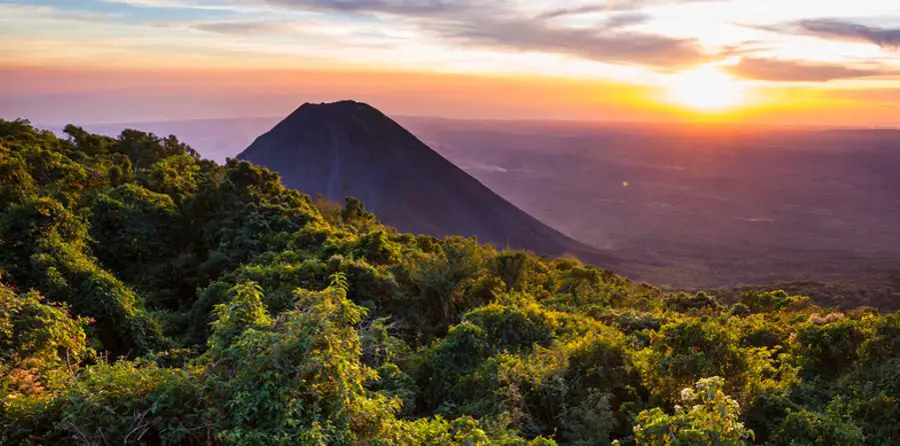
 Cerro Verde National Park.
Natural Parks in El Salvador offer visitors an opportunity to explore volcanic landscapes, tropical forests, peaceful lakes, and mountain ecosystems within one of Central America’s smallest countries.
Despite its size, El Salvador has an impressive variety of natural attractions. From mist-covered highlands to coastal mangroves, these destinations reveal a quieter, greener side of the country.
Exploring these protected areas is an essential part of El Salvador Tourism, especially for travelers who enjoy hiking, wildlife watching, photography, and spending time outdoors.
- What Are Natural Parks in El Salvador?
- National vs. Natural vs. Recreational Parks
- Best Natural Parks in El Salvador to Visit
- Other Natural and Recreational Parks Worth Exploring
- Things to Do in El Salvador Natural Parks
- Best Time to Visit Natural Parks in El Salvador
- Tips for Visiting El Salvador’s Natural Parks
- Why El Salvador’s Natural Parks Matter

What Are Natural Parks in El Salvador?
Natural parks are areas where forests, wildlife, geological formations, and other environmental features receive some level of protection. Many also provide opportunities for outdoor recreation, environmental education, and responsible tourism.
El Salvador has a little bit of everything when it comes to nature, from cloud forests and volcanic mountains to tropical dry forests, wetlands, and coastal areas. Each landscape is home to different plants and wildlife, giving the country’s protected areas plenty of variety.
Some of these parks have hiking trails, viewpoints, visitor facilities, and guided activities. Others focus primarily on conservation with limited public access.
The distinction matters because not every protected area operates as a tourist destination. You should always check access requirements, available services, and current regulations before planning a trip.
National Parks vs. Natural Parks vs. Recreational Parks in El Salvador
Although people sometimes use these terms interchangeably, national parks, natural parks, and recreational parks don’t necessarily have the same legal status, purpose, or management structure.
| Park Type | Primary Purpose | Visitor Experience |
|---|---|---|
| National Parks | Protect important ecosystems and natural heritage | Regulated hiking, nature observation, and environmental education |
| Natural Parks | A broad term for natural areas managed for conservation, recreation, or both | Forest trails, scenic landscapes, wildlife, and outdoor activities |
| Recreational Parks | Provide accessible places for leisure, relaxation, and family activities | Picnic areas, playgrounds, pools, trails, and visitor facilities |
National Parks
National parks are officially designated protected areas intended to conserve significant natural ecosystems, biodiversity, and landscapes.
Some of El Salvador’s best-known National Parks include El Boquerón, Montecristo, and El Imposible. These parks do more than attract tourists. They also protect important natural habitats, so visitors may only explore certain designated areas.
Natural Parks
The term natural park is often used more broadly in tourism to describe places where visitors can experience forests, mountains, waterfalls, and other natural attractions.
However, calling a destination a natural park doesn’t automatically mean it has an official protected-area designation. Its legal status depends on the applicable Salvadoran conservation framework.
Recreational Parks
Recreational parks generally emphasize public enjoyment and outdoor activities rather than strict ecosystem protection.
Many Salvadoran recreational parks are managed by the Instituto Salvadoreño de Turismo (ISTU). These destinations often feature picnic facilities, swimming areas, walking paths, and spaces for families.
Some recreational parks also contain important natural features, but their visitor-focused management distinguishes them from conservation-oriented national parks.
Best Natural Parks in El Salvador to Visit
El Salvador has several outstanding destinations for nature lovers. The following parks represent different landscapes, from volcanic craters and high-altitude forests to coastal ecosystems.
1. El Boquerón National Park
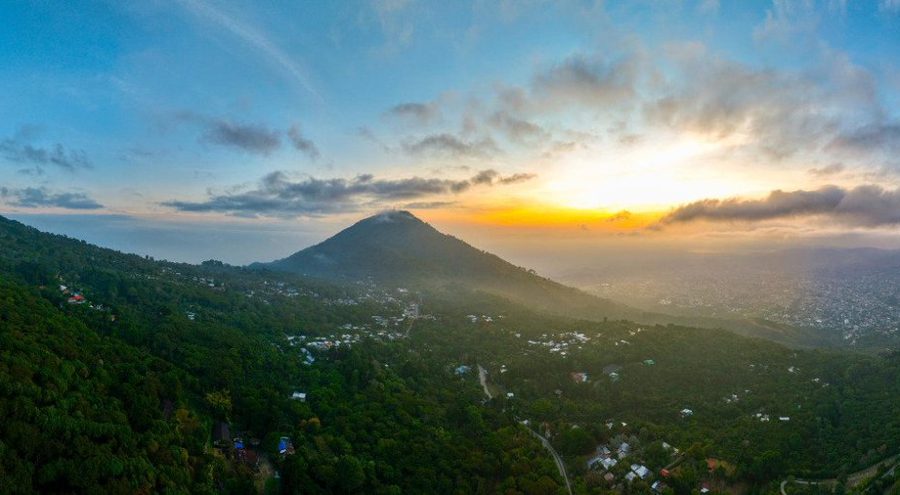
Located on the San Salvador Volcano, El Boquerón National Park is one of the country’s most accessible natural attractions.
Its main feature is an enormous volcanic crater surrounded by lush vegetation. On clear days, visitors can admire the crater’s impressive dimensions and the smaller volcanic formation inside it.
El Boquerón has short walking trails and viewpoints where visitors can enjoy the volcanic landscape without taking on a challenging hike.
El Boquerón National Park is also close to San Salvador, making it a great spot for a morning outing or a relaxing day trip.
2. El Imposible National Park
El Imposible National Park is one of El Salvador’s most important conservation areas. Located in the department of Ahuachapán, it protects a substantial area of tropical forest.
El Imposible features rugged landscapes, diverse vegetation, and plenty of wildlife. Its forests are home to many species of birds, mammals, reptiles, and other animals.
If you enjoy hiking or birdwatching, El Imposible is a great place to explore. However, some trails can be challenging, so you may need to plan ahead and arrange for an authorized guide.
Unlike smaller recreational destinations, El Imposible rewards travelers who want to explore a more remote and ecologically significant landscape.
3. Montecristo National Park
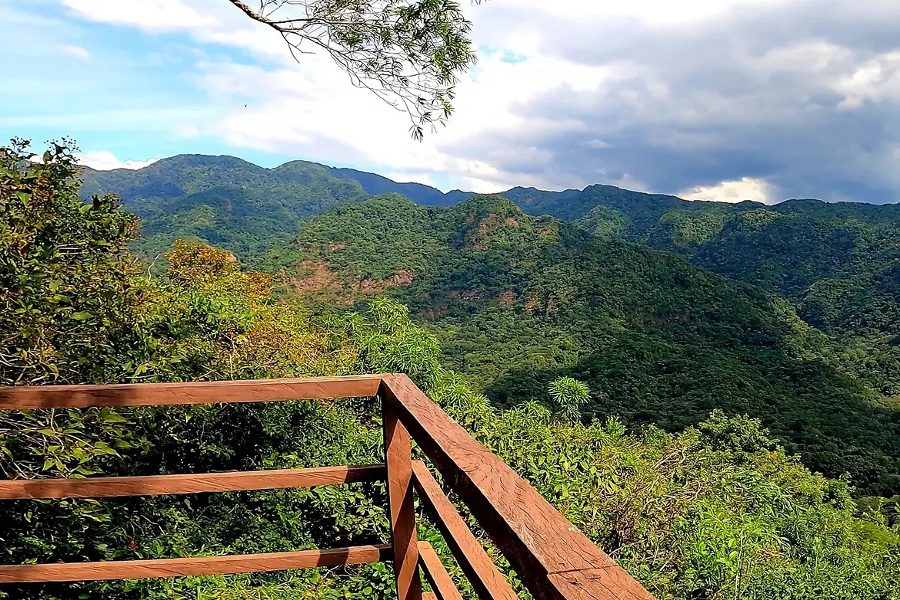
Located in the department of Santa Ana, Montecristo National Park protects one of the country’s most distinctive mountain environments.
Its cloud forest features towering trees, moss-covered branches, ferns, and vegetation that thrives in cool, humid conditions.
The park forms part of the Montecristo-Trifinio region, near the borders of El Salvador, Guatemala, and Honduras. Its ecosystems play an important role in regional biodiversity and water conservation.
Many visitors come for the mountain scenery and forest trails. Because access to certain areas is controlled, travelers should confirm permits, routes, and guide requirements before visiting.

4. Cerro Verde National Park
Cerro Verde National Park is among the country’s best-known nature destinations, particularly because of its spectacular volcanic surroundings.
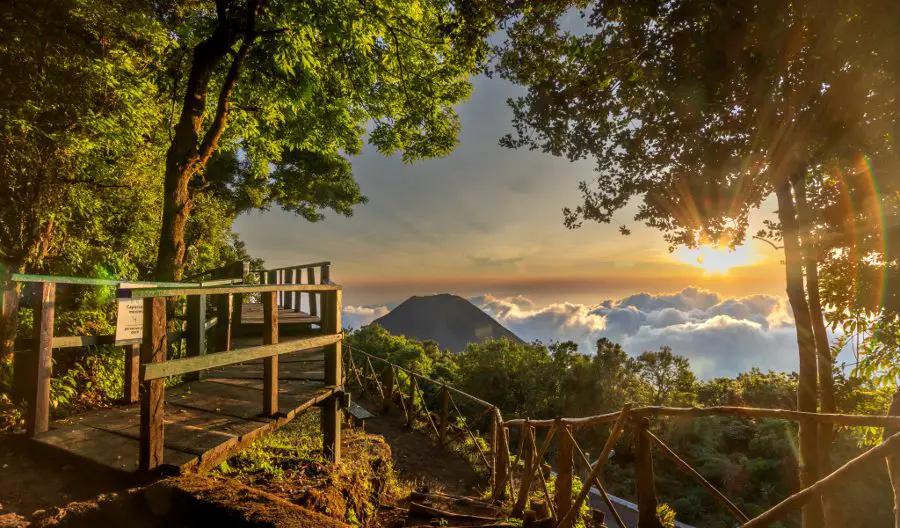
Located in western El Salvador, the park offers impressive views of Izalco Volcano and Santa Ana Volcano, also known as Ilamatepec.
Visitors can walk along forest trails, enjoy the cool mountain weather, and take in beautiful views of the surrounding volcanoes from designated viewpoints.
Cerro Verde is also a popular starting point for guided hikes to Santa Ana Volcano. With its scenic views, walking trails, and visitor facilities, the park attracts families, nature lovers, and outdoor enthusiasts.
5. Walter Thilo Deininger Natural Park
Surf City’s Walter Thilo Deininger Natural Park offers a different environment from the country’s mountain forests.
Situated in the coastal department of La Libertad, this protected area features tropical dry forest, seasonal streams, and vegetation adapted to warmer conditions.
Its ecosystems provide habitat for birds, reptiles, and small mammals. The landscape also changes noticeably between the rainy and dry seasons.
Visitors can enjoy nature walks and environmental exploration through authorized routes. It’s an appealing option for travelers interested in discovering the ecological diversity of El Salvador’s Pacific lowlands.
6. Los Volcanes National Park
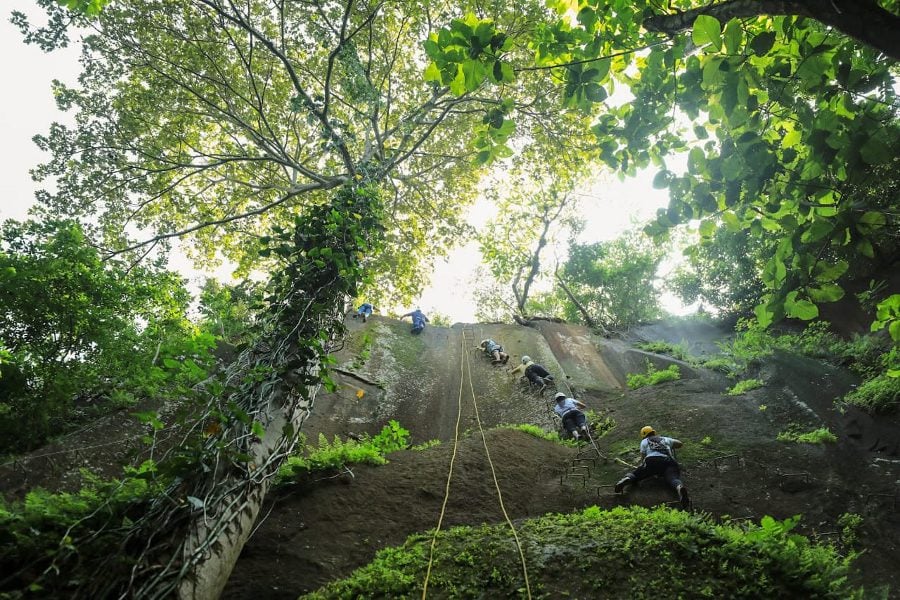
Los Volcanes National Park encompasses a remarkable volcanic landscape in western El Salvador.
The area includes the Santa Ana, Izalco, and Cerro Verde volcanic formations, offering opportunities to experience several different volcanic environments within a relatively small region.
Los Volcanes National Park and Cerro Verde offer closely connected experiences rather than completely separate attractions. If you’re planning a visit, check the different access points, hiking trails, and requirements before heading out.

7. Bahía de Jiquilisco Protected Natural Area
The Bahía de Jiquilisco offers a coastal alternative to El Salvador’s mountain and volcanic parks.
Located in the department of Usulután, this extensive wetland ecosystem includes mangrove forests, estuaries, islands, and coastal waterways.
The bay provides important habitat for migratory birds, marine species, and threatened wildlife, including sea turtles.
Although it isn’t a national park, the protected area deserves attention for its ecological significance. Guided boat excursions and community-based tourism activities allow visitors to experience parts of the ecosystem responsibly.

Other Natural and Recreational Parks Worth Exploring
Beyond the country’s major protected areas, several smaller parks provide convenient opportunities to enjoy nature without demanding hikes or complicated travel arrangements.
Balboa Natural Park
Located in Los Planes de Renderos, Balboa Natural Park combines wooded surroundings with recreational facilities, picnic areas, walking paths, and cultural attractions.
Its location near San Salvador makes it particularly popular for family outings. Visitors can spend time outdoors, enjoy traditional Salvadoran food, and explore the surrounding highlands.
Puerta del Diablo Natural Park
Puerta del Diablo is known for its dramatic rock formations and panoramic views of the surrounding landscape.
Located near Los Planes de Renderos, this destination attracts visitors interested in photography, sightseeing, and spending a few hours enjoying the mountain scenery.
San Diego and San Felipe Las Barras National Park
Located near Metapán in Santa Ana, this protected area preserves tropical dry forest, an ecosystem that looks noticeably different throughout the year.
You can explore the natural surroundings, see how plants survive the dry season, and discover why protecting dry forests matters.
Bicentenario Park
Bicentenario Park offers a peaceful escape from the busy streets of San Salvador. This protected natural area features forest trails, cycling paths, and green spaces where visitors can relax, exercise, and enjoy the outdoors.
The park sits between San Salvador and Antiguo Cuscatlán and attracts families, cyclists, and nature lovers. You can walk along wooded trails, spot local wildlife, or simply relax under the trees and enjoy the fresh air.
The park also plays an important role in protecting one of the remaining forested areas within the San Salvador metropolitan region.
Its combination of nature conservation and outdoor recreation makes Bicentenario Park a great destination for anyone looking to experience nature without traveling far from the capital.
El Espino Eco-park
El Espino Eco-park offers a refreshing escape into nature just outside San Salvador. Located on the slopes of San Salvador Volcano, this ecological park features forest trails, scenic viewpoints, and plenty of outdoor activities.
You can hike through wooded trails, ride mountain bikes, or simply relax and enjoy the surroundings. The park’s greenery and cooler weather attract families, outdoor enthusiasts, and anyone looking to spend time in nature.
El Espino Eco-park also helps protect important green spaces near San Salvador.
Things to Do in El Salvador Natural Parks
Hiking ranks among the most popular activities, with trails leading through forests, volcanic slopes, and mountain landscapes. Many visitors also enjoy birdwatching, wildlife observation, nature photography, and guided walks.
For those looking for more adventure, some parks offer mountain biking, volcano climbing, and camping. Others feature picnic areas, scenic viewpoints, and quiet spaces where families can spend time outdoors.
You can also explore waterfalls, discover native plants, or learn about conservation and local ecosystems. Activities vary by park, so check what’s available before planning your visit.
Best Time to Visit Natural Parks in El Salvador
El Salvador has two main seasons, and both offer different experiences.
The dry season, generally from November through April, provides more predictable conditions for hiking, sightseeing, and exploring volcanic landscapes. Trails are often easier to navigate during this period.
The rainy season, usually from May through October, transforms many forests into lush green environments. Waterfalls and streams become more prominent, although heavy rainfall can make some trails slippery.
Mountain parks such as Montecristo and Cerro Verde can experience cool temperatures, fog, and changing weather conditions throughout the year.
For most destinations, mornings offer a good opportunity to enjoy cooler temperatures and clearer views before afternoon clouds or rain develop.
Tips for Visiting El Salvador’s Natural Parks
A little preparation can make a significant difference, especially when exploring remote forests or volcanic terrain.
- Check access requirements: Some protected areas require advance reservations, permits, or authorized guides.
- Wear appropriate footwear: Hiking shoes with good traction are useful on rocky, muddy, or uneven trails.
- Carry drinking water: Not every park has stores, restaurants, or reliable drinking-water facilities.
- Respect wildlife: Observe animals from a distance and avoid feeding or disturbing them.
- Stay on designated trails: Established routes help protect fragile ecosystems and reduce the risk of getting lost.
- Prepare for changing weather: Mountain conditions can shift quickly, even during the dry season.
- Take your trash with you: Keeping natural areas clean helps protect wildlife and preserve the experience for future visitors.
Before traveling, consult the Ministry of Environment’s protected-area visitor information or the ISTU park information for applicable requirements, schedules, and visitor services.
Why El Salvador’s Natural Parks Matter
Why El Salvador’s Natural Parks Matter
El Salvador may be small, but its natural parks protect an amazing mix of landscapes, plants, and wildlife. These places offer more than beautiful views and outdoor adventures. They help keep nature alive.
From volcanic forests to coastal wetlands, these natural areas protect native plants, give wildlife a safe home, and help preserve water sources. They also let visitors explore some of the country’s most beautiful landscapes.
Exploring these parks also creates opportunities to discover nearby communities and experience local traditions. You can combine outdoor adventures with visits to small towns in El Salvador, where they can enjoy traditional food and local culture.
Whether you’re hiking through a forest, spotting wildlife, or taking in mountain views, you can help protect these places by respecting nature. That way, future generations can enjoy them too.