
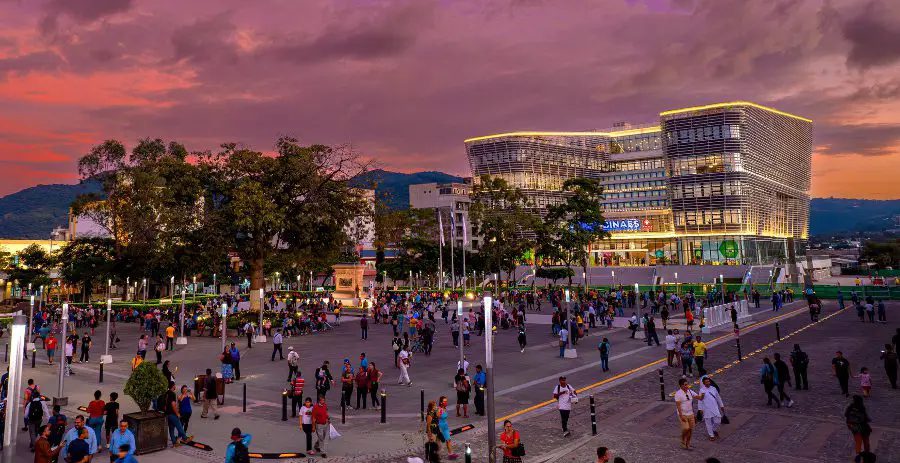
 National Library in San Salvador Downtown.
Moving to El Salvador offers an opportunity to experience a different lifestyle in a country known for its tropical climate, welcoming communities, and landscapes that stretch from volcanic mountains to Pacific beaches.
Some people move back to El Salvador to reconnect with their roots. Others come to retire, start a business, be closer to family, or just enjoy daily life in a smaller Central American country.
Before you move, it helps to learn about housing, healthcare, residency rules, and the cost of living in El Salvador. Getting a sense of daily life there can make your transition smoother.
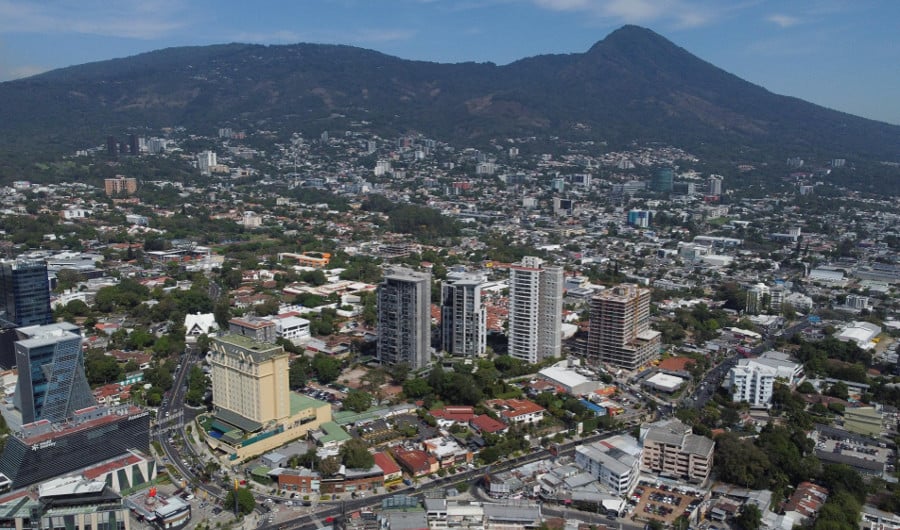
Is Moving to El Salvador Right for You?
Relocating to another country involves more than changing your address. You’ll need to consider your finances, personal expectations, family responsibilities, and willingness to adapt to a different environment.
In El Salvador, you can choose from city neighborhoods, beach towns, mountain villages, or countryside areas. Each place has its own lifestyle, services, and benefits.
Before you decide to move for good, try living in different areas of the country for a while. Staying temporarily can help you notice everyday things that vacations might miss.
Why People Choose to Move to El Salvador
People relocate to El Salvador for different reasons. Some want to reconnect with family, while others appreciate the warm climate, relatively short travel distances, and opportunities to experience Salvadoran culture.
Many newcomers from other countries like that El Salvador is small. No matter where they live, they can visit beaches, mountains, historic towns, and city attractions without traveling far.
Advantages of Living in El Salvador
One advantage of living in El Salvador is having access to different environments within a relatively small country. Residents can choose between busy cities, quieter towns, and coastal communities.
The country also offers a strong sense of family and community. Local markets, neighborhood businesses, traditional celebrations, and shared meals remain important parts of everyday Salvadoran life.
Another great thing is that you can explore the country all year round. The tropical climate is good for outdoor activities, but keep in mind that rain and temperatures change with the seasons and altitude.
Challenges to Consider Before Relocating
Moving to El Salvador comes with a few challenges. Heavy traffic in San Salvador and other busy urban areas can turn short trips into long commutes, especially during rush hour.
Public services might not work the same way as they do in your home country. Things like healthcare, transportation, and government offices can be different depending on where you live, so it may take a while to get used to how things work.
If you don’t speak Spanish, everyday tasks can become frustrating, and communicating with neighbors might be difficult—developing basic language skills is essential.
Utilities and services vary depending on where you live in El Salvador. In some communities, water or power can go out. In others, internet service can be spotty, and modern facilities may be farther away.
Who Is Moving to El Salvador?
In recent years, El Salvador has attracted people with different backgrounds and reasons for relocating. Some come for professional opportunities, while others seek a lifestyle change or closer family connections.
Many foreign professionals come to El Salvador for jobs, especially in business and specialized fields. Entrepreneurs and investors also look for chances to start companies, grow their businesses, or invest in local projects.
Retirees are another group thinking about moving. Some enjoy the warm weather, coastal towns, and a quieter way of life. Others have personal or family ties to El Salvador.
Many Salvadorans are moving back home after years in the United States or elsewhere. Some want to spend more time with family, while others come back to retire or start a business.
These newcomers have different expectations and financial situations. Their experiences often depend on their jobs, family support, housing, and how well they adjust to daily life in El Salvador.
Visas and Residency Requirements in El Salvador
In El Salvador, a visa lets eligible foreigners enter the country. Residency permits allow them to live there if they meet certain immigration requirements.
The requirements depend on your nationality, the reason for your stay, and the type of residency you want.
Before you move, it’s a good idea to talk to an immigration lawyer or contact Salvadoran immigration authorities to learn about the latest procedures, fees, and documents you’ll need.
Temporary and Permanent Residency
Temporary and permanent residency in El Salvador each come with their own benefits and conditions. With temporary residency, eligible foreigners can live in the country for a set time and must renew their status to stay longer.
Permanent residency gives you a more stable immigration status. It can mean fewer renewals and more flexibility for your long-term plans.
Before applying, make sure you understand the differences and verify current requirements with Salvadoran immigration authorities before submitting documents or making relocation plans.
Where to Live in El Salvador
Choosing where to live is one of the most important decisions you’ll make. El Salvador offers different lifestyles, from busy metropolitan areas to quiet coastal and mountain communities.
Think about what you and your family need day to day when choosing a neighborhood. If you commute to an office, check how long it takes to get there. If you’re retired, you might care more about having a clinic nearby and being able to get around easily.
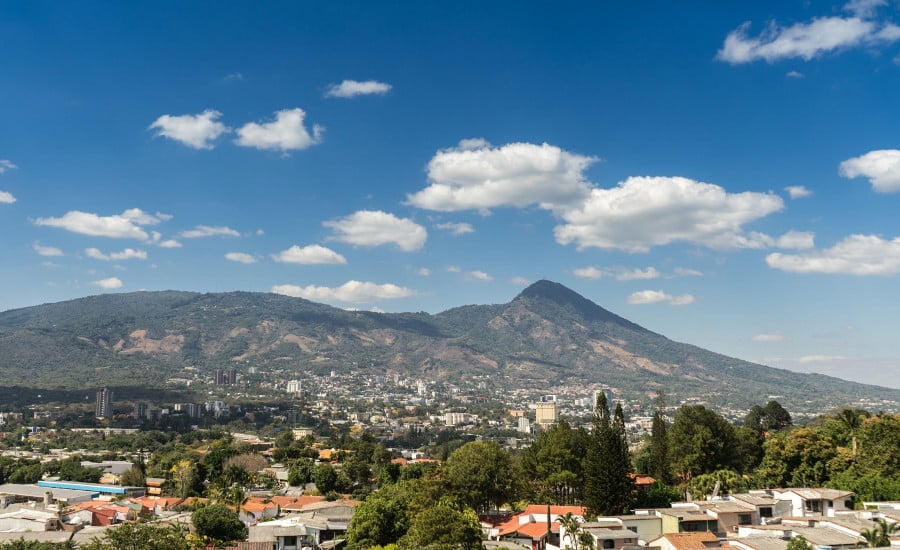
Living in San Salvador and Surrounding Areas
San Salvador and its surrounding metropolitan communities provide access to many of the country’s major businesses, shopping centers, private hospitals, universities, and government offices.
Neighborhoods vary a lot in housing costs, traffic, and amenities. Some people like living in central areas, while others prefer the quieter, more residential suburbs.
Traffic is an important factor to consider. Even short trips can take a long time during rush hour, so living close to work, schools, and essential services can make daily life easier.
Living in Santa Ana and Other Cities
Santa Ana offers an alternative to the San Salvador metropolitan area. The city has commercial districts, educational institutions, healthcare services, and established residential neighborhoods.
Cities like San Miguel and Sonsonate provide different opportunities based on jobs, family ties, and the kind of environment you prefer. Each city has its own businesses and unique local feel.
If you are thinking about moving to one of these cities, consider the neighborhoods, transportation options, healthcare, and housing. Visiting in person can help you see if the lifestyle there fits what you want.
Coastal Towns and Beach Communities
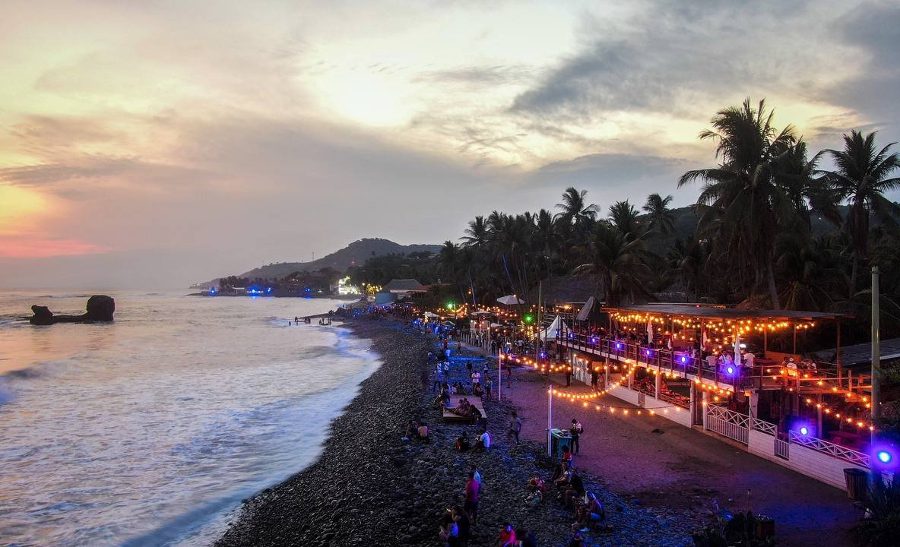
El Salvador’s Pacific coast is popular with people who like warm weather, ocean views, and spending time outdoors. Some coastal communities are busy tourist spots, while others are quieter fishing towns.
The areas near La Libertad have beaches, restaurants, and businesses for tourists. Still, things like housing, transportation, and daily services can vary a lot from one community to another.
If you live near the ocean, you need to plan for things like heat, humidity, salt in the air, rainy seasons, and how close you are to healthcare. These factors can affect how you take care of your home and your daily comfort.
Small Towns and Rural Areas
Living in small towns and rural areas is different from life in big cities. People often enjoy quieter surroundings, local markets, open farmland, and closer relationships with their neighbors.
But in these areas, it can be harder to find specialized healthcare, jobs, public transportation, or reliable internet. In some places, people need to travel to bigger towns to get important services.
If you like a slower pace of life, living in the country might be a good fit. However, you should check things like road conditions, water supply, utilities, and transportation before picking a place to live.

Choosing the Right Location for Your Lifestyle
Begin by figuring out your priorities. Think about whether you need hospitals, international schools, job options, reliable internet, public transportation, or easy access to family.
Spend time exploring neighborhoods at different times of day. A quiet street in the afternoon might be busy with traffic or activity later on.
Researching different cities and communities in El Salvador can help you compare places before choosing your new home.
Finding Housing in El Salvador
Finding the right place to live takes time and some local research. You’ll find options like rental properties, apartments, family homes, and residential developments, each offering different levels of comfort, convenience, and price.
Renting is usually a good first step. It lets you get to know a neighborhood before making a long-term financial decision or buying a home.
If you want to buy a home, you’ll need to prepare more. Make sure to check ownership records, property boundaries, legal restrictions, any debts on the property, and other important details before signing anything.
Foreigners looking to buy should talk to a qualified lawyer about ownership regulations. You’ll need to meet El Salvador’s immigration requirements separately if you plan to stay.
Before you sign a lease, walk through the property and check its condition, water supply, wiring, ventilation, internet access, and security. Ask who takes care of maintenance and pays for repairs.
Healthcare and Medical Services
Healthcare access is an important consideration for anyone relocating, especially retirees, families with children, and people who require ongoing medical treatment or specialized services.
In El Salvador, you’ll find both public and private healthcare providers. Things like access, costs, wait times, and available treatments can vary depending on where you go and your eligibility.
Public healthcare is available to eligible patients through government-supported institutions. Private hospitals and clinics usually charge for consultations, procedures, and other services.
Health insurance can help cover some medical costs, but coverage isn’t always what you’re used to. Make sure you understand how your policy works in the country, what it covers, how you can use it, and where you can use it.
Big cities usually have more specialized medical facilities than smaller towns. If you live outside a metro area, you might need to travel for some exams, treatments, or specialist appointments.
You’ll find pharmacies in most cities and towns, but not all medications are always available. If you need regular prescriptions, check what’s available locally and talk to your healthcare provider about your options.

Moving to El Salvador: Preparing for Your New Life
Moving to El Salvador can open the door to new experiences, family connections, and a different way of life. Still, a successful relocation depends on realistic expectations and careful preparation.
Before you move to El Salvador, spend time in a few neighborhoods and compare what matters most to you and your family. Also, find out which immigration rules apply to you. Once the excitement of moving wears off, those details can make a big difference in how settled you feel.
It often takes time for newcomers to adjust. Learning Spanish, making friends locally, getting to know cultural customs, and learning daily routines can help make the transition smoother.
Before making your final decision, explore the realities of everyday living in El Salvador to better understand the country’s communities, services, lifestyle, and practical challenges.
A thoughtful approach can help turn relocation plans into a sustainable new beginning. El Salvador offers plenty to discover, but choosing the right location and preparing properly matters most.

