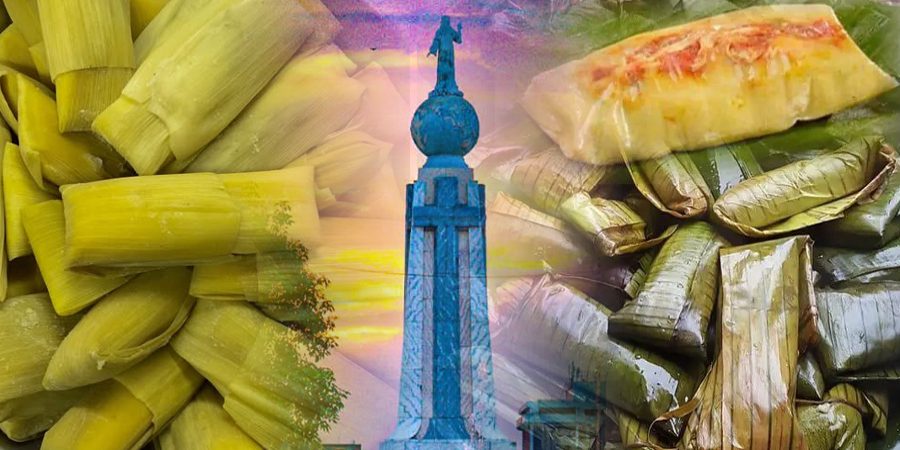
El Salvador tamales are a beloved staple food among Salvadorans. They are made from corn masa, wrapped in banana leaves, and filled with meats, beans, or vegetables.
This tasty Salvadoran food is a staple during holidays, special events, and all types of celebrations. Chicken tamales, in particular, are commonly served at special occasions, including funerals.
Whether enjoyed at home or in gatherings, tamales are a symbol of nourishment and tradition, reflecting the essence of El Salvador’s cuisine and its lasting cultural significance.
Types of Salvadoran Tamales
Salvadoran cuisine offers a delicious variety of tamales, from savory tamales de Pollo and tamales Pisques to the sweeter tamales de Elote and tamales de Azúcar, each reflecting tradition and flavor.
Chicken Tamales (Tamales de Pollo)
Chicken tamales, or tamales de pollo, are the most common variety in El Salvador, featuring tender chicken mixed with potatoes, green beans, and a savory tomato-based sauce.
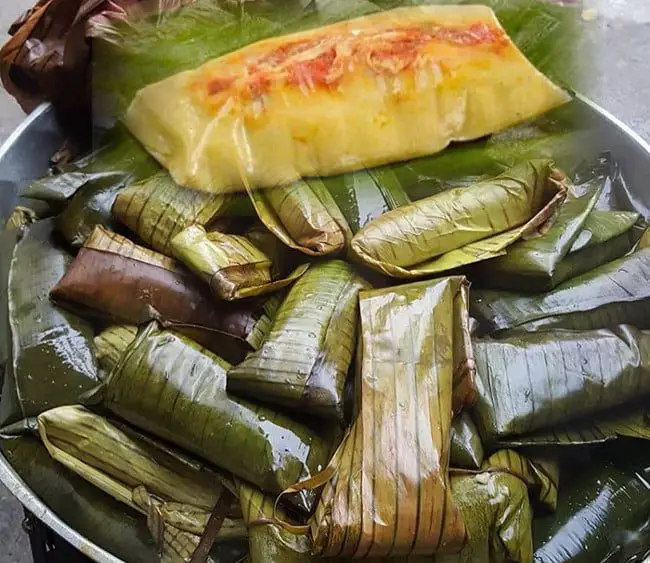
Wrapped in banana leaves, these tamales are steamed until the masa becomes soft and flavorful, allowing the rich filling to blend perfectly with the corn dough.
Families often prepare chicken tamales for holidays and gatherings, making them a comforting dish that represents tradition, celebration, and the heart of Salvadoran cuisine.
Corn Tamales (Tamales de Elote)
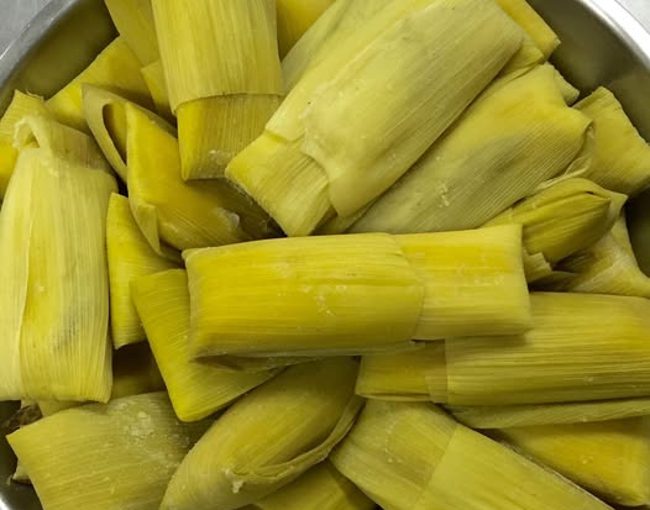
Fresh corn tamales, or tamales de elote, are made from ground sweet corn kernels, resulting in a soft, slightly sweet flavor that’s unique to Salvadoran cuisine.
These seasonal tamales are wrapped in fresh corn husks, sometimes filled with cheese or cream, and traditionally enjoyed with Salvadoran sour cream.
These tamales are seasonal and are typically available during the early corn harvest season. They are commonly sold on the street, especially in small towns, by local vendors who wander neighborhoods selling their products.
Tamales Pisques
Tamales pisques are stuffed with refried beans, providing a filling and straightforward option that is both flavorful and satisfying, particularly for everyday meals in El Salvador.
These tamales are especially popular in rural areas and small towns, where they remain affordable and easy to prepare.
Although plainer than chicken or sweet tamales, tamales pisques hold cultural value as a modest and nourishing food.
Sugar Tamales (Tamales de Azucar)
Sugar tamales, also known as tamales de azúcar, are a sweet variety of tamal made with corn masa that has been mixed with sugar. Unlike savory tamales, these don’t include meat or vegetables, but stand out for their light, sweet flavor.
They are usually wrapped in banana leaves and steamed. They may include a touch of cinnamon, raisins, or other sweet ingredients, depending on family tradition.
Often served as a snack or during special occasions, they are paired with coffee or hot chocolate. They are part of Salvadoran culinary tradition at celebrations and family gatherings.
What Makes Salvadoran Tamales Unique
Salvadoran tamales stand out from Mexican versions due to their softer texture, created by moist masa and steaming in fragrant banana leaves instead of corn husks.
The use of locally grown corn, lard, and traditional seasonings gives Salvadoran tamales a distinctive taste, rooted in regional agriculture and centuries-old cooking practices.
Banana leaves not only hold the tamales together but also infuse them with a subtle aroma and earthy flavor that define authentic Salvadoran tamales.
These qualities make Salvadoran tamales unique—less dense, richly flavored, and deeply connected to the cultural and culinary identity of the country’s cuisine.
El Salvador Tamales
Salvadoran Tamales are more than food in El Salvador—they represent tradition, family, and cultural pride. Their preparation and sharing embody continuity, passed down through generations and cherished at every gathering.
They are staples at holidays, community events, and even somber occasions, reinforcing their role as symbols of unity, comfort, and the resilience of Salvadoran identity.
Beyond homes, tamales thrive as traditional street food, readily found in markets and widely enjoyed at gastronomic festivals that celebrate Salvadoran flavors and culinary heritage.