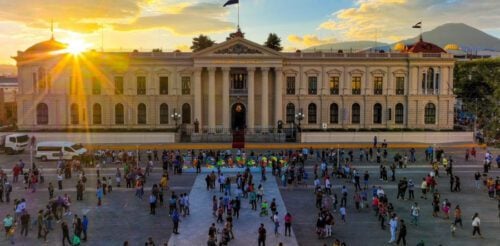
 El Salvador Mega-Prison.
The El Salvador incarceration rate remains the highest in the world in 2026, with 1,659 prisoners per 100,000 residents, according to international prison statistics.
The country’s large prison population is the result of years of tough anti-gang efforts. These policies have changed El Salvador’s security situation and brought big changes to communities that used to struggle with gang violence.
However, the numbers also raise questions about prison overcrowding, judicial procedures, and human rights. Comparing El Salvador with Central America and other countries helps explain the scale of its incarceration policies.
El Salvador’s Incarceration Rate in 2026
According to the World Prison Brief’s international rankings, El Salvador has 1,659 prisoners per 100,000 inhabitants, more than double the rate reported for Cuba, the second-highest country.
The database shows about 109,519 people are in Salvadoran prisons. This means around 1.66% of the population is incarcerated, or one out of every 60 residents.
These figures require some context. Although they appear in international rankings available in 2026, El Salvador’s underlying prison population estimate dates to March 2024, not a new 2026 census.
The incarceration rate counts both convicted prisoners and those waiting for trial. This is important because not everyone in prison has been found guilty of a crime.
Why El Salvador Has the Highest Incarceration Rate
El Salvador’s prison population grew rapidly after President Nayib Bukele’s government declared a state of exception in March 2022, following a deadly increase in gang violence.
Authorities carried out large-scale operations against suspected gang members, especially those linked to MS-13 and Barrio 18. Thousands of arrests quickly changed the country’s prison population and security situation.
The government says its actions have weakened criminal groups and improved public safety. Many Salvadorans have noticed big changes in neighborhoods that used to be affected by extortion and gang control.
However, the Human Rights Watch 2026 report raises concerns about arbitrary arrests, long detentions, and limited legal protections, even as gang violence in the country has dropped sharply.
How El Salvador Compares With Central American Countries
El Salvador stands far above its Central American neighbors in incarceration rates. Even Panama, the region’s next-highest country, imprisons a considerably smaller share of its population.
The following table uses the latest available figures reported by the World Prison Brief and related international datasets. These figures come from different years, so they aren’t simultaneous 2026 measurements.
| Central American Country | Prisoners per 100,000 Residents |
|---|---|
| El Salvador | 1,659 |
| Panama | 533 |
| Costa Rica | 368 |
| Nicaragua | 332 |
| Belize | 296 |
| Honduras | 188 |
| Guatemala | 123 |
El Salvador’s incarceration rate is about three times higher than Panama’s, almost five times higher than Costa Rica’s, and over thirteen times higher than Guatemala’s. None of its neighbors come close to this level.
These differences are due to each country’s unique justice policies, policing, detention systems, and reporting times. Having a higher incarceration rate by itself does not prove that a country’s security strategy is more effective.
How El Salvador Compares With Countries Worldwide
El Salvador also leads the global rankings by a substantial margin. Countries traditionally associated with high incarceration levels, including the United States, report considerably lower rates.
The following comparison uses the 2026 prison population dataset from Our World in Data, which incorporates the latest available observations from different reporting years.
| Country | Prisoners per 100,000 Residents |
|---|---|
| El Salvador | 1,659 |
| Cuba | 794 |
| Rwanda | 620 |
| Turkmenistan | 576 |
| United States | 542 |
| Panama | 533 |
| Tonga | 516 |
| Turkey | 468 |
| Uruguay | 449 |
| Brazil | 416 |
El Salvador’s incarceration rate is more than three times that of the United States. It also exceeds Cuba’s rate by more than double, highlighting its unusual position internationally.
However, the total number of prisoners tells a different story. The United States has many more people in prison overall, but El Salvador leads when the numbers are adjusted for population size.
The Impact of Mass Incarceration on Salvadoran Society
Mass incarceration has changed Salvadoran society. Families, communities, and public institutions are still adapting to the effects of security policies that focus on arrests and long-term detention.
Prison overcrowding is also a problem. The World Prison Brief says prisons are about 162.8% full compared to their official capacity, but these numbers may not show the full reality.
At the same time, Amnesty International’s 2026 investigation reports claims of arbitrary detention, mistreatment, and due process violations. These issues raise concerns about accountability in the criminal justice system.
What El Salvador Incarceration Rate Means for the Future
El Salvador’s global ranking illustrates the scale of its security transformation. The country has achieved major reductions in gang violence while maintaining an exceptionally large prison population.
If you live in El Salvador or are thinking about moving there, knowing about these changes helps you understand what daily life is like. This includes things like safety, community life, and social conditions.
In the future, the main challenge will be keeping the country safe while also protecting legal rights and handling the number of people in prison. The choices made now will affect El Salvador’s justice system for a long time.