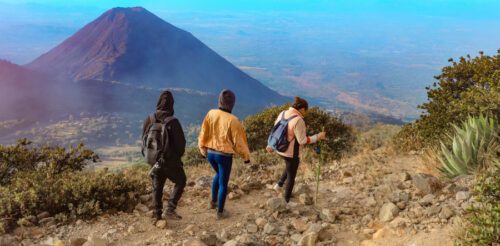
El Boqueron National Park offers a refreshing escape from the busy streets of San Salvador, with cool mountain air, lush forests, and breathtaking views of a massive volcanic crater.
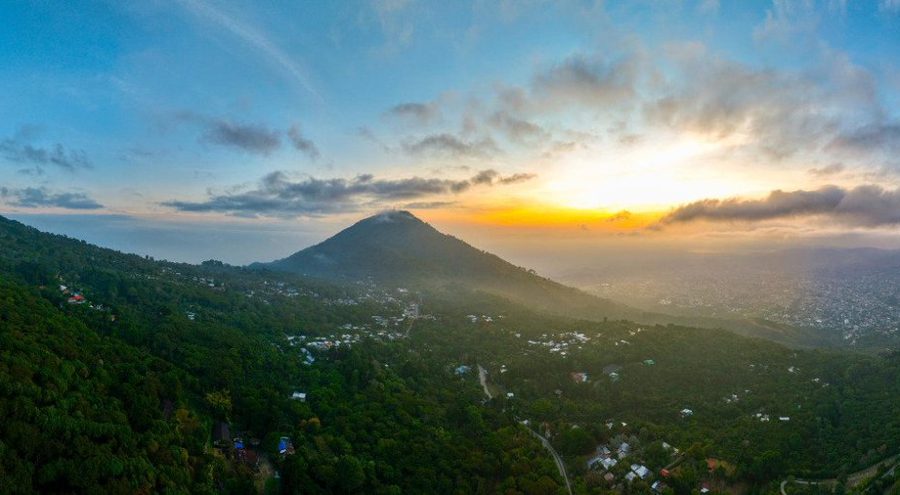
Located atop the San Salvador Volcano, just 23 kilometers from the capital’s historic center, the Park is one of the metropolitan area’s most popular natural attractions.
You can walk along scenic trails, take in stunning views, and get an up-close look at the impressive volcanic crater. Whether you’re looking for adventure, relaxation, or time outdoors, El Boquerón offers a great escape into nature.
- Discover El Boquerón National Park
- The San Salvador Volcano and Its Famous Crater
- El Boqueroncito: The Crater Within a Crater
- Things to Do at El Boquerón National Park
- Hiking and Walking Trails at El Boquerón
- Hiking Down to El Boqueroncito
- How to Get to El Boquerón National Park
- Planning Your Visit to El Boquerón
- Restaurants and Attractions Near El Boquerón
- Travel Tips for Visiting El Boquerón
- Frequently Asked Questions
- Why El Boquerón National Park Is Worth Visiting

Discover El Boquerón National Park
El Boquerón National Park sits near the summit of the San Salvador Volcano, one of El Salvador’s most recognizable natural landmarks. The protected area offers visitors an opportunity to explore the country’s volcanic landscape.
At around 1,950 meters above sea level, El Boquerón National Park offers cooler temperatures than San Salvador. Its peaceful mountain setting attracts families, nature lovers, photographers, and travelers looking for a relaxing outdoor adventure.
You don’t need to tackle a difficult hike to enjoy the Park’s stunning scenery. Just follow the designated trails, take in the impressive views of the massive volcanic crater, and enjoy the fresh mountain air.
El Boquerón National Park sits in the mountainous region between San Salvador and La Libertad departments. Just a short drive from the capital, it’s an easy and popular destination for a day trip.
The Park is accessible from the Santa Tecla area through a winding mountain road. Along the way, visitors encounter scenic overlooks, restaurants, coffee shops, and views of the surrounding valleys.
What Makes El Boquerón Special?
The Park’s main attraction is its massive volcanic crater, which stretches about 1.5 kilometers across and drops more than 500 meters deep. The crater walls make for some incredible views.
But there’s more to see inside the crater. Look closely, and you’ll spot El Boqueroncito, a smaller volcanic cone sitting right in the middle. It’s a fascinating reminder of the powerful volcanic activity that shaped the mountain over time.

The San Salvador Volcano and Its Famous Crater
The San Salvador Volcano has played an important role in the region’s geological history. Its eruptions, collapses, and lava flows have shaped the surrounding landscape over thousands of years.
The volcanic complex features several well-known formations, including El Boquerón and El Picacho. People sometimes mix up these names, but El Boquerón refers specifically to the massive crater and the area around its summit.
One of the volcano’s most significant historical events occurred in June 1917, when an eruption accompanied by earthquakes affected San Salvador and nearby communities.
The eruption produced lava flows and explosive activity that changed the volcano’s appearance. Before that event, a lagoon occupied the crater floor, but volcanic activity caused its waters to disappear.
El Boqueroncito: The Crater Within a Crater
The 1917 eruption created El Boqueroncito when volcanic ash and rock piled up inside the main crater. This small volcanic cone stands about 30–37 meters tall, and visitors can easily spot it from viewpoints along the crater rim.
From above, El Boqueroncito looks like a miniature volcano surrounded by massive crater walls that rise about 550 meters. The striking difference in size makes it one of the Park’s most interesting sights.
The viewpoints also give visitors a chance to see how different eruptions shaped the volcano over time.
If you’re looking for more adventure, you can hike down into the main crater and camp near El Boqueroncito, but you’ll need proper preparation and authorization.

Things to Do at El Boquerón National Park
El Boquerón has much more to offer than its impressive crater. You can walk along nature trails, take in beautiful views, snap photos of the volcanic landscape, and discover the plants that grow in the cool mountain climate.
Walk the Park’s Nature Trails
The Park has marked walking trails surrounded by trees, shrubs, and mountain vegetation. These paths provide an opportunity to experience nature without committing to a demanding mountain trek.
The walk toward the crater viewpoints generally takes around 20 to 25 minutes. Visitors can enjoy the changing scenery, take photographs, and stop along the way to appreciate the surroundings.

Enjoy Panoramic Views of the Volcanic Crater
The Park has three viewpoints where you can enjoy different views of the massive crater. From each spot, you can admire its steep walls, green slopes, and the smaller volcanic cone at the bottom.
Clear days offer the best views, but clouds and fog often roll across the mountain. They can create beautiful scenery, although sometimes they hide parts of the crater.
Discover the Park’s Plants and Wildlife
The cooler mountain climate supports vegetation that differs from what visitors commonly encounter in the warmer lowlands. Pines, cypresses, flowering plants, and other species contribute to the Park’s natural beauty.
Birds and small animals also make their home in the surrounding trees and plants. You won’t always spot them, but if you walk quietly and look around, you might catch a glimpse of the local wildlife.
Photograph the Volcanic Landscape
El Boquerón is an appealing destination for landscape photography. Its crater, mountain vegetation, winding trails, and occasional cloud formations provide opportunities to capture distinctive images of El Salvador’s volcanic scenery.
Morning visits often provide better visibility before clouds develop around the summit. However, weather conditions vary, and even a cloudy day can reveal interesting contrasts across the crater walls.
Hiking and Walking Trails at El Boquerón
You don’t need to be an experienced hiker to explore El Boquerón. Just bring comfortable walking shoes and follow the marked trails to viewpoints where you can enjoy views of the volcanic crater.
Some sections include slopes, steps, and uneven surfaces. Visitors should take their time, particularly when traveling with young children, older adults, or anyone who finds uphill walking difficult.
More challenging excursions may exist elsewhere around the volcanic complex, but they shouldn’t be confused with the Park’s regular walking routes. Descending into the crater requires separate safety considerations and authorization.
Hiking Down to El Boqueroncito
Another option for thrill-seekers is the descent to El Boqueroncito, a demanding hike reserved for those who want a real challenge. This is not a casual walk—getting down and back up requires strength, balance, and a great deal of patience.
There are no marked trails or built-out routes, so hikers rely on ropes, footholds, and whatever the terrain offers. Expect dense vegetation, loose rock, and steep drops that test both nerves and endurance.
Some adventurers even set up camp inside the main crater near the smaller cone, spending the night surrounded by volcanic walls. It’s extreme, unconventional, and absolutely not for beginners.
Click here to see a short five-minute video by Juan Lievano showing their hike down to El Boqueroncito; the video is in Spanish, but you can have subtitles in English.


How to Get to El Boquerón National Park
You can easily reach El Boquerón from San Salvador by car. The drive takes you through city neighborhoods before heading up into the cooler, greener mountain landscape.
You can reach the Park by driving through Santa Tecla and Ciudad Merliot, then following the paved road toward the volcano. Road signs along the way will help guide you to the park entrance.
Travel time depends on where you start and how much traffic you encounter. The road winds through mountainous terrain, so take your time and watch out for sharp curves.
Public Transportation and Other Options
If you don’t have a car, you can take a taxi, use a rideshare service, or join an organized tour. Public buses also run through parts of the volcano area, but you may need to walk a bit to reach the park entrance.
Before leaving, confirm your transportation options for the return journey. Services can be less convenient in mountain areas than in central San Salvador, particularly later in the afternoon.
Planning Your Visit to El Boquerón National Park
Planning ahead can make your visit to El Boquerón National Park even better. Before heading up the mountain, check the weather, figure out how to get there, and learn what to expect from the walking trails and park facilities.
Opening Hours and Entrance Fees
The Salvadoran tourism authorities publish a regular schedule of 8:00 a.m. to 5:00 p.m., with admission listed at $1 for Salvadorans and $2 for international visitors.
Children and older adults may get in for free, but you might have to pay for parking. Before you go, check the official CORSATUR website for the latest entrance fees, opening hours, and visitor information.
Best Time of Year to Visit
You can visit El Boquerón any time of year, but the weather can make a big difference. The dry season usually brings clearer views and better conditions for walking the Park’s trails.
During the rainy season, the vegetation becomes especially green, but showers, slippery paths, and cloud cover can affect visibility. Morning visits are often preferable regardless of the season.
How Much Time Should You Spend at the Park?
Most visitors can explore the main walking trails and viewpoints in approximately one to two hours. Those who enjoy photography or prefer a relaxed pace may want additional time.
Combining the Park with lunch at a nearby restaurant can turn a short excursion into a pleasant half-day outing. Many visitors enjoy the mountain atmosphere as much as the crater itself.
What to Wear and Bring
Comfortable walking shoes are essential, particularly after rainfall. A light jacket is also useful because temperatures at the summit can feel considerably cooler than those in San Salvador.
Bring drinking water, sun protection, and a camera or smartphone. During the rainy season, a lightweight raincoat can help you stay comfortable when mountain weather changes unexpectedly.
Facilities and Visitor Services
The park offers walking trails, scenic viewpoints, an interpretive center, restrooms, and parking. These facilities make it easy to explore the area and enjoy a short, relaxing trip surrounded by nature.
El Boqueron Museum
If you want to know more about the park and the volcano, you can visit the small museum that is located at the entrance of the park.
At the museum, you will find photos, videos, and other information related to the history of the park and the volcano.
Restaurants and Attractions Near El Boquerón
The mountain road to El Boquerón has plenty of restaurants, cafés, and scenic viewpoints where you can stop along the way. Many places offer outdoor seating, so you can enjoy a good meal and the cool mountain air.
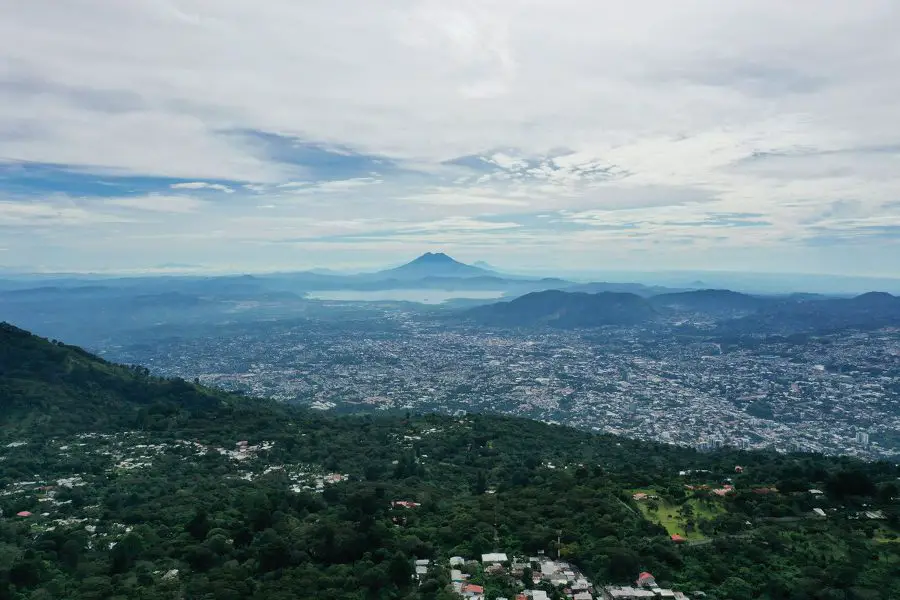
On clear days, some spots offer beautiful views of San Salvador, Lake Ilopango, and distant volcanoes. The area is perfect for a coffee break, a relaxed family lunch, or simply enjoying the scenery.
Keep in mind that these restaurants and roadside attractions sit outside El Boquerón National Park. Visiting both the park and the surrounding area gives you a chance to experience more of what the San Salvador Volcano has to offer.
Travel Tips for Visiting El Boquerón National Park
El Boquerón is an easy place to explore, but you should take a few basic precautions. Stick to marked trails, stay behind barriers near the crater, and keep out of restricted areas.
If you’re visiting with children, keep a close eye on them near viewpoints and steep paths. If you have trouble walking or limited mobility, check the trail conditions before heading out.
Help keep the park beautiful by picking up your trash, leaving plants and wildlife alone, and following park staff instructions. A little care goes a long way toward protecting this natural attraction.
Frequently Asked Questions About El Boquerón National Park
Is El Boquerón National Park Worth Visiting?
Yes. The Park offers an unusual opportunity to see an enormous volcanic crater without a strenuous hike. Its convenient location also makes it appealing for travelers with limited time.
How Far Is El Boquerón From San Salvador?
The Park is located in the mountains northwest of central San Salvador. Driving distance varies depending on the departure point and chosen route through the metropolitan area.
Can You Hike Down Into El Boquerón Crater?
Yes, you can hike down into El Boquerón crater. However, the standard tourist visit follows trails along the crater rim rather than descending inside. Anyone interested in descending should first check whether access is currently permitted.
Is El Boquerón Suitable for Children?
El Boquerón is a great place to visit with kids, but some trails have slopes and steps. Parents should keep an eye on their children and make sure everyone wears comfortable, sturdy shoes.
Do You Need a Guide to Visit El Boquerón?
A guide generally isn’t necessary for the established tourist trails and viewpoints. Visitors interested in specialized geological information or excursions beyond regular routes may benefit from professional guidance.

Why El Boquerón National Park Is Worth Visiting
El Boquerón National Park brings together volcanic history, mountain scenery, and outdoor recreation within easy reach of El Salvador’s capital. Few destinations offer such an impressive geological attraction with relatively little walking.
Whether you’re admiring the crater, exploring its trails, or enjoying coffee overlooking the surrounding mountains, El Boquerón provides a memorable introduction to the natural beauty of El Salvador.
El Boqueron National Park
El Boquerón National Park is one of the easiest ways to step out of the city and straight into wild, high-altitude nature. The park’s scenery alone—crater walls, cool air, and dense forest—makes it a standout ecotourism spot.
If you have time, continue up to El Picacho, the volcano’s highest point. The viewpoint delivers unmatched perspectives of the main crater and the smaller cone below.
Simply put, El Boquerón is among El Salvador’s most rewarding natural parks—close enough for a quick escape, yet remote enough to feel worlds away. Go, breathe the fresh air, and let the city noise fade.