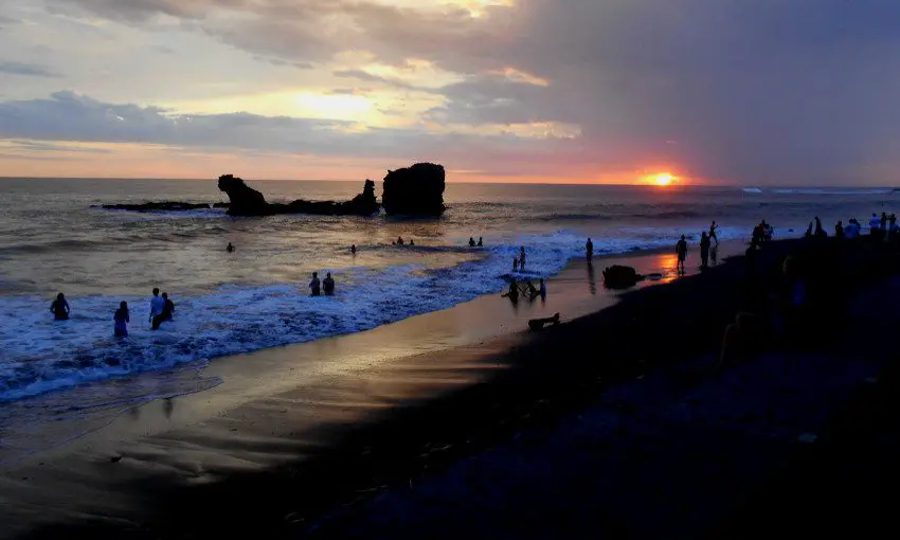
 El Tunco Beach in La Libertad.
El Salvador is on track to close 2025 with an unprecedented 4 million international visitors, a milestone that would mark the country’s strongest tourism performance in modern history.
According to the Ministry of Tourism (MITUR), more than 3 million foreign tourists had entered the country by early October, surpassing all previous records.
Officials project that the final tally could reach 4 million before year’s end—doubling the pre-pandemic average of around 2 million.
The remarkable growth underscores a shift in the country’s global image. Once overlooked by travelers, El Salvador has become one of Latin America’s fastest-emerging destinations, thanks to visa reforms, improved security, new air routes, and the global rise of surfing tourism.
Tourism Minister Morena Valdez said the increase reflects a deliberate government strategy. “We’ve improved connectivity, expanded infrastructure, and showcased the country’s natural beauty and cultural heritage,” she noted.
El Salvador welcomed approximately 3.9 million visitors in 2024, already a record. The latest projections suggest that 2025 will surpass that benchmark, supported by confirmed bookings for November and December.
The country’s Pacific coast remains its strongest draw. Surf City 1 and Surf City 2, along the La Libertad coastline, have become international hotspots for wave enthusiasts. During peak months, hotel occupancy rates in the area reach full capacity.
Surfing has transformed into a national tourism brand, but the sector’s growth extends far beyond the ocean. Hiking, ecotourism, and adventure travel have experienced significant growth in western regions, including the Flower Route, Montecristo Cloud Forest, and El Imposible National Park.
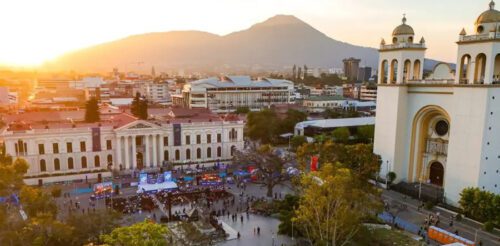
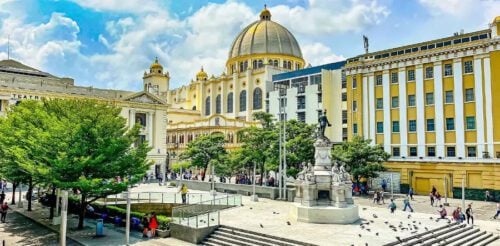
San Salvador, the capital, has also enjoyed a tourism resurgence. Its revitalized Historic Center—anchored by the National Palace, Metropolitan Cathedral, and El Rosario Church—has become a magnet for cultural tourism. Festivals, art galleries, and culinary events enhance the city’s appeal.
International connectivity has played a decisive role. The reopening of routes to North America and the entry of new airlines have boosted arrivals from the United States, Canada, Mexico, and Europe. MITUR data show the average international visitor spends about $140 per day over an eight-night stay.
Sustainability has also entered the spotlight. Both public and private sectors are investing in community-based and ecological tourism projects that integrate local families, promote conservation, and diversify travel beyond traditional beach destinations.
Protected areas, such as Montecristo and El Imposible National Parks, now serve as models of environmental stewardship. Community-run lodges, organic farms, and artisanal cooperatives have become key components of the tourism value chain.
As of October 2025, El Salvador’s continuous stream of international visitors indicates more than just a travel boom—it demonstrates the country’s rise as a stable and dynamic destination, reshaping its position on the global tourism map.