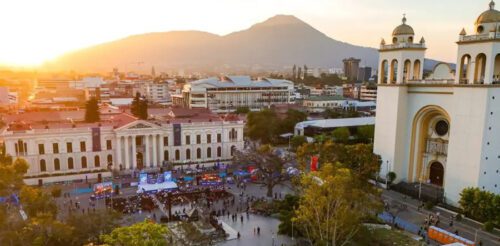
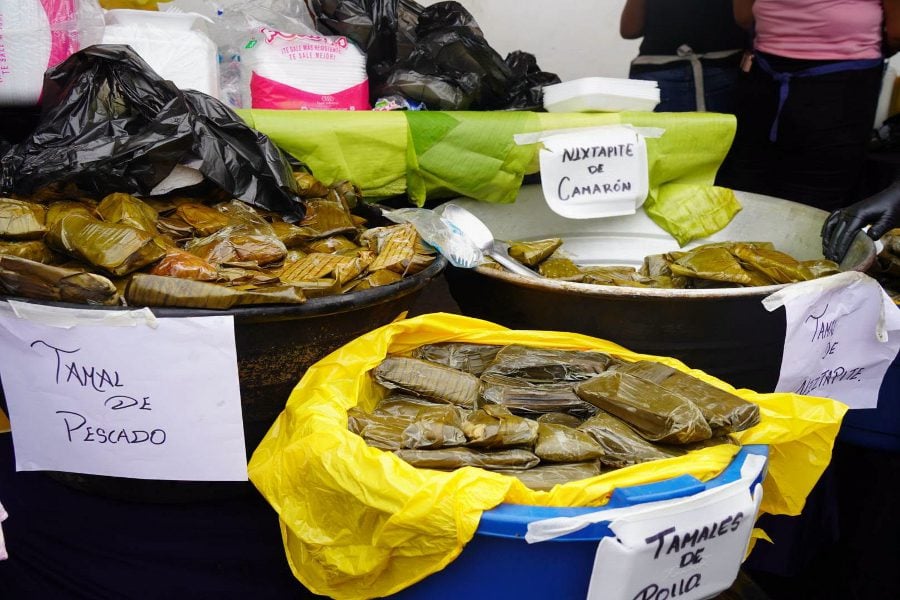
 Tamal Festival of San Pedro Perulapán.
 Imagine arriving in a Salvadoran town where the aroma of freshly prepared tamales fills the streets, and you have the delightful task of choosing among the various options crafted by local cooks.
That’s part of the experience at the Tamal Festival of San Pedro Perulapán, a gastronomic celebration that has turned this district in Cuscatlán Norte into a destination for traditional Salvadoran food.
Local cooks and entrepreneurs prepare their best tamal recipes for the festival, from traditional favorites to unique local specialties. You can try more than 20 varieties and discover just how creative Salvadorans can get with this traditional dish.
The 2026 Tamal Festival comes to San Pedro Perulapán on Sunday, October 4, bringing plenty of flavor and local tradition with it. You can try more than 20 types of tamales, including some of the town’s best-known specialties. Enjoy live entertainment, explore the festival, and support local businesses keeping San Pedro Perulapán’s culinary traditions alive.
A Festival Built Around Local Tradition
Tamales have been part of San Pedro Perulapán’s food culture for generations. Local families have kept the tradition alive by sharing their recipes and cooking techniques while also creating new flavors and combinations.
The festival grew from that culinary heritage. Records show that San Pedro Perulapán held its second Festival del Tamal in August 2016, placing the first edition in 2015.
Since then, the event has developed into an annual showcase of local gastronomy. Its purpose goes beyond serving food; it gives small businesses exposure while promoting tourism and economic activity throughout San Pedro Perulapán.
Come hungry, because you’ll find plenty of familiar favorites, including chicken, gallina, elote, pisque, and pork tamales. But don’t stop there. Try some of the local recipes that make San Pedro Perulapán’s tamal tradition stand out.
More Than Traditional Tamales
Part of the festival’s appeal comes from experimentation. Alongside traditional recipes, cooks have introduced combinations involving loroco, cheese, chipilín, pineapple, chile, pork ribs, fish, and other ingredients.
That creativity makes every edition slightly different. Many visitors come looking for familiar flavors, then encounter a tamal they probably wouldn’t find at their neighborhood market.
The celebration has also expanded beyond food stalls. Recent editions have included live music, competitions, artisan products, family activities, workshops, eating contests, and presentations highlighting especially creative or unusually large tamales.
The 2026 Festival
The ninth Festival del Tamal takes place on October 4, 2026, at the central park in San Pedro Perulapán, with activities beginning in the morning and continuing throughout the day.
Visitors can try more than 20 types of tamales, with flavors ranging from gallina, chompipe, and pato to elote, loroco, and chipilín. Local favorites like ticuco and nixtapite add something different to the menu.
The festival also gives local entrepreneurs a chance to showcase their food and grow their businesses. These cooks keep traditional recipes alive while creating new flavors, attracting visitors, and passing their cooking traditions to new generations.
A Taste of San Pedro Perulapán
You could visit the festival simply to eat a good tamal, and there’s nothing wrong with that. But spending a little longer in San Pedro Perulapán reveals something deeper behind the steaming pots.
The Festival del Tamal shows how a familiar food can become part of a community’s identity. Old family recipes meet experimentation, local entrepreneurship, tourism, and the simple Salvadoran tradition of gathering around something good to eat.
For travelers interested in experiencing El Salvador beyond its major attractions, the festival offers another way into the country’s culture—one wrapped in leaves, cooked slowly, and served with generations of local history.
This festival is one of many gastronomic festivals in El Salvador that take place throughout the year.