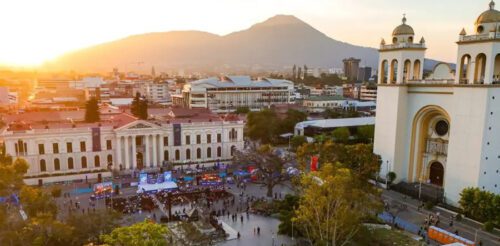
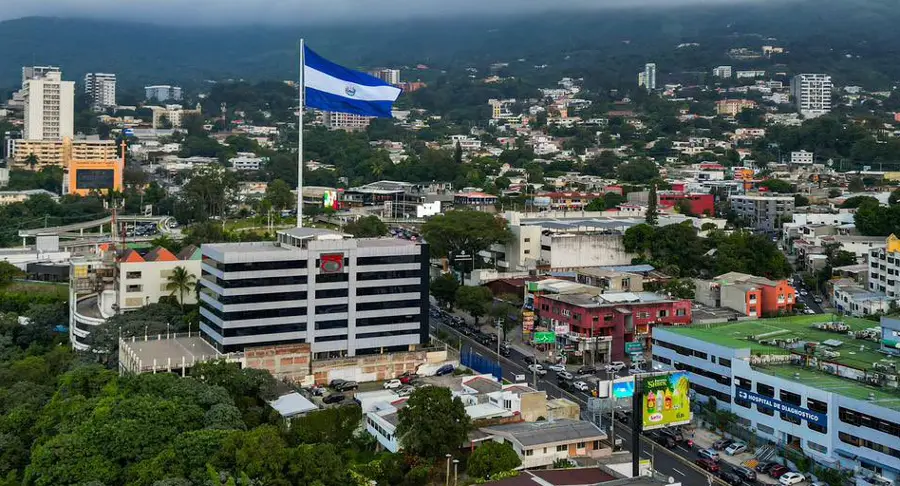
 San Salvador, El Salvador Capital City.
Five political parties have nominated candidates for president and vice president in El Salvador’s February 28, 2027 elections. President Nayib Bukele is among them and is running for a third term.
The presidential contenders are Bukele of Nuevas Ideas, Rafael Aguirre of the FMLN, Mayteé Iraheta of ARENA, Alirio García Flamenco of the PCN, and Orlando Delcid of Fraternidad Patriota Salvadoreña.
As of November 20, the Supreme Electoral Tribunal (TSE) had received the registration documents from all five political parties but had not announced a decision on any of the presidential tickets.
The election will determine who governs El Salvador from 2027 to 2033. Following constitutional changes, the presidential term was increased from five to six years.
The contenders come from different professional backgrounds, including politics, medicine, law, business, and the military. Public security, economic development, democratic institutions and government transparency feature among their policy positions.
The 2027 general elections in El Salvador will also include legislative and municipal races. Salvadorans will elect members of the Legislative Assembly and municipal councils on the same day.
Nayib Bukele — Nuevas Ideas
Bukele is running for another term with Vice President Félix Ulloa. He was first elected president in 2019 with the Grand Alliance for National Unity (GANA) and won reelection in 2024 with Nuevas Ideas.
A key part of his presidency has been his security strategy, especially the state of exception started in March 2022. Bukele’s recent reelection campaign comes after the Legislative Assembly approved constitutional reforms.
These changes mark a major shift in El Salvador’s government and political system. They remove limits on presidential reelection and extend future presidential terms to six years.

Rafael Aguirre — FMLN
Aguirre represents the Farabundo Martí National Liberation Front (FMLN). A physician and labor union leader, he serves as secretary-general of the Salvadoran Social Security Institute’s doctors’ union.
According to El Diario de Hoy, Aguirre proposes a fiscal agreement, stronger anti-corruption measures, and greater transparency in public spending. He has questioned the government’s disclosure of how it uses public funds.
His running mate is Madaí Santos, a nurse who previously worked in the intensive care unit at Rosales National Hospital.
Mayteé Iraheta — ARENA
Iraheta, an attorney and former legislator representing Sonsonate, leads the presidential ticket of the Nationalist Republican Alliance (ARENA). Agricultural engineer Verónica Henríquez joins her as the vice-presidential nominee.
Iraheta has called for a permanent security measure to replace the state of exception. She also advocates restoring checks and balances in the Legislative Assembly and has questioned the presidential reelection process.
Orlando Delcid — Fraternidad Patriota Salvadoreña
Delcid is a Salvadoran businessman originally from La Unión who moved to Houston at age 7 and later built a professional career in real estate. Businessman Bryan Muñoz is his running mate.
Delcid proposes attracting $100 billion in private investment across the country’s 14 departments, with a wage requirement of $7 an hour, according to Diario El Mundo.
Although Delcid supports the state of exception, he has raised concerns about freedom of expression. He considers presidential reelection constitutional but favors a rotation of power.
Alirio García Flamenco — PCN
The National Coalition Party (PCN) nominated García Flamenco, a retired army general and former chief of the Joint Chiefs of Staff of the Salvadoran Armed Forces.
García Flamenco has proposed legislation to safeguard civil liberties and identified legal certainty and food security as policy priorities. He has also expressed concern about the condition of democratic institutions.
His running mate, Mauricio Vilanova, served as mayor of San José Guayabal for 22 years under ARENA before leaving that political party in 2022.
Security, the Economy and Democratic Institutions
The contenders have outlined different approaches to issues affecting daily life in El Salvador, including employment, public safety, government spending, food security and the protection of individual freedoms.
The state of exception remains a point of discussion among the presidential hopefuls. While some support maintaining the security measure, others favor alternatives or changes to its implementation.
ARENA and the FMLN, both former governing parties, are seeking a return to the presidency. The PCN, a legislative ally of Nuevas Ideas, is fielding its own presidential ticket.
What Happens Next in the Presidential Race?
The deadline for submitting presidential registration applications expired November 19. All five presidential tickets remained pending approval as of November 21, according to El Diario de Hoy.
According to the official electoral calendar, the Supreme Electoral Tribunal has until November 24 to issue initial decisions on presidential registration applications and until November 25 to notify the applicants.
Political parties have until November 30 to address registration deficiencies. The electoral calendar sets December 17 as the deadline for final registration decisions and December 23 for their notification and publication.
The presidential campaign period began October 27 and will run through February 24, 2027, four days before Salvadorans head to the polls to elect their next president and vice president.