Few things capture the heart of Salvadoran identity like food—and few foods capture it better than the famous chorizo festival in Cojutepeque.
Every December, this city in the department of Cuscatlán transforms into a lively hub of aroma, color, and culture during its Chorizo Festival, one of the most iconic Gastronomic Festivals in El Salvador.
It’s a feast that celebrates not only local craftsmanship but also the enduring bond between community, heritage, and Salvadoran cuisine.
A City Built on Flavor and Tradition
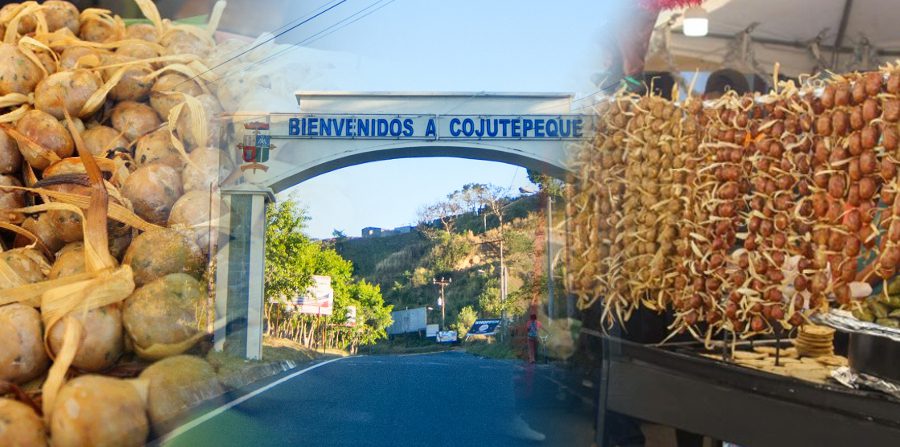
Cojutepeque, often referred to as “La Ciudad del Chorizo” (The City of Chorizo), has been renowned for decades as the birthplace of El Salvador’s most beloved sausage.
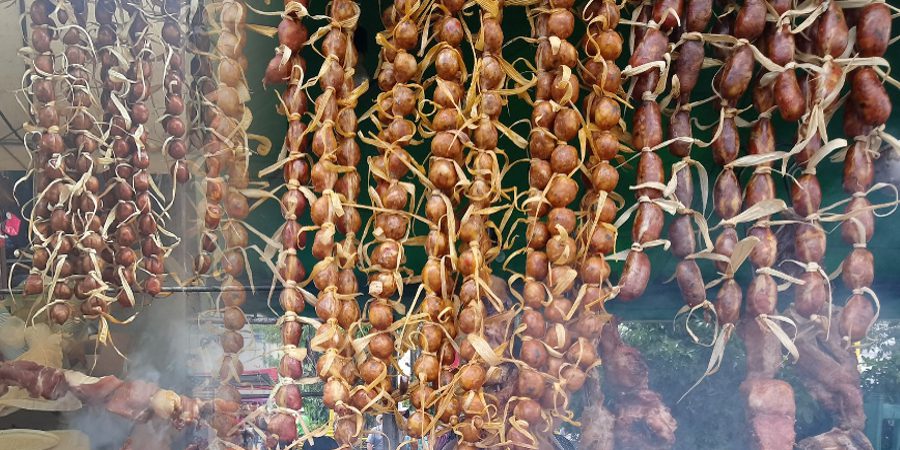
Its signature blend of pork, spices, and natural casing—slow-smoked to perfection—gives it a distinct, slightly tangy flavor that has made it a staple across Salvadoran homes.
The Chorizo Festival was born out of that pride. What began years ago as a small local fair celebrating traditional sausage-making has evolved into a national event, attracting thousands of visitors from across the country and around the world.
It’s a way for locals to showcase their culinary heritage while strengthening the town’s cultural and economic vitality.
Festival Highlights: A Feast for All Senses
The Chorizo Festival is held annually in December. During the festival, the city’s streets fill with vendors, musicians, and visitors eager to experience Salvadoran hospitality at its finest.
1. Chorizo Tastings and Culinary Competitions
Dozens of local producers line up along Cojutepeque’s central park to offer samples of their best chorizos — sweet, spicy, and smoky varieties alike.
Visitors can observe demonstrations of traditional sausage preparation, from seasoning and stuffing to wood-smoking techniques that have been passed down through generations.
Local cooks also compete in the “El Mejor Chorizo” contest, judged by chefs and culinary experts who evaluate the taste, texture, and authenticity of the chorizo.
2. Music, Dance, and Family Fun
No Salvadoran festival is complete without music. Throughout the day, live bands perform cumbias, rancheras, and traditional folk songs while dance troupes in colorful attire entertain crowds.
3. Local Dishes and Craft Markets
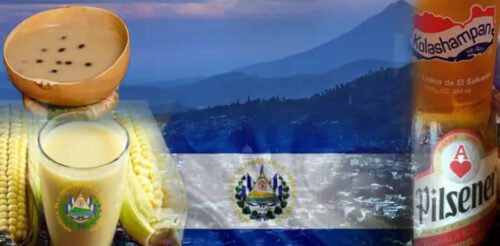
While chorizo is the central star, visitors can also enjoy pupusas, yuca frita, tamales, atol de elote, traditional sweets, and popular street foods.
Furthermore, craft vendors display hand-woven hammocks, pottery, and wooden utensils — each piece representing the creativity and skill of Cuscatlán’s artisans.
Why the Chorizo Festival Matters
Beyond the spectacle and taste, the Chorizo Festival holds deep cultural and economic significance.
For the people of Cojutepeque, it’s not merely a fair—it’s a statement of identity. The festival preserves the art of chorizo-making, ensuring that younger generations continue to learn the process and appreciate its traditions.
Economically, it provides a vital boost to local small businesses, including farmers, food producers, artisans, and hoteliers.
The influx of tourists generates income that sustains the community throughout the year, turning what was once a local celebration into a driver of regional development and gastronomic tourism.
Government agencies and private sponsors have also recognized its potential, promoting the event as part of El Salvador’s growing tourism portfolio.
The Chorizo Festival now stands alongside other culinary events, such as the Pupusa Festival in Olocuilta and the Atol Festival in Ahuachapán, each representing the nation’s diverse and flavorful landscape — a complete list of which can be explored on the Gastronomic Festivals in El Salvador page.
Chorizo Festival in Cojutepeque: A Living Expression of Salvadoran Identity
At its heart, the Chorizo Festival is about more than food. It’s about people who take pride in what they create, who transform simple ingredients into something worthy of celebration.
In a country where traditions are passed by hand and memory, this event serves as both a reminder and a revival — proof that culture, when nurtured, only grows richer with time.
So, when the smoke rises once more over Cojutepeque’s streets, it signals not just the grilling of chorizos but the gathering of a community united by taste, craft, and joy.