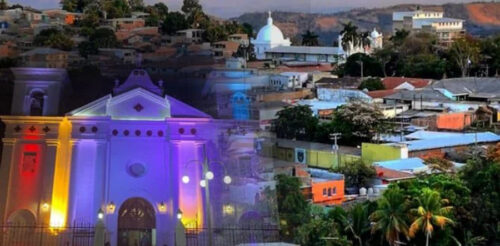
Santa Ana City in El Salvador.
Santa Ana El Salvador is a city with impressive architecture, a rich history, lively traditions, and beautiful scenery. Here, historic landmarks blend with the rhythms of daily Salvadoran life.
Located in western El Salvador, Santa Ana is the country’s second-largest city and an important commercial and cultural center. Its historic downtown, traditional markets, and welcoming atmosphere give visitors plenty to explore.
Among the historic cities and cultural destinations across El Salvador, Santa Ana stands out for its architectural heritage and nearby natural attractions. Whether you’re interested in history, food, or outdoor adventures, this city has something to offer.
- Where Is Santa Ana Located?
- The History of Santa Ana
- Santa Ana’s Historic Center and Architecture
- Culture and Traditions in Santa Ana
- Food and Everyday Life in Santa Ana
- Natural Attractions Near Santa Ana
- Getting Around Santa Ana
- Why Santa Ana Matters to El Salvador
- Exploring Santa Ana and El Salvador’s Western Region

Where Is Santa Ana Located?
Santa Ana is in western El Salvador, about 65 kilometers northwest of San Salvador. It is the capital of Santa Ana Department and links several key places in the country’s western area.
Because of its location, Santa Ana is a great place to start exploring nearby volcanoes, lakes, coffee farms, and small towns. You can enjoy the city and still be close to some of El Salvador’s most famous natural sights.
Santa Ana is also easy to reach because it sits on main transportation routes. Buses and cars connect the city with San Salvador, Sonsonate, Ahuachapán, and other towns in western El Salvador.
The History of Santa Ana
Santa Ana’s history goes back to before Spanish colonization. Indigenous communities lived in the area, and their cultural roots are still an important part of its identity.
During the colonial period, Santa Ana developed into a regional settlement. Its agricultural surroundings, commercial activity, and connections with neighboring communities helped shape the city’s growth over the following centuries.
In the nineteenth century, coffee production grew across western El Salvador and brought big economic changes. Santa Ana became a key center for coffee, drawing in merchants, landowners, and investment.
Money from coffee helped pay for elegant buildings, public spaces, and cultural institutions. Many landmarks that visitors see today show the city’s wealth from the late nineteenth and early twentieth centuries.
Santa Ana became an official city in 1824. Over the years, it grew into one of El Salvador’s main cities and played a big part in the country’s economic, political, and cultural history.
Santa Ana’s Historic Center and Architecture
Santa Ana’s historic center is one of the city’s main attractions. Here you’ll see old buildings, traditional shops, and unique architecture that show how the city has changed over time.
At the heart of downtown sits Parque Libertad, a public square surrounded by some of Santa Ana’s most recognizable landmarks.
The square provides an excellent starting point for exploring downtown. Visitors can walk between historic buildings, stop for photographs, or simply watch the daily activity unfolding around the park.
Santa Ana Cathedral
The Santa Ana Cathedral stands out as one of the city’s most recognizable landmarks. Its neo-Gothic style, with pointed arches, decorative touches, and a tall facade, sets it apart from other religious buildings in El Salvador.
Construction started in the early twentieth century, taking the place of an older parish church. Today, the cathedral is still an important place for worship and a key part of Santa Ana’s historic center.
If you are interested in religious architecture, you can learn about the history and features of Our Lady of Santa Ana Cathedral and see why it matters to the city’s religious and cultural traditions.
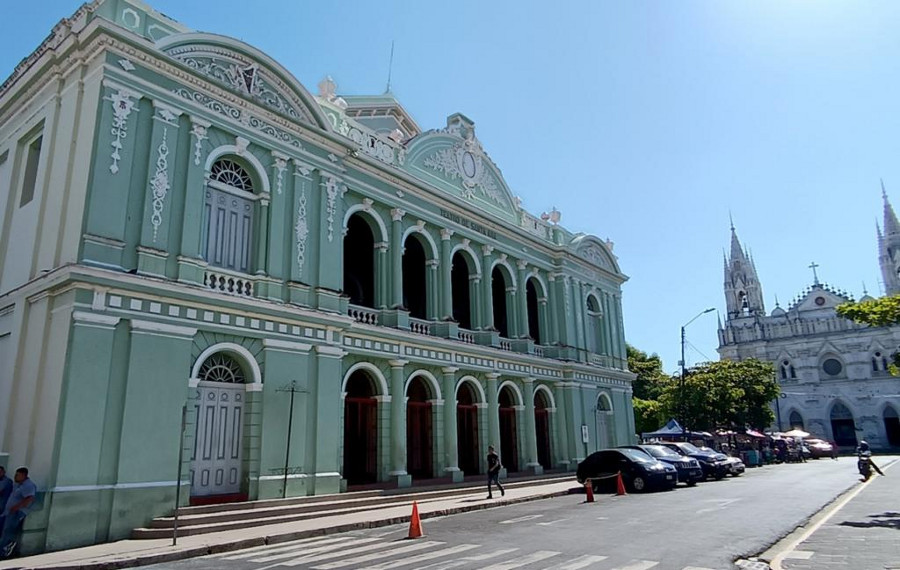
The National Theater of Santa Ana
The National Theater of Santa Ana, located near Parque Libertad, is an architectural beauty. Opened in 1910, it shows how prosperous and ambitious Santa Ana was during the coffee boom.
Inside, you’ll find decorative artwork, balconies, and details inspired by European theater design. The building still plays a key role in El Salvador’s performing arts history.
Depending on access and programming, visitors may have opportunities to explore the building or attend cultural performances. Its exterior alone makes it an essential stop during a downtown walking tour.
Santa Ana Municipal Palace
The Santa Ana Municipal Palace is located close to the city’s central square. Its historic facade and central spot make it a well-known landmark in Santa Ana.
This building shows the city’s administrative past and highlights how important the downtown area is. Along with the cathedral and theater, it helps give Parque Libertad its unique character.

Culture and Traditions in Santa Ana
The culture of Santa Ana blends religious traditions, local celebrations, music, food, and close community ties. People keep up customs that have shaped the city’s identity for generations, especially during yearly festivals.
Every July, one of the city’s biggest celebrations honors the patron saint, Our Lady of Santa Ana, with religious events, entertainment, and community gatherings.
The traditional July celebrations honoring Santa Ana’s patron saint bring together families, visitors, vendors, and local organizations. These festivities highlight the city’s religious heritage and its enthusiasm for community celebrations.
Santa Ana has a lively cultural scene all year, not just during big festivals. Local businesses, public spaces, churches, and arts events all add to daily life in the city.

Food and Everyday Life in Santa Ana
Food is another great way to get to know Santa Ana. You’ll find traditional Salvadoran dishes all over the city, whether you stop by a small neighborhood spot, a busy market, or a well-known restaurant.
Pupusas are still a favorite here, but you can also try tamales, yuca frita, traditional soups, pastries, and cool drinks. At local markets, you’ll have the chance to explore ingredients and taste familiar Salvadoran flavors.
Coffee is also an important part of Santa Ana’s identity. The highlands around the city have grown coffee for generations, linking Santa Ana’s story to one of El Salvador’s most famous crops.
Everyday life moves at different rhythms across the city. Downtown streets bustle with shoppers and vendors, while residential neighborhoods offer a quieter view of family life and community traditions.

Natural Attractions Near Santa Ana
Santa Ana’s surroundings offer a completely different experience from its historic streets. Mountains, volcanic landscapes, coffee plantations, and scenic viewpoints make the region especially attractive to nature lovers.
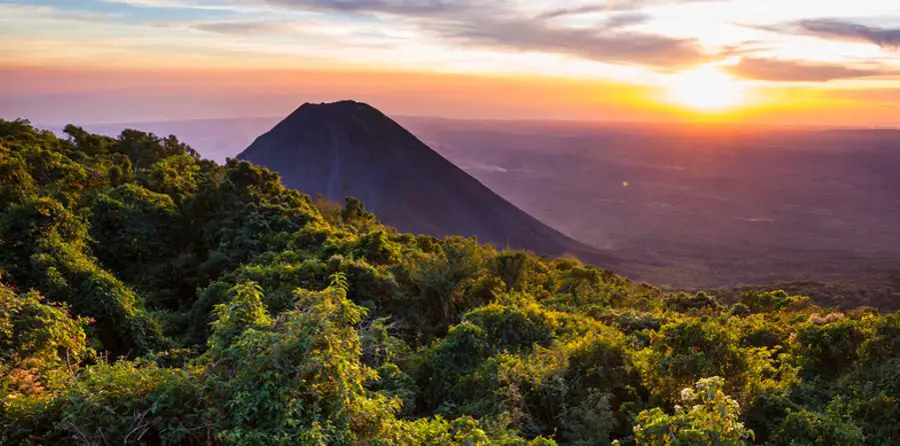
Santa Ana Ilamatepec Volcano
The Santa Ana Volcano, or Ilamatepec, is the tallest volcano in El Salvador. Its summit rises to about 2,381 meters above sea level and gives visitors spectacular views.
Hiking to the top is one of the most popular things to do in the area. On clear days, you can see the volcano’s crater lake and the nearby volcanic scenery.
Be sure to prepare for the hike with good shoes and pay attention to local safety rules. Check the latest access updates and follow guides or park staff instructions before you start your climb.
Lake Coatepeque
Lake Coatepeque is another major attraction near Santa Ana. This volcanic crater lake is famous for its scenic surroundings, deep waters, and striking views from nearby hills.
Many people like to eat at the lakeside restaurants, take boat rides, or just relax and enjoy the view. The lake feels calm and quiet compared to the lively streets of Santa Ana.
Cerro Verde National Park
Cerro Verde National Park features forests, scenic viewpoints, and volcanic landscapes. It’s a favorite spot for travelers who enjoy hiking, taking photos, and exploring the area’s natural beauty.
Its cooler mountain climate provides a refreshing escape from the warmer lowlands. Many visitors combine a trip to Cerro Verde with other attractions around the Santa Ana volcanic complex.
Getting Around Santa Ana
Santa Ana has a mix of public buses, taxis, private transportation, and walkable downtown streets. The best way to explore depends on your destination, schedule, and comfort with local transportation.
Walking is a great option near Parque Libertad, where many major landmarks are close together. You can easily visit the cathedral, theater, local shops, and nearby streets without needing to go far.
If you want to visit places outside the city, private transportation or organized tours can give you more flexibility. Public buses also connect many towns, but you might need to plan ahead for routes and travel times.
If you’re coming from San Salvador, you can reach Santa Ana by road through the western highway network. Travel time depends on traffic, your transportation choice, and where you start your trip.

Why Santa Ana Matters to El Salvador
The city of Santa Ana is a key part of western El Salvador’s economy, education, business, and culture. Its impact goes beyond tourism, reaching people in nearby areas and neighboring communities.
The city helps local businesses, schools, healthcare providers, and regional trade. Its markets and shops link city neighborhoods with farming areas and small towns throughout western El Salvador.
Santa Ana’s old buildings show how the country has grown economically. These historic places reflect the city’s past in coffee production, city growth, religious life, and shifting social values.
For many Salvadorans, Santa Ana represents more than a destination. It’s a city where generations have built businesses, raised families, celebrated traditions, and contributed to the country’s identity.
Exploring Santa Ana El Salvador
Santa Ana blends history, culture, and outdoor fun. You can experience old traditions, see beautiful architecture, and visit volcanic landscapes, all close to the city.
If you’re planning a longer trip, Santa Ana is a great place to include when exploring El Salvador’s sights, culture, and nature. Its location makes it a convenient base for visiting the western region.
Santa Ana stands out because its history is still part of daily life. The city keeps changing but holds on to its buildings, traditions, and community spirit.