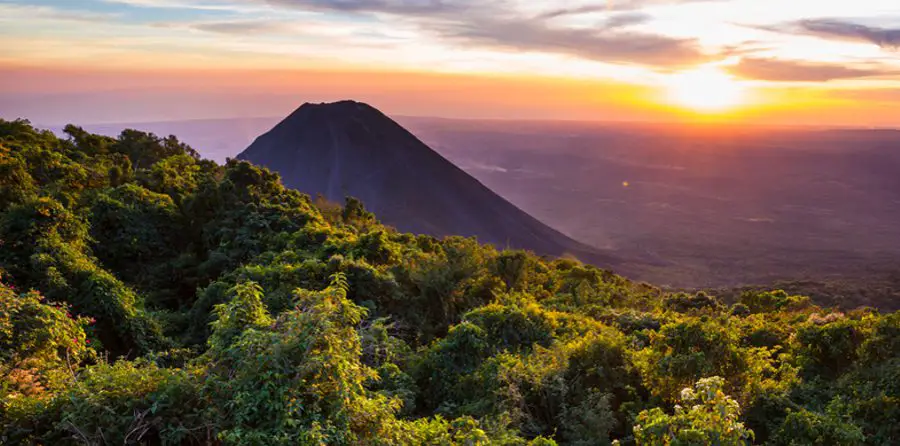
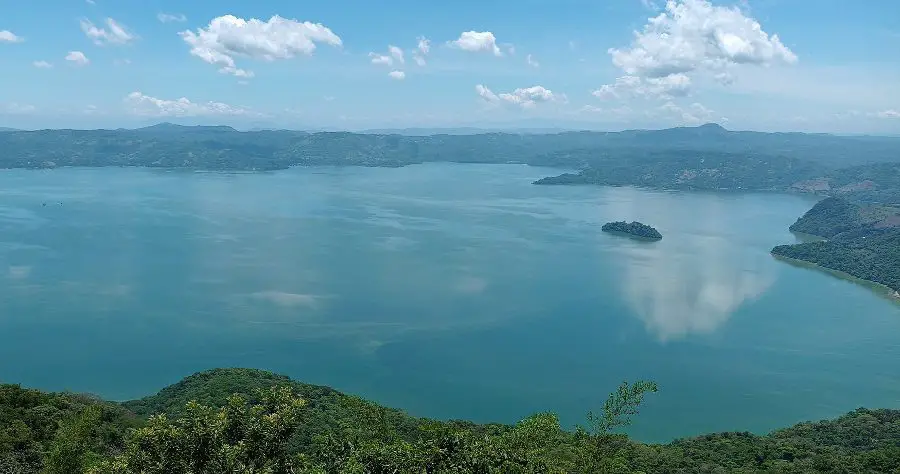
 Cerro Verde National Park.
El Salvador is shedding old perceptions. National Geographic highlights five places to enjoy the outdoors in El Salvador, where it finds raw landscapes, demanding trails, and coastlines shaped more by nature’s grit than by tourism’s polish.
The magazine’s editors value authenticity. They look for places where the environment still leads, and visitors follow. El Salvador delivers this without trying.
Despite its size, the country boasts intense geographic contrasts—volcanoes, forests, black-sand beaches, and ancient calderas are often found just minutes apart.
National Geographic’s feature spotlights five experiences that define El Salvador’s growing reputation as a serious adventure destination. These are not curated attractions; they’re landscapes that stand on their own.
1. Finding Secluded Waterfalls Near Juayúa
Juayúa’s surrounding hills hide waterfalls untouched by commercial noise. Trails cut through coffee farms, bamboo clusters, and wet rock corridors shaped by years of flowing water.
The “Siete Cascadas” route appeals to hikers seeking an authentic experience. Each waterfall is different—some narrow and tall, others wide and powerful, all naturally carved.
Local guides navigate slippery stones and steep drops. The terrain demands attention, not casual wandering, and that’s precisely what appeals to serious explorers.
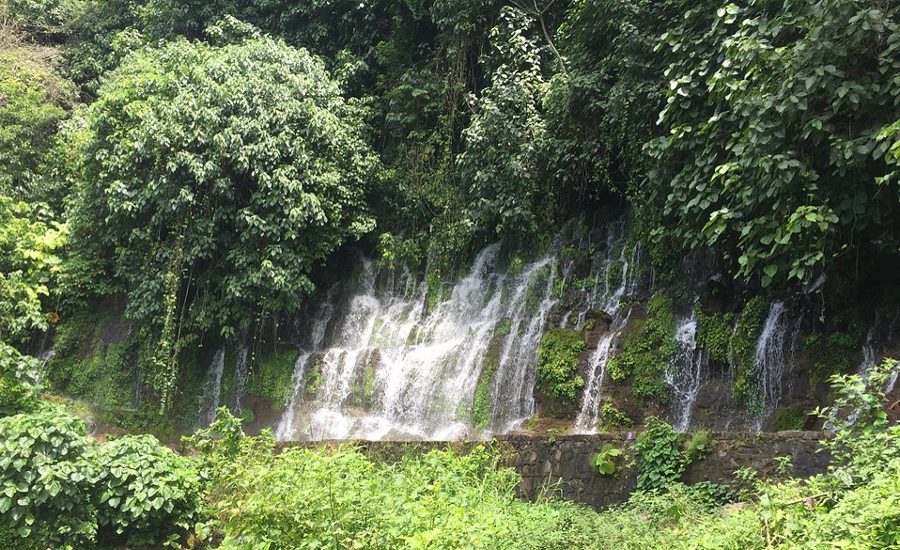
Cold pools beneath the falls shock the system. The water jolts hikers awake, providing an honest, refreshing finish to a demanding trek.
National Geographic highlights Juayúa’s waterfalls for one reason: they remain wild because reaching them still requires physical effort and local knowledge.
2. Hiking the Active Santa Ana Volcano
Santa Ana Volcano dominates western El Salvador. Its trail begins gently but quickly shifts into steep, winding sections marked by loose gravel and changing conditions.
Hiking this volcano is not easy! Tourism Police officers join hikers to ensure safety. Their presence underscores the mountain’s unpredictable nature and rough terrain.
Those who reach the summit can behold a crater lake that glows either turquoise or jade, depending on the sunlight. The volcano’s interior seems both dangerous and captivating.
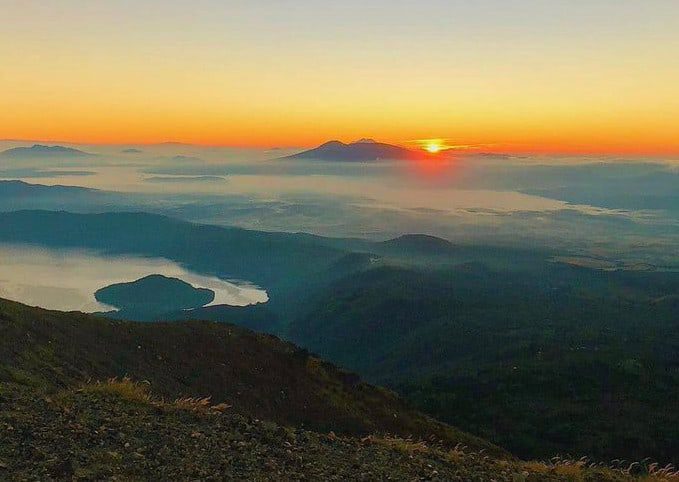
Rock layers around the rim reveal past eruptions. They form a natural archive of the region’s volcanic story, written in sulfur and ash.
National Geographic highlights Santa Ana because it requires no exaggeration. The massive stratovolcano landscape and history speak for themselves.
3. Catching Waves in Surf City
El Salvador’s Surf City coastline is renowned for its consistent waves. Waves break with reliable power, attracting surfers who prefer clean lines rather than crowded spectacle.
El Tunco, Punta Roca, and El Sunzal Beaches anchor the region with year-round swells. However, the area offers more than surf; there are plenty of activities for everyone.
Local surf schools prioritize practical instruction. Teachers emphasize reading currents, respecting locals, and developing balance through repetition rather than shortcuts.
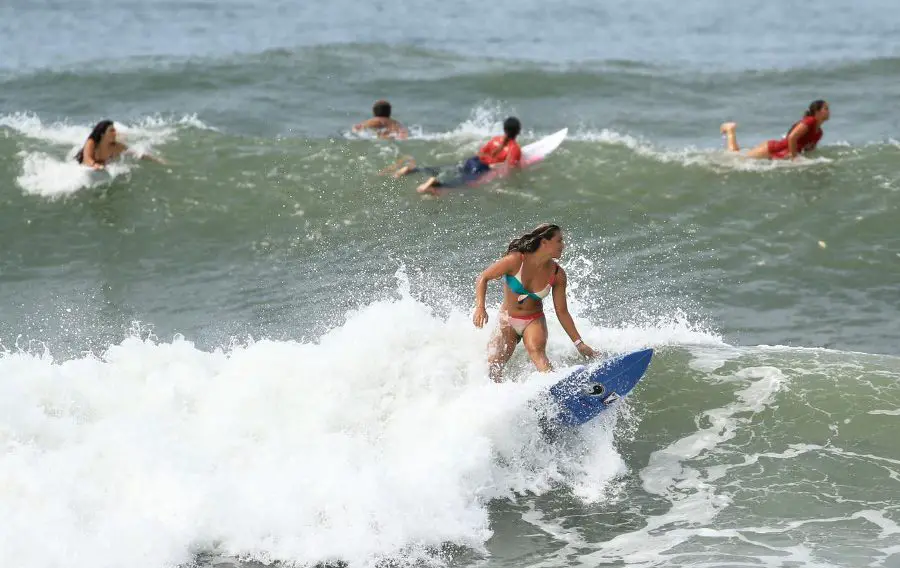
Morning sessions start before dawn. With pale light cutting across the water, surfers chase long rides that define the coastline’s reputation.
National Geographic notes that Surf City succeeds because the ocean doesn’t negotiate. Surfers adapt or miss the moment.
4. Paddling Through the Mangroves of Jiquilisco Bay
Jiquilisco Bay feels like a world apart. Mangroves form a thick, protective labyrinth housing birds, fish, and endangered hawksbill turtles.
Kayaks glide through narrow channels lined with twisting roots. The silence forces paddlers to slow down and appreciate the fragile balance of the environment.
Guides explain how the mangrove system protects the coastline from storms and supports the local communities’ livelihoods. It’s a natural infrastructure often overlooked.
Wildlife sightings occur without planning. Egrets, crabs, and fish appear at their own pace. Nothing is staged, which is precisely why the area stands out.
National Geographic favors Jiquilisco for its subtlety. Adventure here is quiet and patient, not loud or rushed.
5. Cruising on Lake Coatepeque
Lake Coatepeque is situated within a massive volcanic crater. Its dramatic backdrop of cliffs and distant peaks creates an unbeatable panorama.
Boat rides cut across shifting blue water. Some days the lake glows turquoise; other days it deepens into an almost ink-blue tone.
Restaurants located along the shore offer sweeping views. Even simple meals feel elevated by the surrounding landscape.
Warm water invites swimming, kayaking, and relaxed cruising. The lake’s calm surface contrasts sharply with the violent forces that created it.
National Geographic values Coatepeque for its geological significance and quiet beauty. The lake doesn’t need embellishment to impress.
El Salvador: A Country Earning Global Recognition
National Geographic’s interest signals something important. El Salvador’s outdoor identity is defined by terrain that refuses to bend for convenience.
These five experiences reveal a country returning to the global travel stage with confidence rooted in reality. El Salvador isn’t selling illusions—just nature in its pure, unscripted form.
For travelers seeking honest adventure, these landscapes offer exactly that—no filters, no shortcuts, and no apologies.