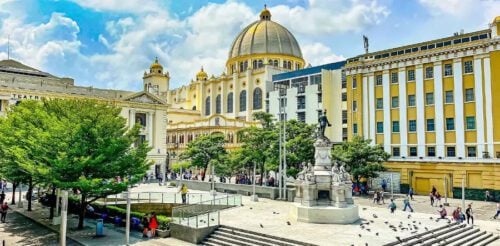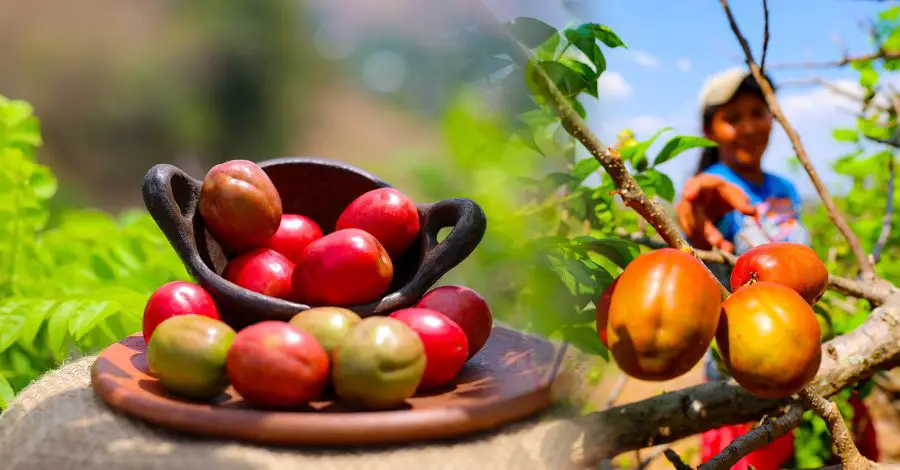
Thousands of visitors are expected to gather in the San Lorenzo district on Sunday, March 22, for the 13th annual Jocote Barón Rojo Festival, a celebration dedicated to one of the region’s most recognized seasonal fruits.
Organized by the Ahuachapán North mayor’s office, the festival will begin at 9 a.m. in the San Lorenzo municipal plaza, setting the stage for a full day of food, culture, and community-driven commerce.
Each year, local businesses use the event to showcase their creativity, transforming the Barón Rojo jocote into an array of inventive dishes that attract both domestic and international visitors eager to sample traditional and modern flavors.
Entrepreneurs will present everything from jocote-based pizzas and pupusas to pickles and desserts. Vendors will also sell sorbets, jams, snacks, soft drinks, and even wine, underscoring the fruit’s versatility in both savory and sweet preparations.
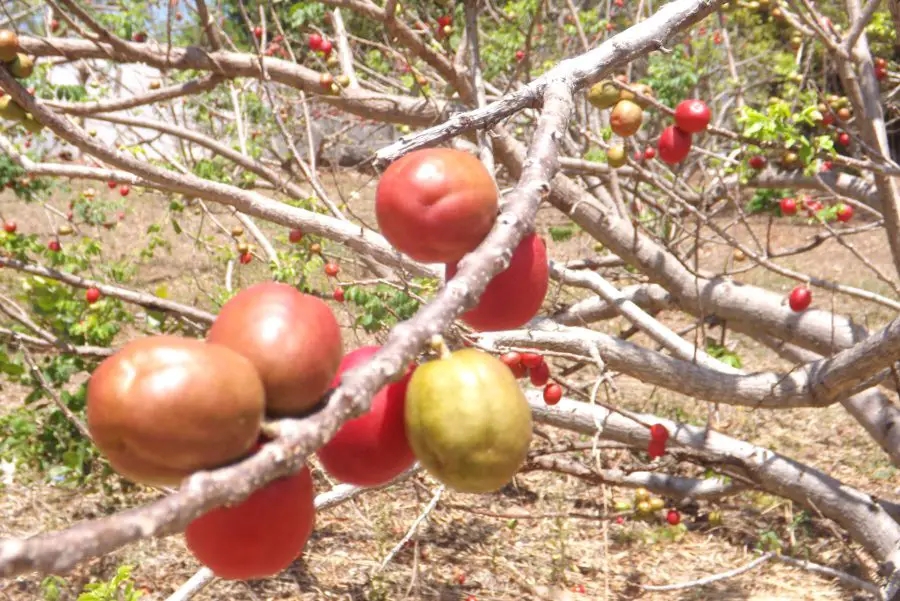
Beyond the food stalls, attendees can tour nearby plantations to learn firsthand about cultivation methods and harvest cycles. Growers will offer fresh jocote for sale, allowing visitors to support local producers directly.
SEE ALSO: El Salvador Tourism: A Journey Through Pristine Beaches, Colorful Towns, and Enchanting Parks
The Barón Rojo jocote is one of two products closely identified with San Lorenzo. The other is the loroco flower, an edible plant widely used in pupusas and a staple ingredient in Salvadoran cuisine.
Organizers anticipate more than 10,000 local and foreign visitors. Live music and family-friendly entertainment are also planned, reinforcing the festival’s role as both an economic driver and a cultural tradition rooted in the district’s agricultural identity.
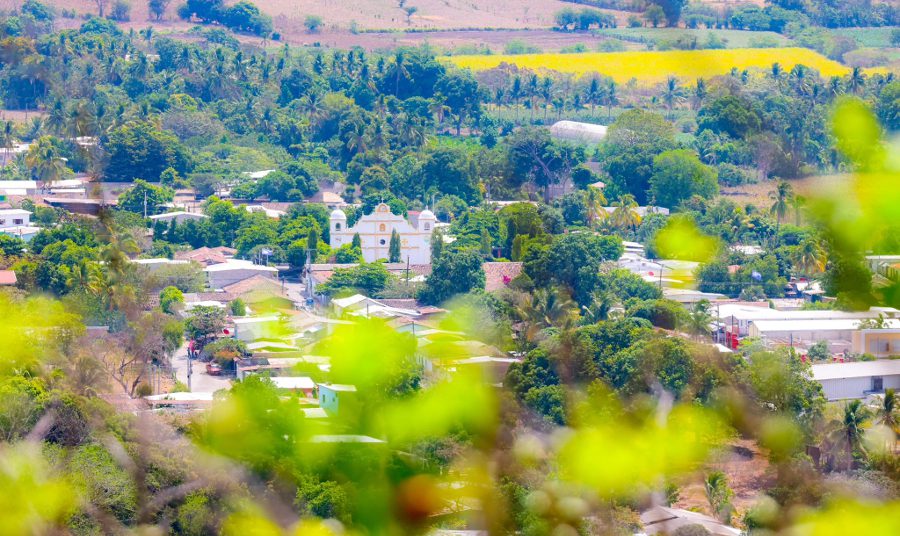
The production of jocote Baron Rojo is one of the primary sources of income for the local economy. More than 1,000 acres in the Ahuachapán North municipality are cultivated with jocote, yielding approximately 1.5 million pounds each season.
San Lorenzo’s Jocote Barón Rojo Festival has become a key cultural and economic event, celebrating a fruit deeply rooted in the region’s agricultural heritage while supporting local businesses and tourism. This delicious fruit is part of Salvadoran culture.