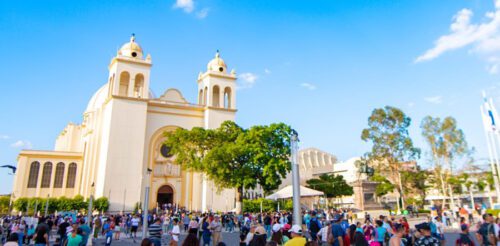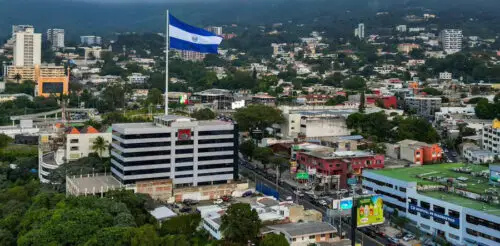
Households in five districts receive 22.2% of all remittances to El Salvador, according to the BCR. From January to October, remittances reached $8.2 billion, up 18.2% from the same period in 2014.
San Salvador, San Miguel, Santa Ana, Usulután, and Soyapango together received $1.8 billion, an increase of $214.8 million (13.4%) over last year. These districts account for 22.2% of total remittance inflows.
San Salvador leads with $730.4 million in the first ten months of the year, equal to 8.9% of all remittances and a 9.9% year-over-year rise.
San Miguel follows with $481.5 million, and Santa Ana with $272.8 million, representing 5.9% and 3.3% shares. Both reported growth of 17% and 16.5%, respectively.
Usulután received $173.1 million (2.1%), up 16.9% from 2014. Soyapango placed fifth with $160.5 million, or 2% of the national total.
At the bottom of the list are the five districts with the lowest remittance volumes: El Rosario, Mercedes La Ceiba, San Luis del Carmen, San Francisco Lempa, and San Isidro Labrador.
These districts received a combined $6.69 million, just 0.08% of all remittances. Three of these are located in the Chalatenango South municipality.
Analyzing the Remittance Data
The San Salvador department remains the top destination for remittances, receiving 18.4%, followed by San Miguel with 11.1% and La Libertad with 8.6%.
The national average remittance is $349.7, though amounts vary sharply by department. Despite receiving the most money, San Salvador posts the lowest average at $312.7. The Central Reserve Bank of El Salvador (BCR) reports averages of $366.9 in San Miguel and $336.1 in La Libertad.
Chalatenango has the highest average remittance at $460.50, which is above the country’s minimum wage. Cabañas follows with an average of $444.70, and Morazán comes in at $407.50, making them the only other departments with averages exceeding $400.
Remittances Sustain Households
Remittances provide essential income for hundreds of thousands of Salvadoran families, covering food, housing, healthcare, and education.
In many communities, particularly rural or impoverished areas, remittances serve as a crucial financial support system, helping local businesses survive and reducing extreme poverty.