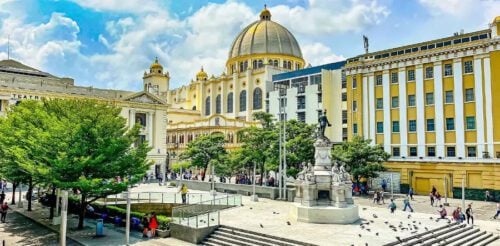
San Salvador El Salvador Capital City.
El Salvador’s foreign reserves have surged nearly 60% over the past year, marking one of the country’s strongest financial recoveries since the onset of the pandemic’s economic disruptions.
According to the Central Reserve Bank (BCR), net international reserves increased to $4.78 billion by the end of September, a rise of $423 million from the Previous Month.
The figure represents a 59% rise compared to September 2023, when reserves stood at $3 billion. The government attributes the growth to efforts tied to its extended facility agreement with the International Monetary Fund (IMF).
International reserves are a critical safeguard, ensuring the state’s ability to meet short-term external obligations. The University of El Salvador’s Institute of Economic Research describes them as the financial “shield” of the national economy.
The reserves include foreign currency holdings, IMF Special Drawing Rights (SDRs), gold, and other securities. The BCR reported that foreign currency reserves alone increased by $238.65 million in one month, primarily due to higher bank liquidity requirements.
Gold reserves also climbed sharply—up $71 million to $222 million—driven by the government’s $50 million gold purchase in September and rising global gold prices.
Despite the progress, rebuilding reserves has been a gradual process. The IMF previously urged El Salvador to “rebuild financial sector buffers” and strengthen regulation to improve stability.
Economist Otto Rodríguez noted that it has taken nearly six years for reserves to return to pre-pandemic levels. In October 2019, reserves reached $4.86 billion, but then declined amid liquidity pressures during the COVID-19 pandemic.
Rodríguez believes the current pace could restore those 2019 levels by year’s end, calling it a sign of “restored confidence” in the financial system’s liquidity.
Under the IMF agreement, the BCR will raise the legal reserve requirement on bank deposits to 14% by December and 15% by 2026, a move aimed at strengthening financial resilience.