Humpback whale watching has become one of the most exciting marine experiences in El Salvador. Every year, from November through March, these incredible animals make their way to the warm waters of the Central American Pacific, where they breed and give birth to their calves.
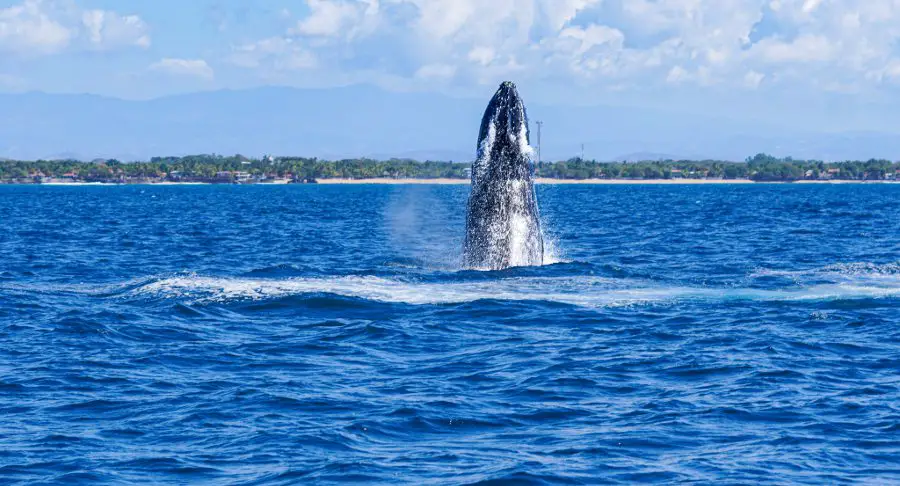
Imagine sitting in a small boat off El Salvador’s Pacific coast when a humpback whale suddenly breaks the surface. For a few seconds, everything else—the coastline, waves, and conversation—seems to disappear.
That experience draws travelers to Los Cóbanos, a coastal community in Sonsonate known for its rocky shoreline, marine life, and nearby reef ecosystem. During whale season, the ocean becomes the main attraction.
Whale-Watching in El Salvador
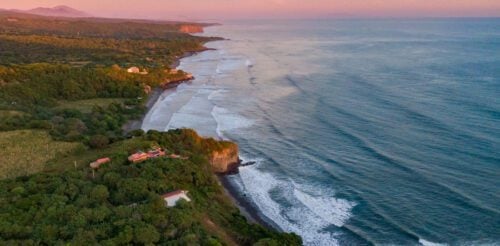
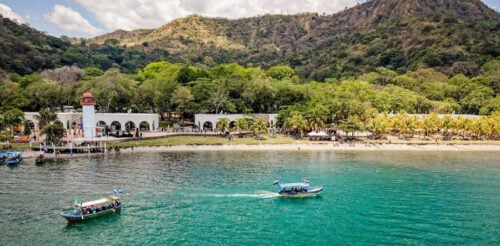
Los Cóbanos beach sits along El Salvador’s western Pacific coast, near Acajutla. While many visitors come for the beach, snorkeling, diving, and seafood, whale-watching has become another reason to explore the area.
For travelers researching whale watching El Salvador, Los Cóbanos is the one destination to keep on the radar. Local boat trips take visitors offshore in search of humpback whales traveling through tropical Pacific waters.
Some trips out to sea may result in distant whale sightings, while others can create memorable moments when whales surface nearby.
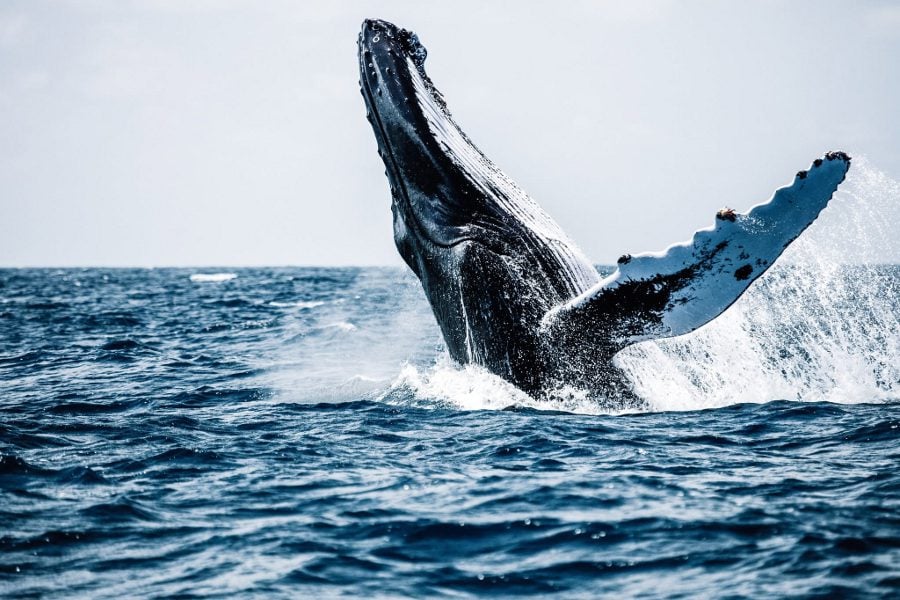
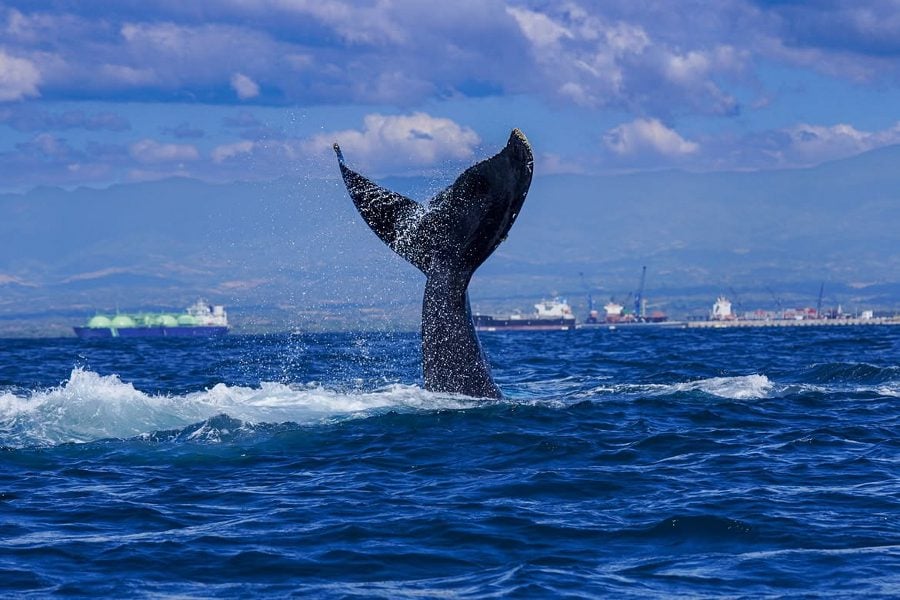
Depending on your luck, you might see a back emerging from the water, a tail disappearing below the surface, or even a dramatic breach.
Keep in mind that timing matters when planning a whale-watching trip. Humpback whales travel thousands of miles every year; they leave colder feeding grounds behind and head toward warm tropical waters to breed and give birth.
Before venturing into a whale-watching adventure at Los Cobanos, check local information, as whale movements and ocean conditions can vary.
Whale watching in El Salvador is not a year-round activity; sightings are seasonal. These imposing mammals migrate every year between November and March from the cold northern waters to warm tropical areas, including Los Cobanos.
Seeing whales remains a wildlife experience, not an attraction operating on a fixed schedule.
For that reason, the best time to see whales in El Salvador can vary from season to season. Local tour operators can provide updated information about recent sightings and conditions before you head offshore.
Humpback Whales in El Salvador
Humpback whales are particularly exciting to watch. Adults can reach impressive sizes, yet their movements sometimes appear surprisingly graceful when they emerge beside a boat.
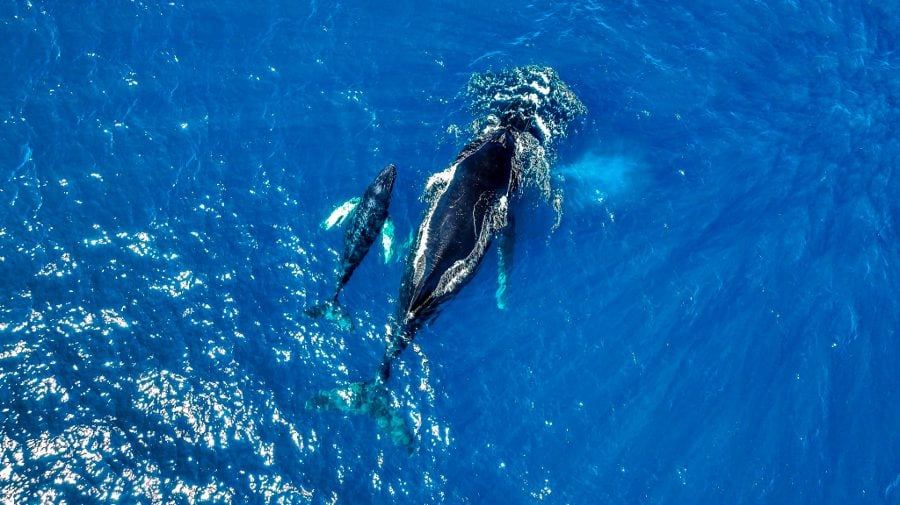
At Los Cobanos, you may see whales breathing at the surface before diving again. On a more eventful trip, visitors might witness tail slaps, pectoral fin movements, breaches, or interactions between mothers and calves.
Seeing a calf can make a whale-watching trip even more memorable. The warm tropical waters give mothers a safe place to care for their young and help them grow stronger before they begin their long migration.
Los Cóbanos Whale-Watching Tour
Most Los Cóbanos whale watching experiences begin near the coast, where local operators take passengers offshore in relatively small boats. Once at sea, guides and boat crews scan the horizon for signs of activity.
A whale’s blow is often one of the easiest clues to spot from a distance. Once whales are located, the boat may approach carefully while maintaining enough space for the animals to move naturally.
Tours can last several hours depending on ocean conditions, the location of the whales, and the type of excursion. Ask the operator about trip length, departure time, prices, and safety equipment beforehand.
And remember, no responsible guide can guarantee a sighting. Whales aren’t waiting for tour boats. Weather, ocean conditions, migration patterns, and simple luck all influence what visitors see.
What to Bring Whale-Watching
The tropical sun can feel much stronger once you’re on open water. Bring sunscreen, drinking water, sunglasses, and a hat that won’t easily blow away when the boat picks up speed.
A phone or camera with a secure strap can help capture the experience. Still, don’t spend the entire trip looking through a screen. Whale encounters can happen quickly and disappear just as fast.
If you tend to get motion sickness, prepare before you head out. Small boats can rock quite a bit with the Pacific swells, so you might feel seasick even if larger boats usually don’t bother you.
Can You See Whales From Los Cóbanos Beach?
Yes, you might occasionally spot whales from the coast, especially when they swim closer to shore. But catching a glimpse of a whale in the distance isn’t quite the same as heading offshore and actively searching for them.
A boat excursion generally provides a better opportunity because guides can search a much larger area. Even then, patience helps. Wildlife doesn’t follow an itinerary simply because visitors booked a tour.
Los Cóbanos and Its Marine Environment
Los Cóbanos stands apart from many Salvadoran beaches because of its marine environment. The area contains rocky formations and reef habitat that support fish, corals, crustaceans, turtles, and other marine organisms.
This ecological richness gives whale-watching trips a broader meaning. Visitors aren’t simply looking for one spectacular animal; they’re entering a coastal ecosystem that deserves protection long after whale season ends.
More Things to Do in Los Cóbanos
Whale-watching doesn’t have to be the only reason for visiting. Travelers can spend additional time enjoying the beach, exploring the coastline, eating fresh seafood, or arranging snorkeling and diving excursions.
The area works particularly well for travelers interested in nature rather than crowded resort-style tourism. Many visitors combine time on the water with a relaxed afternoon along the coast.
Los Cóbanos Beach is one of the highlights of Sonsonate’s beautiful golden-sand coastline. Its warm-colored sand, rocky shoreline, and rich marine life give visitors a different experience from El Salvador’s famous volcanic beaches.
Along with other nearby coastal spots, Los Cóbanos shows why this part of Sonsonate deserves a place on any El Salvador tourism itinerary.
Whale-Watching in El Salvador: A Different Side of El Salvador’s Pacific Coast
Los Cóbanos offers something you won’t find on every Salvadoran beach. During whale season, the possibility of seeing a humpback surface offshore adds an entirely different dimension to a coastal trip.
There are no guarantees, and that’s part of what makes the experience special. You head onto the Pacific, watch the horizon, and wait. Then, with some luck, the ocean suddenly comes alive.