 Free Computers for Students in El Salvador.
For thousands of Salvadoran students, owning a computer once seemed out of reach. Today, a government initiative is putting technology directly into their hands.
The Free Computers for Students in El Salvador program aims to give public school students the digital tools they need to succeed academically. The initiative also seeks to reduce educational inequalities between families with different incomes.
The Salvadoran government has given public school students free laptops and tablets through the Ministry of Education since 2021. The program’s goal is to modernize education and expand access to technology.
What Is El Salvador’s Free Computer Program?
The free computer program is a government-funded initiative that provides technological devices to students enrolled in El Salvador’s public education system.
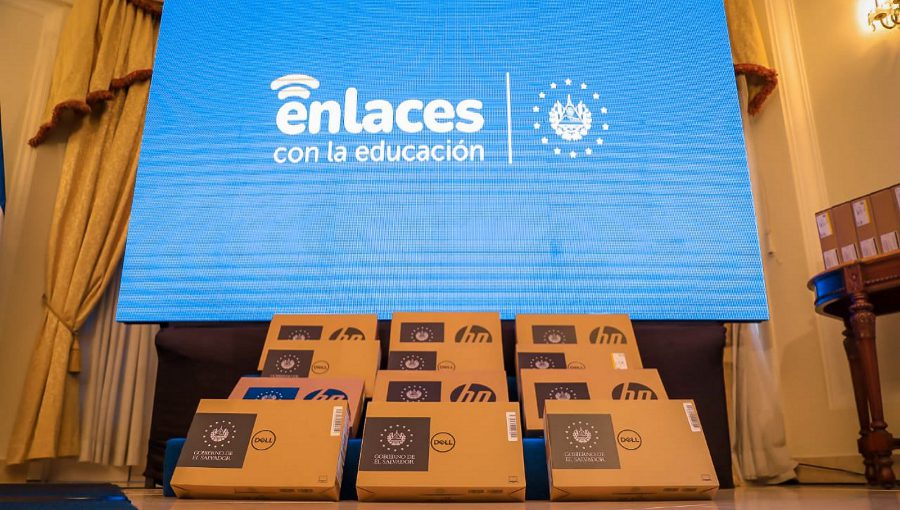
The Bukele administration began distributing computers nationwide through the Enlaces con la Educación initiative in February 2021. The goal was to make technology a bigger part of everyday learning.
The government’s approach goes beyond placing computers in school laboratories. By providing individual devices, the program allows students to use technology for classroom activities, homework, research, and independent learning.
Who Qualifies for a Free Computer in El Salvador?
The program serves children and teenagers enrolled in public schools, from early childhood education through secondary school.
Unlike traditional scholarships, the program generally doesn’t require families to prove they have financial difficulties. Instead, it aims to give students across El Salvador’s public education system access to technology, regardless of their family’s income.
The government generally doesn’t provide free computers to students attending private schools. Check with your local public school or the Ministry of Education for the latest eligibility rules and delivery requirements.
What Computers and Technology Do Students Receive?
The government distributes different types of computers depending on students’ ages and educational needs. Younger children get tablets, while students in higher grades get laptops to help them with their schoolwork.
The devices come with operating systems and educational software that help students learn in the classroom and study on their own. The available apps and technical features depend on the device model and when the government distributed it.
These devices can be used to prepare assignments, write documents, create presentations, and explore educational materials.
How Are Free Computers Distributed to Students?
Local schools help identify eligible students, communicate delivery arrangements, and provide instructions about receiving and using government-issued devices.
Parents or guardians may need to help pick up the computers, especially for younger children. Since schools may have different requirements and procedures, families should check with their schools to find out what documents they need and how the process works.
Students are expected to handle their equipment responsibly and protect it from damage. It is also important to verify the device’s applicable ownership, warranty, repair, and replacement conditions.
How Free Computers Benefit Public School Students
For students from low-income households, receiving a computer can eliminate a significant educational expense. Families who previously relied on smartphones or shared devices now have another tool to help their children with schoolwork.
Computers also help students build digital skills that go beyond browsing the internet. These devices help students gain valuable skills they can use later in college and future jobs.
The program can particularly benefit rural communities, where household access to technology may be limited. However, reliable electricity, internet service, and technical assistance remain important for students to use their equipment effectively.
Challenges Facing El Salvador’s Free Computer Program
Providing devices is only one part of improving digital education. Teachers also need proper training, useful learning materials, and practical classroom strategies to help students get the most out of technology instead of just using it to replace traditional assignments.
Keeping computers in good condition is another challenge. Over time, they need repairs, software updates, or replacement. The government must provide reliable technical support to keep them useful throughout students’ education.
The Long-Term Impact of Free Computers for Students in El Salvador
The Free Computers for Students in El Salvador initiative represents an important investment in digital access. The official Enlaces con la Educación website states that its coverage extends from preschool through secondary education.
Its greatest potential lies in giving students opportunities that household finances might otherwise restrict. With proper guidance, technology can support independent learning, creativity, research skills, and preparation for an increasingly digital economy.
Still, the program’s lasting success will depend on more than the number of computers distributed. Better connectivity, trained teachers, functioning equipment, and measurable learning improvements will ultimately determine its educational value.