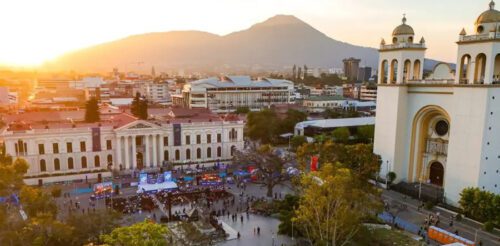
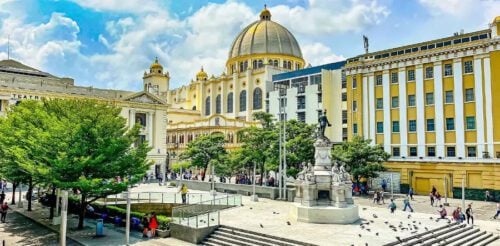
 San Salvador El Salvador.
SAN SALVADOR, El Salvador — Salvadorans returning home now have a powerful incentive: the chance to bring up to $100,000 worth of belongings and two vehicles tax-free.
The measure, enacted under the Special Law of Benefits and Protection for the Diaspora and People in Human Mobility, has been in force since August 2025.
It allows returning nationals to import personal property and household goods free of value-added tax and customs duties, according to Customs Director Benjamín Mayorga.
“What does household goods entail? They are the goods or household items that allow you to dignify your life,” Mayorga said. The legislation broadens the definition of such goods while setting limits, exceptions, and eligibility requirements.
The benefit extends to both permanent and temporary returnees, with only one family member required to apply to the household.
Families may also import up to two vehicles for personal or business use; however, the law prohibits reselling them within the first two years.
Vehicles must be no more than eight years old and comply with existing traffic regulations.
The process is handled by the General Directorate of Immigration and Foreigners, as well as the General Directorate of Customs.
Applicants must declare the value of their assets, verify return status, and certify that items are for family use or personal economic activity rather than resale.
The International Organization for Migration reported in 2022 that more than 60 percent of Salvadorans in the United States intended to return at some point, though fewer than 20 percent had concrete plans. Family reunification remained the primary reason for returning.
Customs authorities said the law is already making an impact. In its first month, more than 300 families took advantage of the incentives, representing nearly $3 million in tax exemptions.
Officials say the trend signals a genuine interest among Salvadorans abroad to resettle.
Still, analysts warn that oversight will be crucial to prevent abuse. Once the two-year vehicle restriction expires, questions remain over whether cars could flood the domestic market.
Critics also raise concerns about the fiscal sustainability of large-scale exemptions.
For now, the policy underscores the government’s intent to ease the burden of returning migration. It lowers costs for Salvadorans looking to rebuild their lives at home but also places new pressure on authorities to enforce controls and ensure transparency.