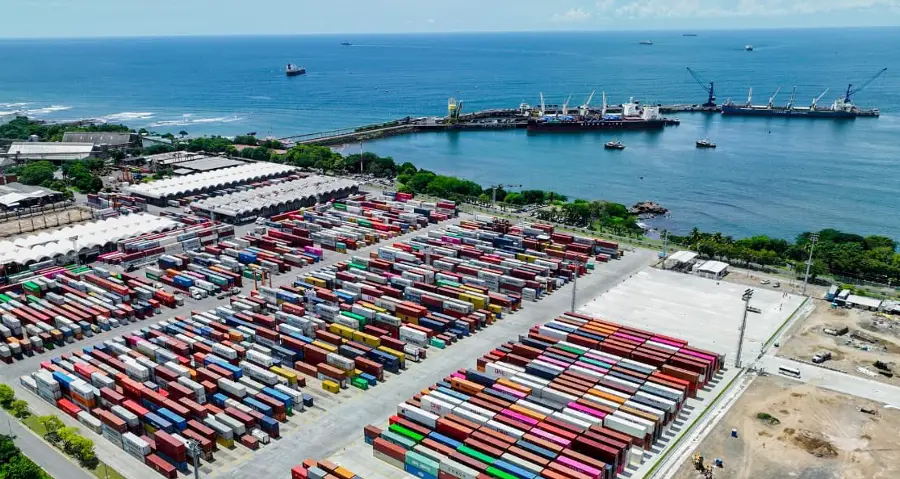
 Acajutla Port El Salvador.
The United States agreed on Thursday to eliminate a 10% tariff imposed on key exports from El Salvador and establish a reciprocal trade framework that will expand economic cooperation between the two countries.
U.S. officials confirmed that the tariff removal forms part of a broader understanding with El Salvador aimed at updating trade rules and reinforcing the Central America-Dominican Republic-United States Free Trade Agreement, which has been in place since 2006.
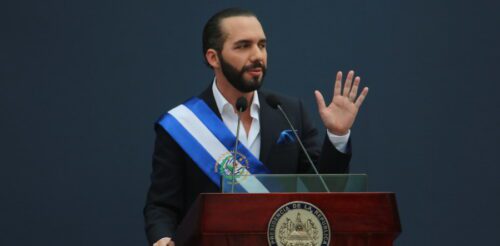
The announcement about tariff removal was made public through an official document from the U.S. Embassy in San Salvador. President Nayib Bukele highlighted this measure as a significant step for Salvadoran exporters.
Under the arrangement, the United States will eliminate duties on certain Salvadoran goods that cannot be cultivated, extracted, or produced domestically in sufficient quantities, thereby opening the door to increased access to the U.S. market.
The plan requires El Salvador to reduce non-tariff barriers affecting U.S. companies, including streamlining regulatory processes in priority sectors such as pharmaceuticals and medical devices, which have long been seen as areas burdened by complex procedures.
El Salvador also agreed to facilitate the entry of U.S. agricultural products by recognizing regulatory certificates issued by American health authorities, a move intended to quicken customs clearance and improve trade efficiency.
In the digital sector, El Salvador reaffirmed its commitment to avoiding restrictions on digital trade. It pledged not to impose discriminatory taxes on digital services, addressing concerns raised by U.S. technology firms.
The agreement further obligates El Salvador to prohibit imports produced with forced or compulsory labor and to adopt stronger environmental protections, including the effective enforcement of its existing environmental laws.
Both governments will now work on finalizing the wording of the accord before proceeding to formal signatures and internal approvals, although neither side has announced a timeline for completion.
Salvadoran products expected to benefit include textiles, agricultural goods, and plastics, which make up a substantial share of the country’s exports to the United States, its most significant commercial partner.
El Salvador had been subject to a 10% tariff since August 1, a measure that strained its competitiveness abroad and raised concerns among exporters, who feared long-term market losses.
Officials say lifting the tariff should restore momentum for Salvadoran industries, offering renewed access to a critical market and strengthening a bilateral relationship shaped by decades of trade and investment ties.