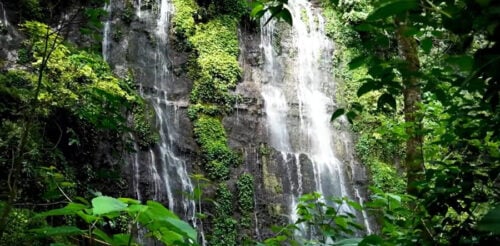
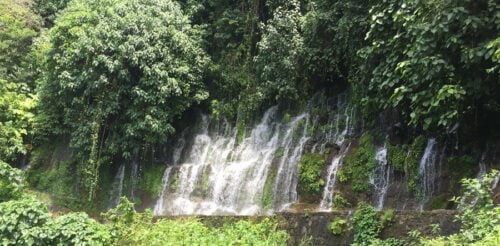
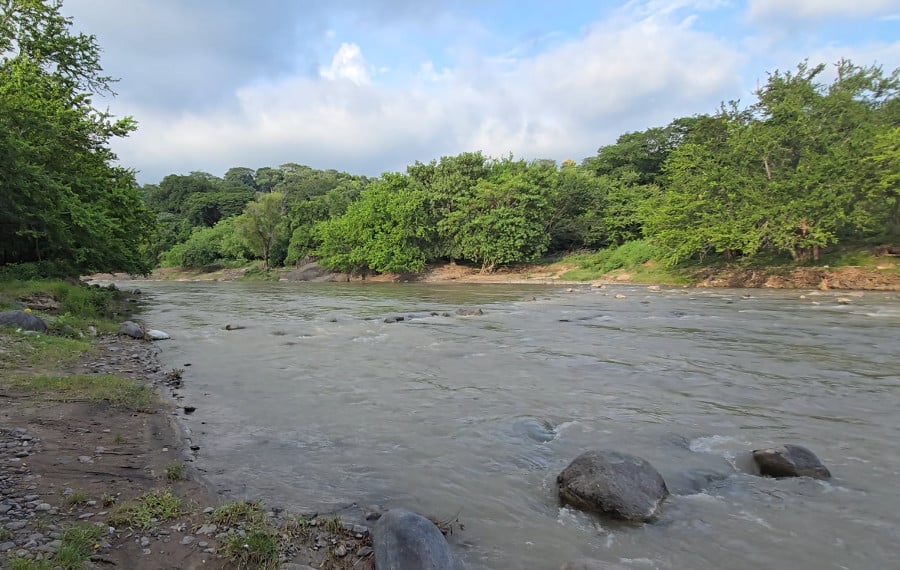
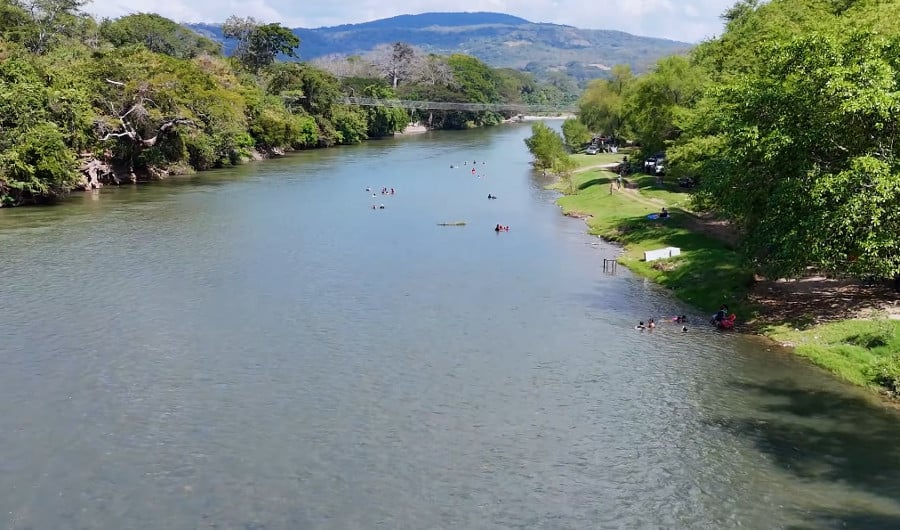
 Joboa River El Salvador.
Rivers in El Salvador shape the landscape, support communities, and provide essential water resources. From mountain streams to major waterways, they play a vital role in daily life.
In Central America’s smallest country, rivers run through mountain valleys and farmland on their way toward the coastal plains. Some cross national borders, while others start and end within El Salvador.
These rivers also add to El Salvador’s natural beauty. Visitors will find that rivers offer beautiful views, outdoor fun, and chances to experience the local environment.
Overview of Rivers in El Salvador
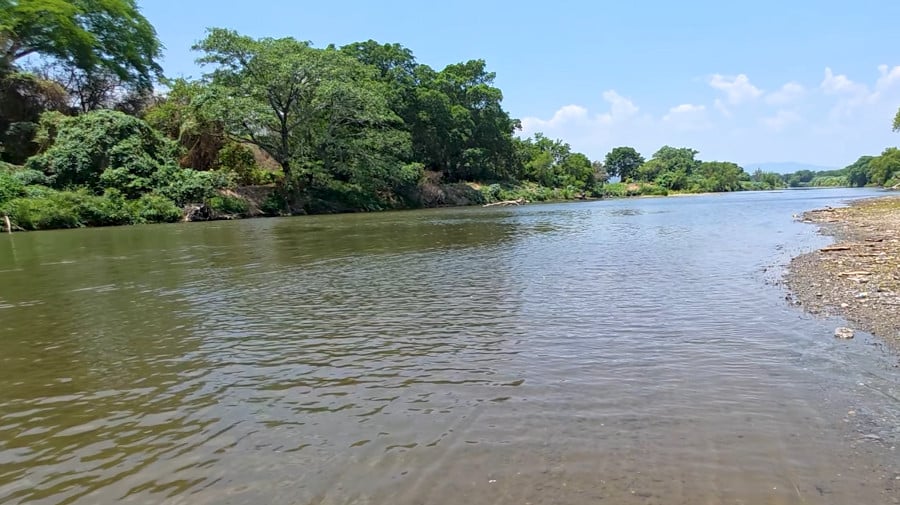
El Salvador has an extensive network of rivers, streams, and tributaries that drain different parts of the country. Their waters support agriculture, wildlife, communities, and several important economic activities.
There are hundreds of named rivers and streams in El Salvador, as well as many smaller waterways that only flow during certain seasons. The total number can change depending on how officials define tributaries, streams, and river systems.
Researchers group waterways into drainage basins and larger regions to track where the water goes. That helps them see which streams feed the same river and where that river eventually empties.
Where Are El Salvador’s Rivers Located?
Rivers flow through almost every department in El Salvador, but they differ in size and features. Most start in the mountains and then move down through valleys and farmland.
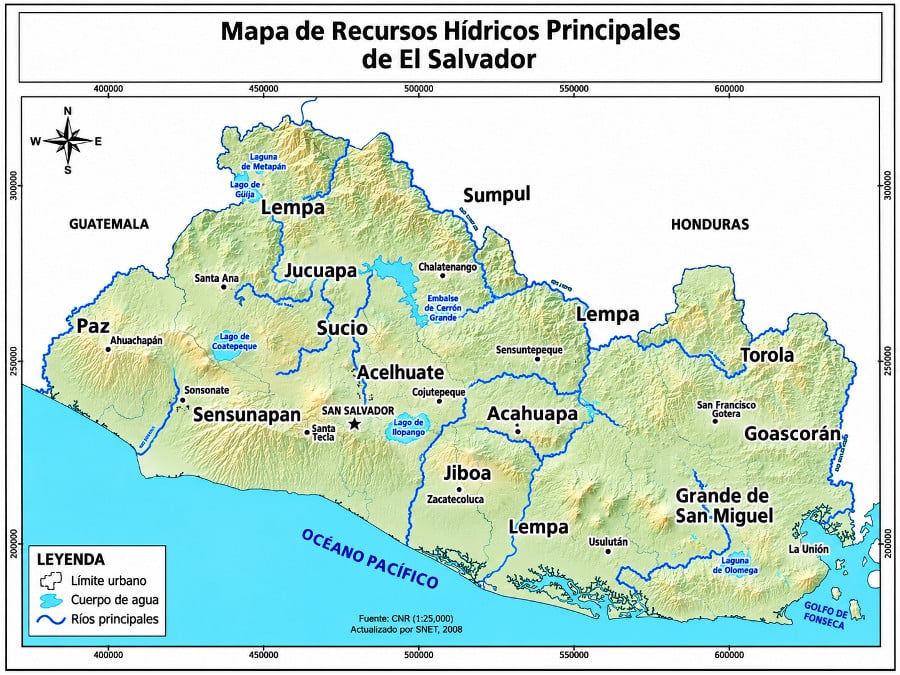
The Lempa River runs through much of the country’s interior. The Paz and Goascorán rivers form parts of El Salvador’s borders. Smaller rivers support communities in the west, center, and east.
How Rivers Shape the Country’s Geography
El Salvador’s volcanic mountains, highlands, and coastal plains shape how its rivers flow. Rivers move quickly through steep areas, but in flatter regions, they slow down and spread out.
Over time, rivers cut valleys, carry sediment, and help create fertile farmland. These natural processes keep changing the land, especially when there is a lot of rain.
Major Rivers in El Salvador
Some of El Salvador’s rivers stand out for their length, where they flow, or how they support nearby communities. Each takes on a different character as it winds through the country’s mixed terrain.
Lempa River
The Lempa is El Salvador’s longest and most important river. It starts in Guatemala, flows through Honduras, and crosses El Salvador before emptying into the Pacific Ocean.
Across the Lempa basin, farmers use the river’s water to irrigate crops, and hydroelectric dams use it to generate electricity. The river also sustains wildlife habitats and supplies communities, making it central to how El Salvador manages its water.
Paz River
The Paz River forms part of the natural border between El Salvador and Guatemala. It flows southward through the western region before emptying into the Pacific Ocean.
Communities near the river depend on surrounding agricultural lands and local water resources. Its location also gives it geographical importance as a shared waterway between neighboring countries.
Goascorán River
The Goascorán River runs through eastern El Salvador and forms part of the border region with Honduras. Its basin connects mountainous landscapes with lower coastal areas.
The river supports surrounding ecosystems and agricultural activities. It also has historical and geographical significance because the two countries have long disputed parts of their boundary.
Grande River of San Miguel
The Grande de San Miguel River is one of eastern El Salvador’s principal waterways. It drains areas around San Miguel before continuing toward the coastal lowlands.
Its basin supports agricultural communities, livestock activities, and natural habitats. During the rainy season, rising water levels can affect nearby settlements and flood-prone agricultural land.
Jiboa River
The Jiboa River runs through central El Salvador, passing through mountains and volcanic areas before it reaches the Pacific coast. Its watershed covers farmland and several communities in the central part of the country.
As the river moves from higher ground to the coastal plains, it shows how the land changes across the country. The river’s water supports local farms and nearby ecosystems.
Sumpul River
The Sumpul River flows through northern El Salvador and forms part of the border with Honduras. It eventually joins the Lempa River system, contributing water to the country’s largest watershed.
The river also holds historical significance because of the violence experienced by civilians along its banks during El Salvador’s civil war, particularly the Sumpul River massacre in 1980.
Torola River
The Torola River flows through northern and eastern El Salvador, particularly areas associated with Morazán and neighboring departments. It forms part of the wider Lempa River drainage system.
Its surrounding landscape includes hills, rural communities, and natural vegetation. The river also connects geographically with an area known for its historical importance during the Salvadoran civil war.
Acelhuate River
The Acelhuate River drains part of the San Salvador metropolitan area and eventually joins the Lempa River system. Its course passes through heavily populated and developed areas.
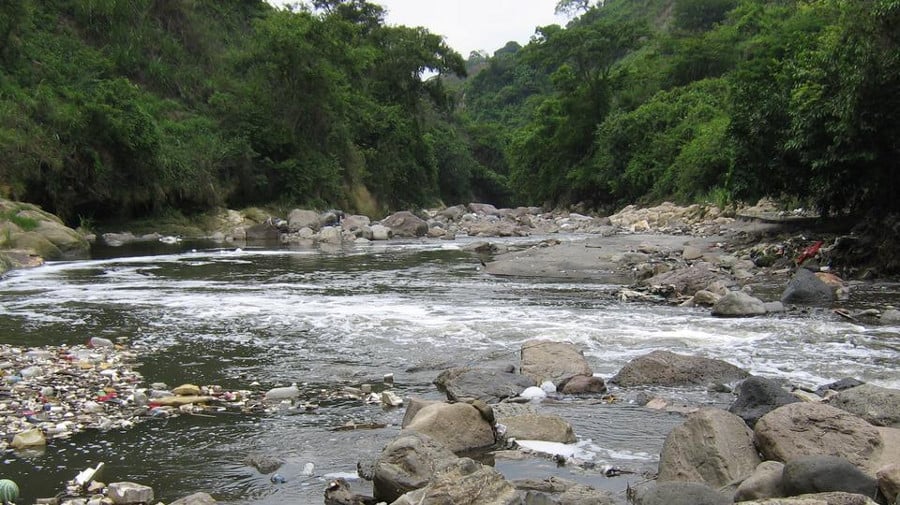
The Acelhuate River is not known for recreation. Instead, it shows the environmental challenges that urban rivers face. Wastewater, pollution, and runoff from the city have greatly harmed its water quality.
River Basins and Drainage Systems
A river basin is the area of land where rain and surface water flow into the same river or outlet. Learning about these areas helps us see how Salvadoran waterways are connected.
The Lempa River Basin
The Lempa River basin is the largest and most important watershed in El Salvador. It stretches into Guatemala and Honduras, linking many rivers and streams along the way.
In El Salvador, the basin provides water for hydroelectric plants, farms, and communities. When conditions change upstream, it can impact people living downstream too.
Other Major River Basins
In addition to the Lempa, El Salvador has other important river basins. These include the basins of the Paz, Jiboa, Rio Grande de San Miguel, and Goascorán rivers.
Each basin has its own geography, rainfall, and environmental issues. Managing these basins is important since what happens upstream can affect water supply and quality downstream.
Rivers That Flow into the Pacific Ocean
Most rivers in El Salvador flow into the Pacific Ocean, either on their own or by joining bigger rivers. Many coastal rivers cross farmland before they reach estuaries.
These river mouths create environments where freshwater and saltwater interact. Such areas can support mangroves, fish, birds, and other wildlife adapted to changing water conditions.
The Importance of Rivers in El Salvador
Rivers do much more than add beauty to the landscape. They provide essential services, help drive the economy, and support natural ecosystems that impact communities all over El Salvador, from rural farms to big cities.
Drinking Water and Agriculture
Rivers and their watersheds help sustain water supplies for households, agriculture, and livestock. Farmers rely on available water resources to grow crops, particularly when rainfall becomes limited.
Water availability also depends on groundwater, reservoirs, treatment systems, and seasonal conditions. Protecting river basins helps maintain these interconnected resources for surrounding communities.
Hydroelectric Power Generation
The Lempa River is important as it generates electricity through several hydroelectric facilities. Reservoirs and dams transform flowing water into energy for the national electrical grid.
One example is the February 3 Hydroelectric Dam, formerly known as El Chaparral, located on the Torola River. This facility contributes to the country’s renewable electricity production.

Biodiversity and Natural Ecosystems
Rivers provide habitats for fish, amphibians, birds, insects, and other wildlife. Vegetation along their banks offers shade, shelter, and important connections between different natural environments.
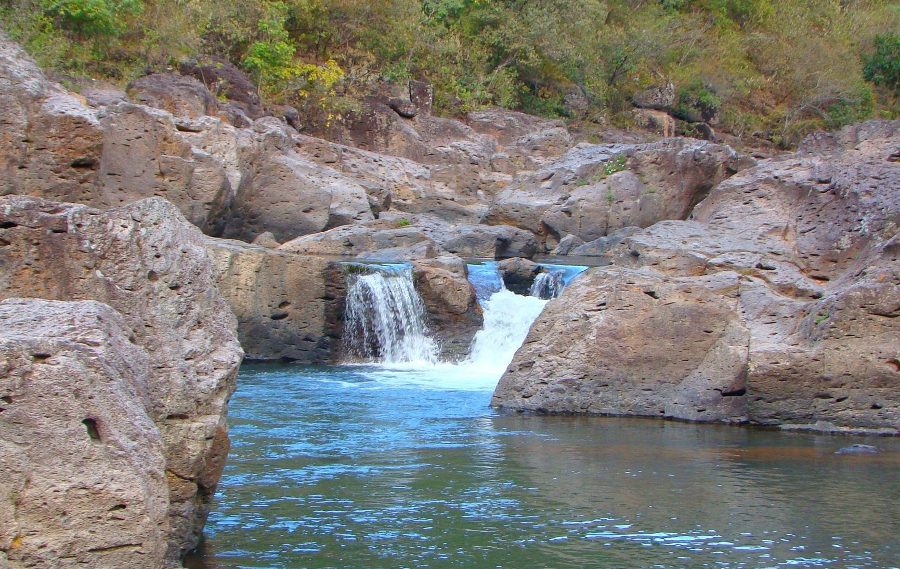
In northeastern El Salvador, the Sapo River in Morazán is known for its clear waters and forested surroundings. Its landscape highlights the ecological value of protecting natural river environments.
Rivers and Local Communities
In many Salvadoran communities, rivers play an important role in daily life. People rely on nearby water for farming, local businesses, and traditional gatherings with friends and family.
Rivers have shaped where people live, how they travel, and the stories of their communities. Many towns grew up near rivers because water made farming and other important activities possible.
Rivers and Tourism in El Salvador
El Salvador’s rivers give everyone a chance to discover natural landscapes that go beyond the country’s well-known beaches and volcanoes. Many of these rivers welcome visitors with places to swim, lush forests, and quiet countryside views.
Popular River Destinations
The Sapo River in Morazán offers pools, rocky formations, and surrounding forests. Its setting attracts visitors who enjoy spending time in nature.
Other rivers also draw local families, who often gather at easy-to-reach swimming spots, especially on weekends and holidays. Still, the conditions for recreation can change with water quality, rainfall, and how easy it is to get there.
River Activities and Outdoor Recreation
What you can do at the river depends on where you go. Visitors might swim, take nature walks, snap photos, or just relax by the water. Some rivers are also great spots for watching birds and other wildlife.
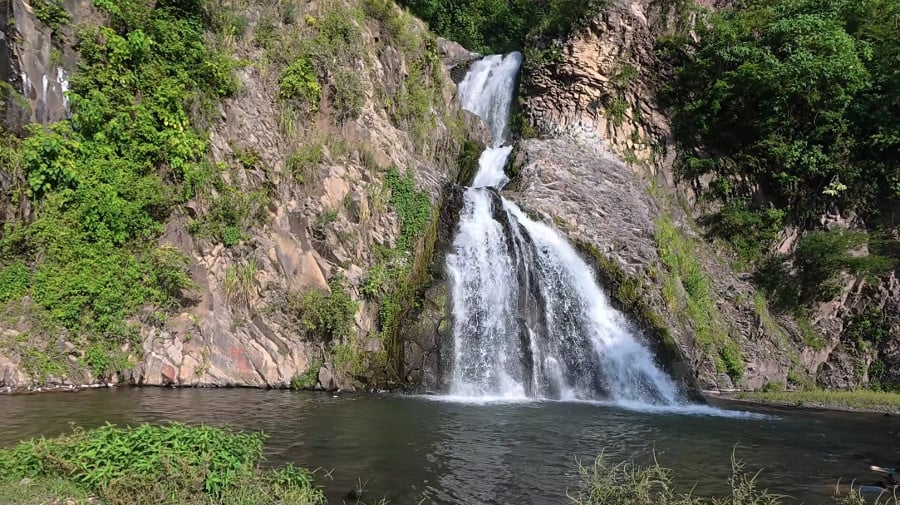
Rivers are often linked to other natural sights. If you like exploring freshwater places, you can also visit El Salvador’s waterfalls, where streams flow down mountains and past volcanic rocks.
River Safety and Seasonal Conditions
River conditions vary during the year, especially between dry and rainy seasons. When it rains heavily, water levels can rise quickly, currents get stronger, and flooding can become dangerous.
Before entering a river you don’t know, check the local conditions. Don’t swim after heavy rain, pay attention to warning signs, and keep in mind that even clear water isn’t always safe.
Environmental Challenges Facing Salvadoran Rivers
Salvadoran rivers are dealing with environmental problems due to urban development, agricultural activities, and land-use changes. Protecting them matters because the country depends on them.
When wastewater isn’t treated, factories release pollutants, farms let runoff flow, or waste isn’t thrown away properly, rivers can become polluted. This harms aquatic life and makes it harder for people to use water safely.
The Acelhuate River is an example of how growing cities can put stress on rivers. Across El Salvador, water pollution is a bigger issue that impacts both the environment and how water is managed.
Deforestation and Watershed Degradation
Forests and vegetation help protect riverbanks, absorb rainfall, and reduce soil erosion. When communities remove vegetation from watersheds, rainwater can carry more sediment into nearby rivers.
Protecting natural vegetation and restoring degraded areas can improve watershed conditions. These efforts also support wildlife habitats and help reduce some of the environmental damage associated with erosion.
Flooding, Droughts, and Water Conservation
El Salvador has a tropical climate with clear rainy and dry seasons that affect how rivers flow. Heavy storms can cause floods, and long dry spells can lower the amount of surface water.
By conserving water, protecting watersheds, and managing land responsibly, communities can get ready for these challenges. Healthy rivers also help farming, protect wildlife, and make sure there is enough water in the future.
Rivers in El Salvador
Rivers are important to El Salvador’s geography, economy, and natural environment. These waterways link communities and shape the country’s landscapes.
Rivers do more than provide water and electricity. They support wildlife, keep historical ties alive, and let people enjoy some of El Salvador’s most beautiful natural places.
Protecting rivers helps preserve their environmental and social value. Learning how Salvadoran rivers work can also help people appreciate the landscapes and communities that rely on them.