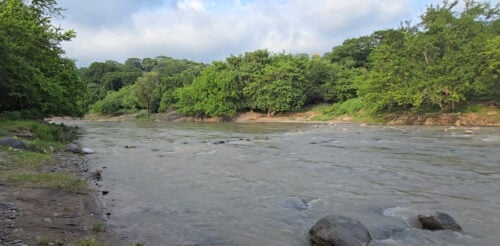
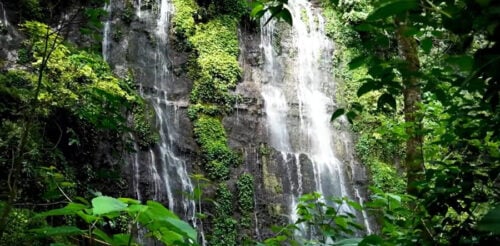
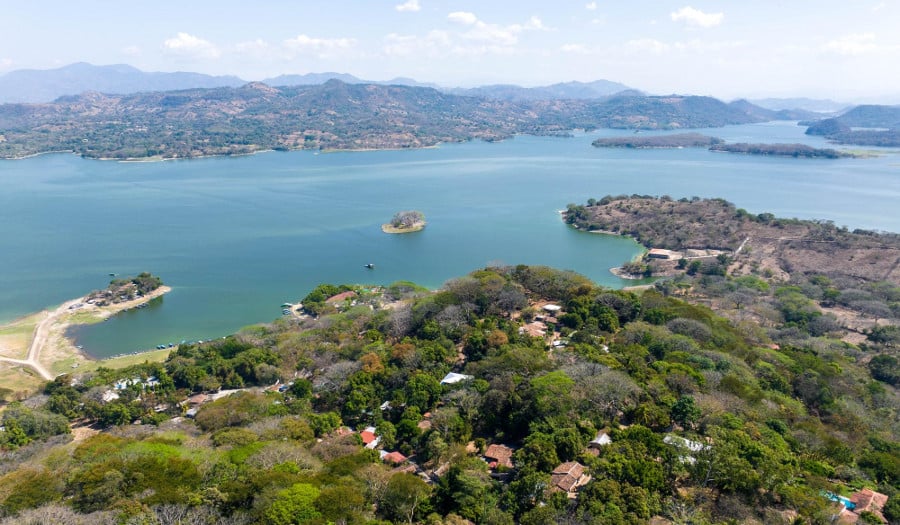
 Lempa River El Salvador — Lake Suchitlán.
The Lempa River El Salvador is the country’s longest and most important river, connecting mountains, valleys, farmland, and communities. Its waters support agriculture, electricity production, and ecosystems across the country.
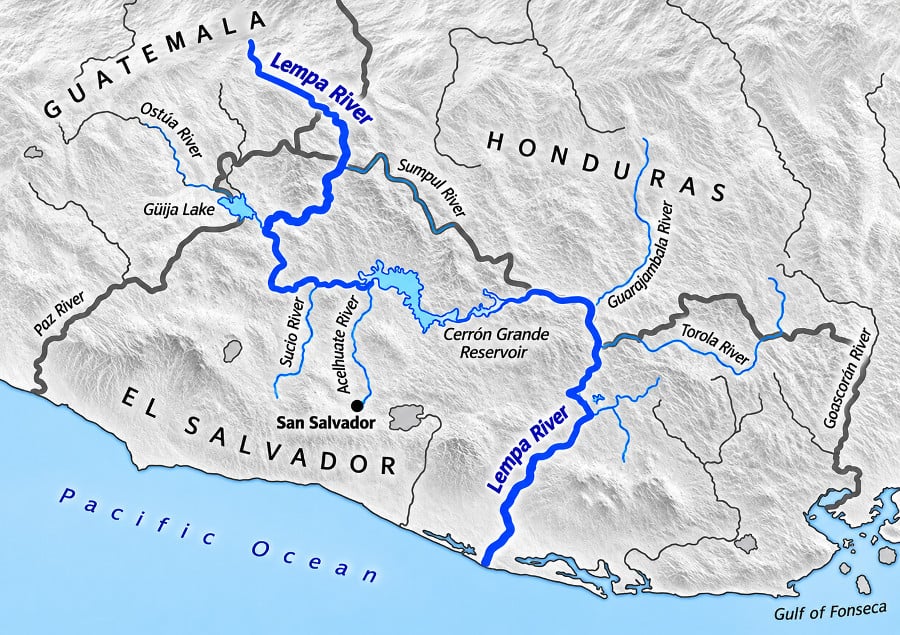
The river starts in Guatemala, flows through Honduras, and then travels across much of El Salvador before reaching the Pacific Ocean.
Of all the rivers in El Salvador, the Lempa is the largest and most important for the economy. It provides valuable resources and has shaped the land that many generations of Salvadorans have relied on.
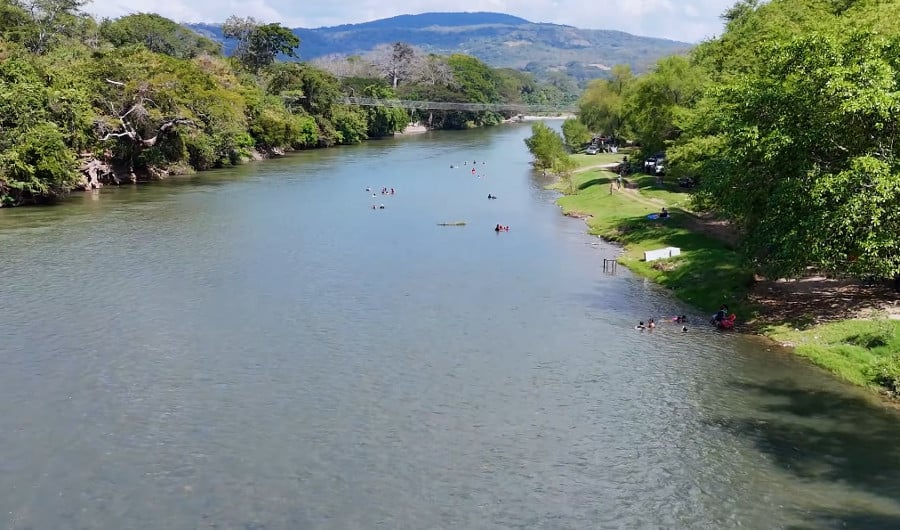
Where Is the Lempa River Located?
The Lempa River starts in Guatemala, passes through Honduras, and then flows into El Salvador before reaching the Pacific Ocean. Since most of the river runs through El Salvador, it is an important part of the country’s geography.
As it travels, the river moves through mountains, valleys, reservoirs, and farmland. Its water links these different areas and helps support the people living in the central and eastern parts of the country.
The Lempa River starts in the highlands of southeastern Guatemala, close to Olopa in Chiquimula. Its upper course is fed by several mountain streams.
From these highlands, the river flows toward Honduras. As it moves through the mountains, rainfall and smaller streams add to its flow.
The Lempa River’s Journey Through Guatemala, Honduras, and El Salvador
After flowing out of Guatemala, the Lempa passes through part of Honduras and then enters El Salvador. The river winds through valleys, farmland, and several large hydroelectric reservoirs.
As the river moves through El Salvador, tributaries from nearby watersheds join it. Together, they form a wide river system that helps support local communities and natural habitats.
The Lempa empties into the Pacific Ocean along El Salvador’s southern coastline, near the boundary between San Vicente and Usulután. Its final stretch crosses low-lying coastal plains.
Near its mouth, the river connects freshwater habitats with coastal ecosystems. Wetlands, vegetation, and surrounding agricultural lands make this area environmentally important.
Lempa River Facts and Geography
The Lempa River is about 422 kilometers long, and about 360 kilometers of it run through El Salvador. Its watershed spans roughly 18,000 square kilometers in Guatemala, Honduras, and El Salvador.
These geographical features make the Lempa El Salvador’s largest river system. Its extensive drainage basin collects rainfall from different regions and channels water toward the Pacific Ocean.
The Lempa River Basin and Its Tributaries
The Lempa gets water from several tributaries, such as the Sucio, Suquiapa, Torola, and Sumpul rivers. These rivers flow through mountains, valleys, farmland, and towns.
All these tributaries together create a connected watershed that provides water and supports local ecosystems. If something changes in one area, it can impact water conditions further downstream.
The Upper, Middle, and Lower Lempa River
The upper Lempa runs through mountains, where rain and smaller streams help shape the river. In the middle part, there are large reservoirs that produce hydroelectric power.
Further downstream, the river moves through lower areas and farmland before it reaches the coastal wetlands. Each part of the river has its own landscape, environment, and economic activities.
Lempa River’s Important to El Salvador
The Lempa River plays a key role in El Salvador by providing water for electricity, farming, and daily use. Its benefits reach many communities, not just those close to the river.
The river also helps with fishing, supports wildlife, and boosts the local economy. If its water were not available, many communities and key infrastructure would struggle.
The Lempa River provides water to many communities, including areas in the San Salvador metropolitan region. Before reaching homes, the water goes through treatment facilities and is then sent out through public water systems.
Keeping water clean is important since many people rely on it. Pollution, shifts in rainfall, and higher demand all make it harder to manage water resources.
Agriculture, Irrigation, and Fishing
Farmers in areas near the Lempa River use its water to irrigate their crops. This water is important for growing food and supporting rural communities.
Fishing is another source of food and income for families who live near reservoirs and rivers. These fishing activities rely on clean water and healthy aquatic life.
Hydroelectric Power Generation
The Lempa River is key to El Salvador’s hydroelectric system. Dams along the river use its water to produce electricity, which adds renewable energy to the country’s power supply.
Hydroelectric production depends partly on rainfall and reservoir levels. During periods of reduced water availability, electricity generation can face limitations that require careful management.
Hydroelectric Dams Along the Lempa River
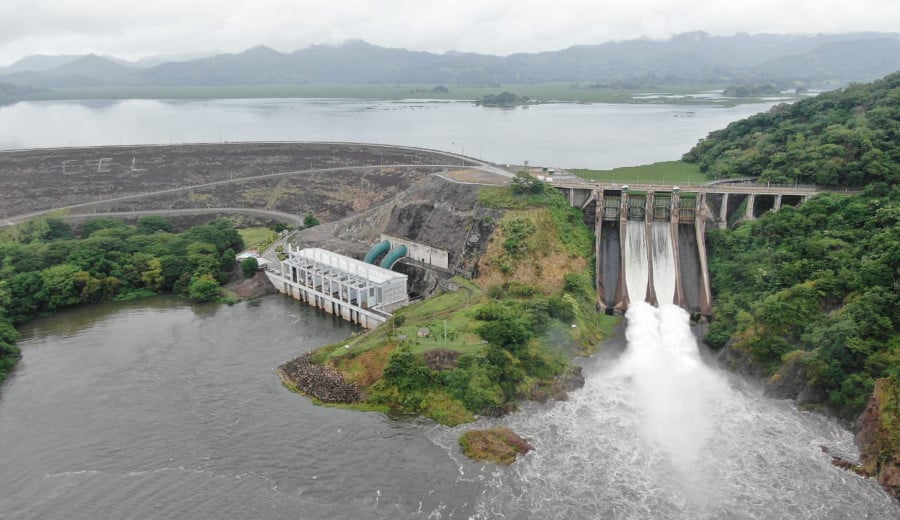
Several major hydroelectric dams operate along the Lempa, including Cerrón Grande, 5 de Noviembre, 15 de Septiembre, and 3 de Febrero. These facilities contribute electricity to El Salvador.
The dams also influence water storage, river flow, and surrounding ecosystems. Their reservoirs have transformed parts of the landscape while creating new opportunities for fishing and recreation.
Cerrón Grande Hydroelectric Dam
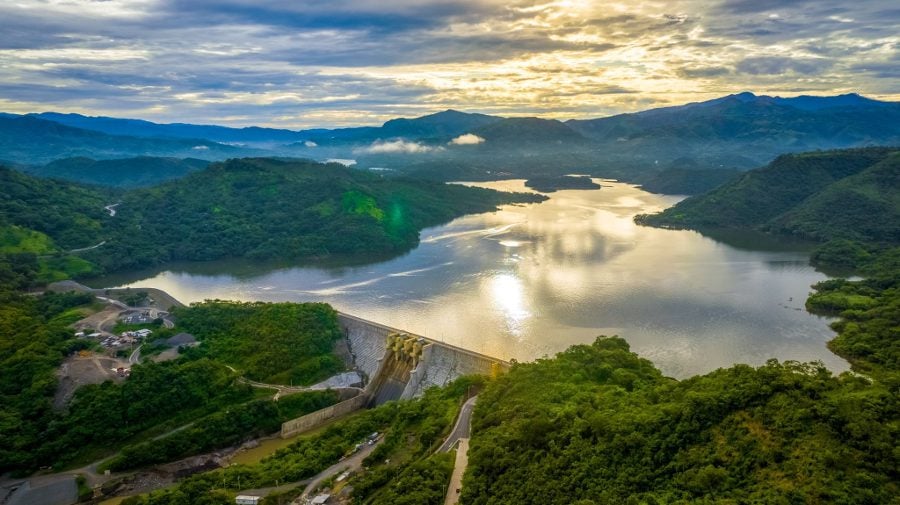
The Cerrón Grande Dam formed one of the largest reservoirs in El Salvador, known as Lake Suchitlán. It produces electricity and helps manage water in the river system.
The reservoir also supports fishing, birdlife, and recreation. Wetlands around it offer key habitats for wildlife and help maintain the area’s ecological diversity.
5 de Noviembre and 15 de Septiembre Hydroelectric Dams
The 5 de Noviembre and 15 de Septiembre dams use water from the Lempa River to produce electricity. These two facilities are key parts of El Salvador’s hydroelectric system.
These dams turn the river’s energy into electricity for homes and businesses. How the reservoirs are managed also affects water conditions downstream and the nearby environment.
3 de Febrero Hydroelectric Dam
The February 3 Hydroelectric Dam, formerly known as El Chaparral, contributes additional generating capacity to El Salvador’s hydroelectric system. It uses the Lempa River’s water to produce electricity.
The facility represents another stage in the country’s development of renewable energy infrastructure. Like other hydroelectric projects, its operation depends on available water resources.
Environmental Challenges Facing the Lempa River
The Lempa River faces problems like pollution, deforestation, and changes in how the land is used. These issues can harm the water, local ecosystems, and the people who live nearby.
To protect the river, institutions, communities, and nearby countries need to work together and plan for the long term. The health of the river depends on the environmental conditions across the whole watershed.
Water Pollution and Waste Management
Wastewater, agricultural runoff, and improperly managed waste can affect the Lempa’s water quality. Pollutants entering tributaries may eventually reach the river and its reservoirs.
These problems reflect broader concerns about water pollution in El Salvador. Improving wastewater treatment and waste management can help reduce contamination throughout the watershed.
Deforestation and Soil Erosion
When trees and plants are cleared from hillsides, soil erosion gets worse, especially when it rains heavily. The loose soil can then flow into nearby streams and build up in rivers and reservoirs.
Keeping forests healthy and planting new vegetation can help prevent erosion. These actions also give animals places to live and help the land hold onto water better.
Flooding, Drought, and Climate Change
Seasonal rainfall changes the Lempa’s water levels and can sometimes lead to flooding in low-lying communities. When storms are heavy, the river flow rises, and this can impact nearby farms.
Extended dry periods can reduce water availability for irrigation, communities, and electricity generation. Climate variability makes responsible watershed management increasingly important.
Protecting the Lempa River Watershed
Protecting forests, treating wastewater better, and managing farm runoff all help keep the Lempa healthy. It’s also important for communities to get involved in conservation.
Since the watershed covers parts of Guatemala, Honduras, and El Salvador, it’s important for these countries to work together. By sharing responsibility, they can better protect water resources that cross their borders.
Places to Explore Along the Lempa River
The Lempa River mainly supports the environment and economy, but there are also spots along the river where you can enjoy beautiful views, watch wildlife, and experience Salvadoran nature.
Reservoirs, wetlands, and rural communities each show a different side of the river. Visitors can enjoy these places and learn about their ecological and cultural value.
Lake Suchitlán and the Cerrón Grande Reservoir
Visitors exploring Lake Suchitlán near Suchitoto can enjoy reservoir landscapes, birdwatching, and boat excursions. The lake also supports fishing communities and small tourism businesses.
Its surrounding hills and wetlands create attractive scenery throughout the year. Water levels and weather conditions can influence the appearance of the landscape and available activities.

Natural Landscapes of the Lower Lempa
The lower Lempa has farmland, wetlands, and coastal areas. These places highlight how the river links inland towns to the Pacific Ocean.
Visitors interested in rural scenery can appreciate the region’s natural surroundings. However, access conditions vary, and some areas are better explored with local knowledge.
The Lempa River’s Lasting Importance to El Salvador
The Lempa River is vital for El Salvador’s water supply, farming, electricity, and natural habitats. Its waters connect communities all over the country.
Taking care of the river helps protect the resources Salvadorans use daily. Its reservoirs, wetlands, and nearby areas are also part of the country’s environmental and cultural heritage.
If you want to see more than the usual tourist spots, the Lempa River gives you a different view of El Salvador’s nature and connects beautiful places with daily life in the country.