La Laguna Botanical Garden offers more than just greenery—it’s a place where nature, family-friendly games, and relaxation come together, creating one of El Salvador’s most inviting urban escapes.
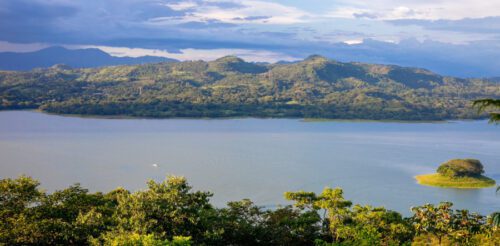
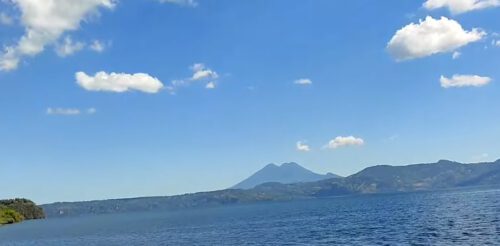
Located in Antiguo Cuscatlán, within La Libertad, the garden is situated within a volcanic crater formed over two millennia ago, blending geological history with present-day conservation and recreation.
Just 15 minutes from San Salvador, this lush refuge showcases the native flora and fauna of El Salvador’s highlands.
The crater’s story is fascinating. About 2,200 years ago, an eruption created the lagoon. After the 1873 earthquake, water receded, eventually leaving land adapted for today’s garden.
The Plan de la Laguna Botanical Garden was established in 1978. It serves multiple purposes: plant conservation, environmental education, and accessible recreation for families, students, and nature enthusiasts alike.
Things to Do
Explore Nature Trails: Visitors can explore trails lined with endemic plants and colorful flowers. Some species are rare in urban areas, making the collections both educational and visually striking.
Enjoy a Picnic: Families often bring food to enjoy picnics. Shaded tables and grassy areas make it easy to relax, share meals, and enjoy peaceful surroundings.
Relax and Chat: The shaded paths provide an ideal environment for conversation. Whether with family or friends, the natural setting invites calm discussions away from city stress.
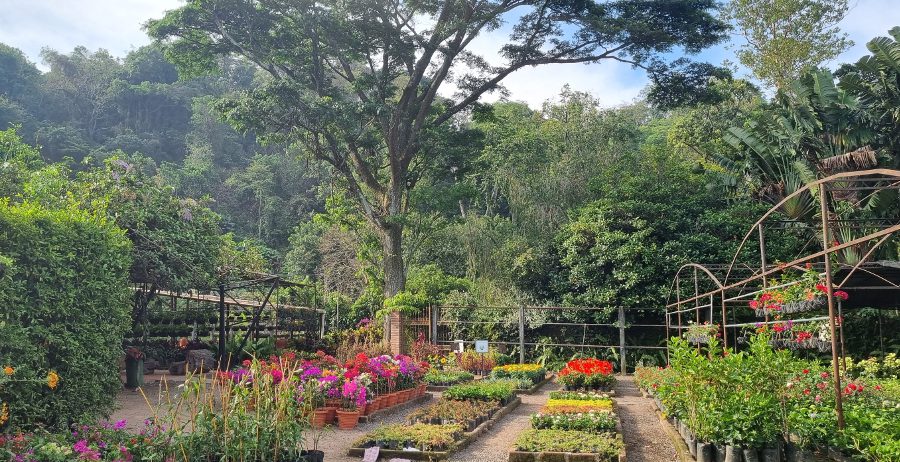
Stop at the Café and Nursery: Inside the nursery, visitors find a small café. It’s the perfect stop to sip coffee and recharge before continuing a leisurely exploration of the grounds.
Buy Plants to Take Home: For plant enthusiasts, the nursery offers a diverse selection of ornamental, fruit, and medicinal species. Many take home living reminders of their visit, enhancing the garden’s conservation mission.
Family Play Areas: Children especially enjoy the playground. Giant swings, slides, and bridges create fun spaces where kids can play while adults appreciate the surrounding greenery.
Wildlife Observation: Wildlife observation adds excitement. Ponds filled with fish and turtles, alongside deer and rodents similar to capybaras, bring extra curiosity for both children and adults.
Feed the Fish: Feeding fish in the ponds is a favorite activity. This hands-on interaction transforms a stroll through the gardens into a memorable, family-friendly adventure.
Plant Collections
The garden protects 32 living plant collections, carefully organized by type and use. These include tropical shrubs, fruit trees, ornamental plants, cacti, and succulents.
Orchids and Bromeliads: Orchids and bromeliads form one of the most striking collections. Their variety of shapes and colors makes them a highlight for both photographers and plant enthusiasts.
Medicinal Plants: Medicinal plants are another key section. Here, visitors learn about traditional Salvadoran herbal practices, connecting local culture with modern environmental education.
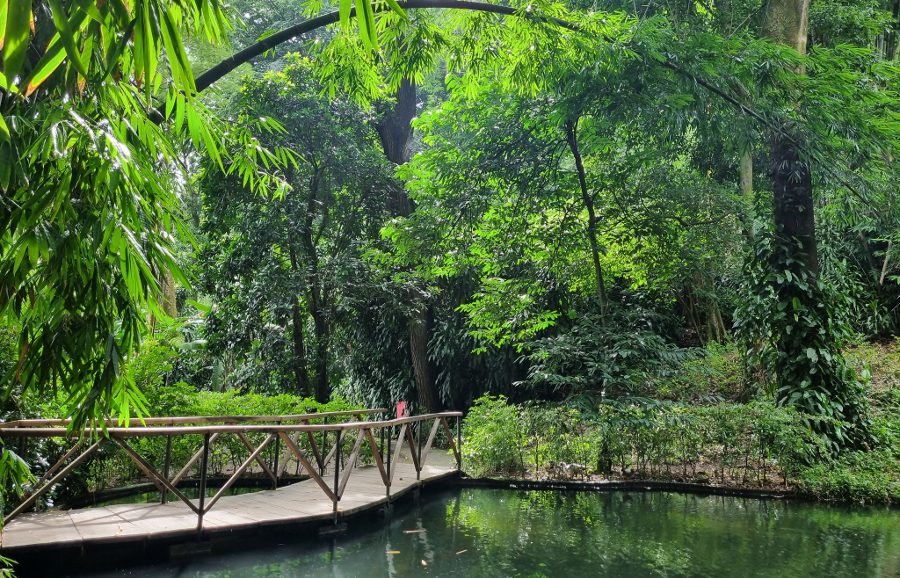
Aquatic Plants and Ecosystems: Aquatic plants fill ponds alongside turtles and fish. Water lilies, lotuses, and integrated ecosystems provide lessons on the balance of life in wetland habitats.
Wildlife and Pollinators: Birds, butterflies, and bees play active roles in pollination across the grounds. Their presence reminds visitors of the interconnectedness of flora and fauna.
La Laguna Botanical Garden Educational Value
Guided tours from schools, universities, and community groups enrich visits. Activities emphasize conservation, plant knowledge, and the urgent importance of environmental awareness in El Salvador.
The garden also supports worldschooling. Students and families can treat the site as an outdoor classroom, where nature itself provides lessons on biology, ecology, and sustainability.