
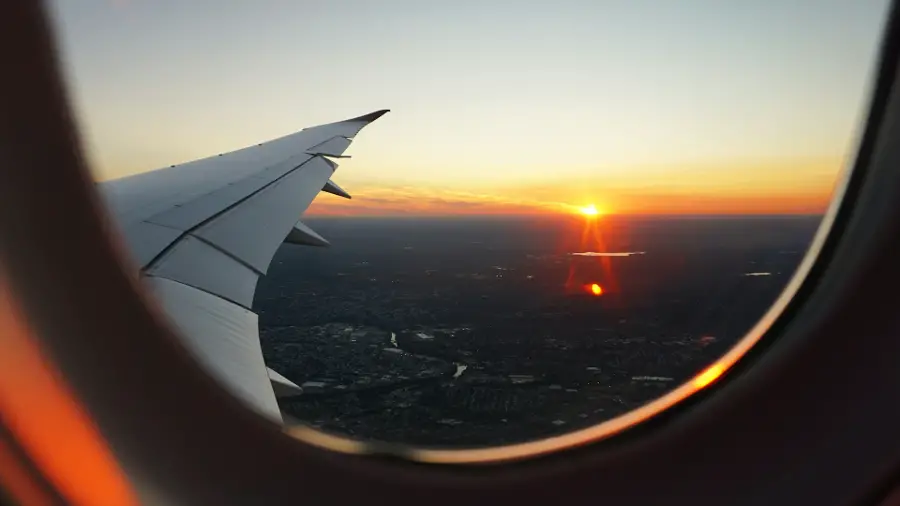
 Photo by
 Long-distance travel represents an exercise in not only reserving flights and packing bags, it also entails managing your possessions. A fraught consideration, what do you want to do with your things while you are away?
If you are going to be gone for months, or maybe a year, having a plan for personal belongings will keep your worries at bay and dome not have to worry about whether daytime action was safe, warm or participating in those moments of your travels.
Start with what you actually need in travel, and what can remain – like some furniture, important documents, or seasonal clothes. Without being there, you should feel comfortable having your things in a safe place, but your essential things need to be with you.
Sorting your belongings ahead of time will ultimately save time, cost if you need supplies or clothing and possibly worsen your anxiety.
When you finally leave, you feel great about your travel as mental time worrying about your home is reduced. It is much better to concentrate on your travel, the sights, sounds and food than constantly wondering what might be happening to your things.
Observation: I had a teacher that took a year abroad, in Japan, and she had well planned prep for ALL of her belongings; and was able to fully embrace every aspect of the journey once she arrived. She separated her personal belongings based on importance, she traveled light, she made sure of the safe insurance, and she stored valuables; she returned and the unpacking was easy; it was easy because she had a designated home for each personal item. The trip was about adventure, not worry, all due to her ability to manage her belongings in a smart, planned, safe way.
Preparing for Long-Term Travel
Preparing for long-term travel is a balance between excitement and careful planning. Beyond choosing destinations and booking accommodations, you need to decide what will happen to your belongings while you’re away.
Start by making a list of everything you own — from clothes and electronics to furniture and personal documents. This helps you see what’s truly essential and what can be left behind.
For most travelers, sorting belongings into categories such as “take,” “store,” and “donate” makes the process smoother. Pack only versatile, weather-appropriate clothing, and leave behind anything that adds unnecessary weight.
For valuables or sentimental items, safe and organized storage is key. Doing this early reduces last-minute stress and allows for a cleaner, lighter departure.
Myth vs reality: Many travelers believe they can just pack a suitcase and deal with the rest later. In reality, unplanned storage or rushed packing often leads to lost items, damage, or costly replacements. A few hours of preparation prevents months of inconvenience.
Deciding What to Keep or Store
When planning for long-term travel, my perspective is that simplicity brings freedom. The less you carry, the more you can focus on the experience itself rather than managing possessions. Start by evaluating your lifestyle and the length of your trip.
If you’re traveling for several months, prioritize practicality. Keep items that serve multiple purposes — like clothes that layer easily or gadgets with multiple functions. Sell or donate anything you haven’t used in the past year. For everything else, proper storage keeps it safe until you return.
The key is emotional detachment. Travel reminds us that memories matter more than material things. By choosing what to keep, store, or let go of, you create both physical and mental space to fully enjoy your adventure ahead.
Safe Storage Options for Travelers
Long-term travelers often face the challenge of finding a secure place for their belongings while away. Having a safe and organized storage plan ensures peace of mind and helps you avoid coming back to damaged or misplaced items.
What is the best way to store personal items during long trips?
Choose climate-controlled storage to protect sensitive items like electronics, wooden furniture, or documents from humidity and temperature changes. Use sturdy boxes and clear labeling to make unpacking easy later.
Where can I find reliable storage while traveling long-term?
Facilities such as peoria ave storage in Tulsa ok offer affordable, secure options for extended stays. They provide convenient access and climate protection, allowing travelers to keep items safe until they return.
How should I prepare my belongings before placing them in storage?
Clean and dry everything thoroughly to prevent mold or odor buildup. Wrap fragile items carefully and avoid stacking heavy boxes on top of delicate ones.
Proper storage planning ensures your belongings remain in perfect condition, ready for use the moment you return home.
Organizing for Easy Return
Returning from long-term travel should feel like a smooth transition, not an overwhelming chore. To make re-entry simple, use these quick, actionable steps:
- Label all boxes clearly by room or category.
- Keep important documents in a single folder.
- Store essentials near the front for easy access.
- Leave a list of stored items for quick reference.
- Use vacuum bags to save space on soft items.
Following these steps makes unpacking and settling back effortless.
Common mistakes to avoid: Rushing storage preparation, mixing fragile and heavy items, or forgetting to label boxes can cause damage or confusion later. Taking a few minutes to plan organization now ensures a smoother, stress-free return from your travels.
Avoiding Common Travel Mistakes
An Oregon-based freelance designer discovered just how much easier long-term travel can be with a little planning ahead of time! Prior to moving abroad for the year, she underestimated just how much she owned, and thought leaving everything home behind would be no issue at all. But a few months into the experience, she was consumed with worry about humidity damage to her furniture, and what would happen if she lost important documents. She went back home briefly, reorganized her belongings, and put into place a system. She sold items she knew she did not need (that always seemed to be in the way), boxed up anything of value into sealed containers, and had her personal things stored safely. It allowed her to feel better about her belongings when she traveled on her next adventure. With her personal belongings in order, she was focused and engaged in her work and travel instead of worrying about what was going back home.
As this example illustrates, dealing with your belongings before embarking on long-term travel is just as important as planning the trip! When you are organized, stored securely, and ready with a simple checklist, you can eliminate unnecessary stress and costly errors.
Summary takeaway: Proper planning for long-term travel will help ensure that your belongings are safe, organized and retrievable. Sell off what you do not use those items now and simply take label a box to securely store what is valuable, for you and your family. You will be less worried and save time simply by establishing an organized system for your personal belongings. Good preparation will pay off not only for your items of value but your peace of mind – because you will not be distracted by anything that holds your attention back.
Living Freely with Peace of Mind
Managing personal items during long-term travel gives you freedom to focus on new experiences, not old worries. A well-planned system keeps your possessions safe, your space organized, and your return effortless.
The smart way to manage personal items during long-term travel is to plan, store wisely, and let go of what no longer serves you. Doing so opens the door to stress-free adventures and a lighter, more intentional way of living wherever your journey takes you.