
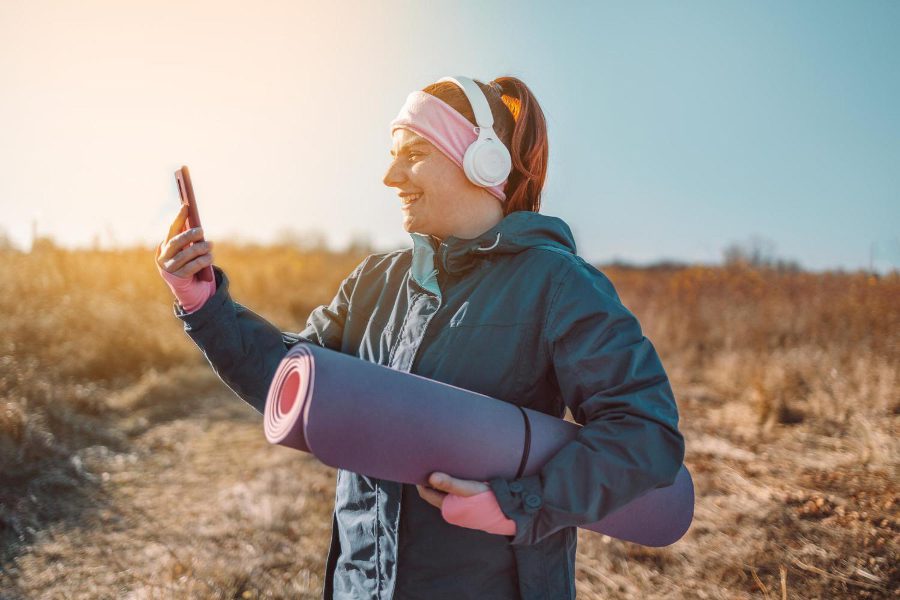
Travel has always been associated with discovery, excitement, and the joy of experiencing new places. Whether wandering through historic streets, hiking along coastal cliffs, or exploring vibrant local markets, travelers often spend long days on their feet absorbing everything a destination has to offer.
In recent years, however, a new travel trend has emerged: the blending of adventure with wellness. Many travelers are becoming more conscious about maintaining physical and mental well-being while on the road. Instead of viewing travel as a break from healthy habits, they now look for ways to integrate self-care into their journeys.
This shift reflects a broader cultural movement toward mindful living, one that encourages people to care for their bodies even while exploring unfamiliar places.
The Rise of Wellness-Focused Travel
The concept of wellness tourism has grown rapidly over the past decade. Travelers increasingly seek experiences that support relaxation, physical activity, and emotional balance.
Destinations known for natural beauty, outdoor recreation, and peaceful environments have become particularly appealing to wellness-minded visitors. Coastal regions, mountain landscapes, and nature reserves provide opportunities for hiking, surfing, and exploring the outdoors.
These activities are rewarding but can also be physically demanding. Long walks, climbing trails, and navigating new cities often place strain on muscles that may not be accustomed to such levels of activity.
As a result, many travelers are becoming more intentional about recovery and self-care during their trips.
Staying Active While Exploring
One of the reasons travel can feel both exhilarating and exhausting is the sheer amount of movement involved. Unlike daily routines at home, travel days often include hours of walking, climbing stairs, and standing in lines.
For travelers exploring vibrant destinations filled with cultural landmarks, beaches, and scenic viewpoints, physical activity quickly adds up. What might start as a relaxed sightseeing day can easily turn into ten or more miles of walking.
While this level of activity can be beneficial, it also requires attention to hydration, rest, and recovery.
Stretching in the morning, staying hydrated throughout the day, and scheduling moments of rest between activities can help maintain energy levels during busy travel itineraries.
The Importance of Recovery
Recovery is an often-overlooked aspect of travel wellness. When people push their bodies without allowing adequate time for rest, fatigue and muscle discomfort can reduce the enjoyment of a trip.
Simple recovery practices can make a noticeable difference. Gentle stretching in the evening, relaxing walks along the beach, or spending time in natural settings can help the body reset after a day of activity.
Many travelers also pack small wellness items that support relaxation and muscle recovery. These tools are easy to carry and can be incorporated into evening routines after long days of exploration.
For example, topical wellness products such as CBD roll ons are sometimes used by travelers who want a portable option for applying soothing formulas to areas that feel tense after hours of walking or physical activity. Products like these have gained attention among people who prioritize wellness while maintaining active lifestyles.
Mindful Travel Experiences
Beyond physical recovery, wellness travel also emphasizes mental balance. Being in unfamiliar environments can be exciting, but it can also become overwhelming if schedules are packed too tightly.
Mindful travel encourages a slower pace that allows visitors to truly absorb their surroundings. Rather than rushing between attractions, travelers may choose to spend more time in fewer places.
This approach often leads to deeper cultural experiences. Sitting in a local café, watching the rhythm of daily life unfold, or enjoying a sunset over the ocean can be just as meaningful as visiting famous landmarks.
Mindfulness practices such as meditation, journaling, or simply disconnecting from digital devices can also enhance travel experiences by encouraging presence and reflection.
Connecting With Nature
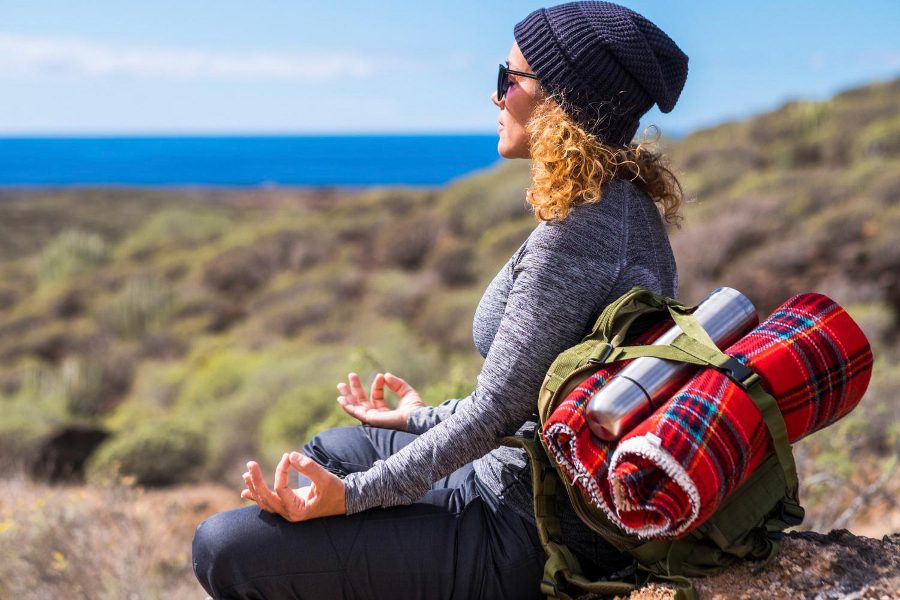
Natural landscapes play a powerful role in wellness travel. Coastal areas, forests, and mountains offer environments that help people reconnect with nature and step away from the pressures of daily life.
Activities like swimming, surfing, hiking, or kayaking combine physical movement with natural scenery, creating experiences that support both mental and physical well-being.
Many travelers report that spending time outdoors during their journeys leaves them feeling refreshed and re-energized. Fresh air, sunlight, and open landscapes can have a calming effect that contrasts with the fast pace of urban environments.
These experiences highlight how travel can serve as both an adventure and a form of renewal.
Creating Sustainable Travel Habits
Another emerging aspect of wellness-focused travel is sustainability. Travelers are increasingly aware of how their journeys affect the environment and local communities.
Choosing eco-friendly accommodations, supporting locally owned businesses, and respecting natural ecosystems are becoming more common priorities among responsible travelers.
Sustainable travel habits also contribute to personal well-being. Slower travel, longer stays in fewer locations, and deeper engagement with local culture often lead to more meaningful experiences.
Rather than rushing through a destination, travelers can appreciate its atmosphere and traditions in a more authentic way.
Finding Balance on the Road
Ultimately, wellness travel is about balance. Adventure and exploration remain at the heart of travel, but they are complemented by practices that support physical comfort and emotional well-being.
By paying attention to hydration, rest, recovery, and mindfulness, travelers can maintain energy levels throughout their journeys. Small routines, such as stretching after a long walk or taking quiet moments to reflect, can make a trip feel more sustainable and enjoyable.
This balanced approach allows people to fully appreciate their surroundings without becoming overwhelmed by fatigue.
Travel offers an opportunity not only to see new places but also to reconnect with personal well-being. When exploration is combined with thoughtful self-care, journeys can become both exciting and restorative.
According to the Global Wellness Institute, wellness tourism continues to grow worldwide as more travelers seek experiences that support health, relaxation, and personal renewal. This trend highlights the growing desire to integrate well-being into every aspect of life, including the way people travel.
By embracing both adventure and mindfulness, travelers can create journeys that nourish the body, calm the mind, and leave lasting memories long after the trip has ended.