
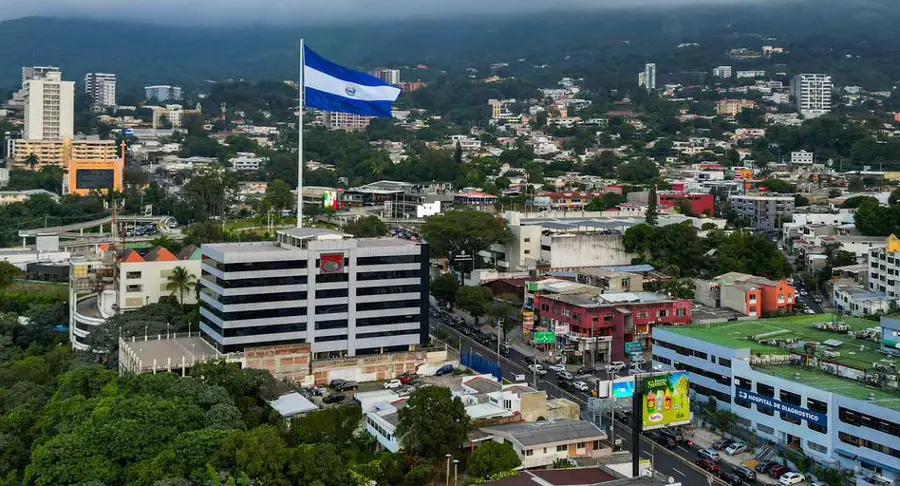
 San Salvador, El Salvador Capital City.
For millions of Salvadorans living abroad, understanding the best way to send money to El Salvador is more than just a financial decision—it’s a lifeline for families depending on those remittances. With over 3 million Salvadorans living outside their home country, the choices you make about how you transfer money can significantly impact how much your loved ones actually receive.
In 2025, El Salvador received over $8 billion in remittances, yet many senders still don’t know they’re overpaying through outdated methods or unnecessary fees. This guide breaks down the most reliable, cost-effective, and fastest options for the best way to send money to El Salvador, so you can make informed decisions that keep more money in your family’s hands.
Why Finding the Right Transfer Method Matters
Before diving into the options, it’s important to understand why this choice matters so much. When you send $100 home through an inefficient channel, your family might only receive $92 due to exchange rate markups and fees. Over a year, those small losses add up to hundreds of dollars—money that could go toward education, healthcare, or emergency needs.
The Central Reserve Bank of El Salvador (BCR) tracks remittance flows closely because they represent nearly 8% of the country’s GDP. Yet despite their economic importance, many Salvadorans abroad continue using expensive traditional methods out of habit rather than informed choice.
Understanding the best way to send money to El Salvador means weighing four key factors:
- Transfer fees – What does the service charge per transaction?
- Exchange rates – Are you getting a fair conversion rate, or is the company marking it up?
- Speed – Do you need the money within hours, or is next-day delivery acceptable?
- Accessibility – Can your family receive the money easily where they live?
Method 1: International Wire Transfers (Traditional Bank-to-Bank)
Best for: Large amounts ($500+) or when you need maximum security
Bank-to-bank wire transfers remain one of the most traditional ways to send money internationally, and they’re still reliable for getting money to El Salvador quickly and securely.
How it works: You initiate a wire transfer through your bank with your family member’s bank account details in El Salvador. The money typically arrives within 1-3 business days, and both banks record the transaction officially.
Pros:
- Highly secure and traceable
- Good for large amounts
- No maximum transfer limits
- Both parties have official documentation
Cons:
- High fees (typically $15-50 per transfer)
- Unfavorable exchange rates with bank markups
- Slower than digital alternatives
- Requires both sender and receiver to have bank accounts
Cost example: Sending $200 = approximately $230-240 received (after $20-30 in fees and exchange rate markup)
When to use it: Bank wire transfers work well when you’re sending a substantial amount and speed isn’t critical. If your family has a reliable bank account and you prioritize security, this is still a solid option, though it’s not the most economical choice anymore.
Method 2: Money Transfer Services (MoneyGram, Western Union, Ria)
Best for: Families without bank accounts or those needing cash pickup within hours
Money transfer services have dominated the remittance market to El Salvador for decades because they offer something banks don’t: cash pickup at local locations without requiring a bank account.
How it works: You pay at a physical location (or online) and provide your family member’s name. They walk into a partnering location in El Salvador—often a small shop, supermarket, or dedicated office—and pick up cash within minutes or hours.
Pros:
- No bank account required for receiver
- Fast cash access (minutes to hours)
- Widely available pickup locations throughout El Salvador
- Simple process
- Good for sending smaller amounts regularly
Cons:
- Very high fees ($5-15 per transfer depending on amount)
- Poor exchange rates
- Receiver must travel to pickup location
- Less secure for large amounts
- Higher per-dollar cost than digital alternatives
Cost example: Sending $100 = approximately $88-92 received (after fees and exchange rate markup)
When to use it: If your family doesn’t have a bank account and needs emergency cash quickly, money transfer services are still the most accessible option. However, if your family has banking access, you’re paying a premium for convenience you might not need.
Method 3: Digital Money Transfer Apps (Wise, OFX, Remitly, PayPal)
Best for: Regular senders who want competitive exchange rates and low fees
Digital money transfer services have revolutionized how Salvadorans abroad send money home. These platforms offer the best way to send money to El Salvador for cost-conscious senders who have access to smartphones and online banking.
How it works: You download an app or use a website, link your bank account or card, and transfer money to your family member’s bank account in El Salvador. The money arrives within 1-3 business days with real-time tracking.
Pros:
- Lowest fees (typically $1-5 per transfer)
- Real exchange rates with minimal markup
- Transparent pricing (you see exactly what you’ll pay upfront)
- Can set up recurring transfers
- Mobile app accessibility from anywhere
- Fast processing (same-day or next-day)
Cons:
- Receiver needs a bank account
- Slightly slower than cash pickup services
- Requires internet connectivity
- Some services have minimum/maximum transfer limits
Cost example: Sending $200 = approximately $195-198 received (minimal fees and fair exchange rates)
Digital services broken down:
Wise (formerly TransferWise)
- Fee structure: Flat fee + exchange rate markup
- Speed: 1-2 business days
- Exchange rate: Mid-market rates (closest to real value)
- Best for: Regular senders, larger amounts
- Reputation: Excellent, very transparent
Remitly
- Fee structure: Fixed fee per transfer
- Speed: Same-day to next-day options
- Exchange rate: Competitive
- Best for: Smaller regular transfers
- Reputation: Very good, very user-friendly
OFX
- Fee structure: Low flat fee + small markup
- Speed: 1-2 business days
- Exchange rate: Competitive
- Best for: Larger amounts, regular senders
- Reputation: Excellent, especially for larger transfers
PayPal International
- Fee structure: Higher percentage-based fees
- Speed: 1-3 business days
- Exchange rate: Marked up significantly
- Best for: Emergency situations where PayPal account already exists
- Reputation: Convenient but expensive
Method 4: Cryptocurrency and Digital Wallets (Bitcoin, Stablecoins)
Best for: Tech-savvy senders and receivers who want nearly instant transfers
El Salvador’s unique position as the first country to adopt Bitcoin as legal tender makes cryptocurrency an interesting option, though adoption remains limited among traditional populations.
How it works: You purchase cryptocurrency (Bitcoin, USDT, or other stablecoins), send it to your family member’s digital wallet, and they exchange it locally for USD or use it directly.
Pros:
- Extremely fast (minutes)
- Very low fees (often under $1)
- No intermediaries needed
- Works 24/7, no banking hours restrictions
- Borderless and censorship-resistant
Cons:
- Requires both parties to understand cryptocurrency
- Cryptocurrency exchanges are limited in El Salvador
- Price volatility (if using Bitcoin)
- Not suitable for non-tech-savvy family members
- Regulatory changes (El Salvador modified Bitcoin law in 2025)
- Limited adoption among general Salvadoran population
Cost example: Sending $100 in stablecoins = approximately $99-99.50 received (minimal fees)
Current reality in El Salvador: While El Salvador made headlines in 2021 by adopting Bitcoin as legal tender, the reality on the ground is different. As of 2025, less than 5% of Salvadorans have used Bitcoin, and the government modified the Bitcoin Law in January 2025, making its use optional rather than mandatory. Cryptocurrency works best only if your family member is already comfortable with digital wallets.
Method 5: Hawala and Informal Transfer Systems
Best for: Senders without bank accounts or those in remote areas with limited formal banking
Hawalas are informal money transfer systems that operate through a network of trusted agents, often used in regions where formal banking is limited.
How it works: You give money and instructions to a local agent (often a shop owner or trusted community member). They contact a counterpart in El Salvador who delivers the money to your family. No physical money crosses borders—only the message.
Pros:
- Works for people without bank accounts
- Often available in immigrant communities
- Can be very fast
- Lower fees than some formal services
Cons:
- No official regulation or documentation
- Risk of fraud or miscommunication
- No consumer protection
- Not recommended for large amounts
- Less transparent than formal methods
- Limited traceability if problems occur
When to use it: Hawala systems are fading as digital alternatives become more accessible. Only consider this if you have absolutely no access to digital services or bank accounts—which is increasingly rare.
Comparing All Methods: Quick Reference Table
| Method | Speed | Fees | Exchange Rate | Bank Account Needed (Receiver) | Best For |
| Bank Wire | 1-3 days | $15-50 | Poor | Yes | Large, secure transfers |
| Western Union/MoneyGram | Minutes-hours | $5-15 | Poor | No | Emergency cash, no bank account |
| Wise | 1-2 days | $1-5 | Excellent | Yes | Regular senders, best rates |
| Remitly | Same-day to 2 days | $2-6 | Very good | Yes | Smaller regular transfers |
| OFX | 1-2 days | $5-15 | Very good | Yes | Large amounts, great rates |
| Cryptocurrency | Minutes | <$1 | N/A | Yes (digital wallet) | Tech-savvy senders |
| Hawala | Hours-1 day | Variable | N/A | No | Informal networks only |
Finding the Best Way to Send Money to El Salvador: Our Recommendation
After analyzing all options, here’s the straightforward answer: the best way to send money to El Salvador depends on your specific situation.
If your family has a bank account: Use Wise or Remitly. These services offer the lowest fees and fairest exchange rates. You’ll save 5-10% compared to traditional methods, which adds up significantly over time.
If your family doesn’t have a bank account: Use Western Union or MoneyGram. Yes, fees are higher, but it’s still the most accessible option for cash pickup. Consider encouraging your family to open a basic bank account so you can eventually switch to digital services.
If you’re sending large amounts ($1,000+): Use OFX or Wise for large transfers. The slightly higher fees on OFX are offset by better exchange rates on large amounts.
If you need money delivered immediately: Western Union/MoneyGram for cash, or Wise/Remitly if they have a bank account (same-day options available).
If you’re tech-savvy and your family is too: Consider cryptocurrency with stablecoins to minimize fees and maximize speed, though this remains niche in El Salvador.
How Much Can You Save by Choosing Wisely?
Let’s illustrate the real impact of choosing the best way to send money to El Salvador:
Scenario: Sending $200 monthly ($2,400 annually)
- Bank Wire: Family receives ~$172/month = $2,064/year (lost $336)
- Western Union: Family receives ~$185/month = $2,220/year (lost $180)
- Wise: Family receives ~$195/month = $2,340/year (lost $60)
- Savings by using Wise: $276/year vs. bank wire | $180/year vs. Western Union
Over 5 years, switching from Western Union to Wise saves your family nearly $900. That’s real money that could go toward education, healthcare, or building savings.
Tips for Maximizing Your Money Transfers
- Set up recurring transfers: Most digital services offer discounts for automatic monthly transfers.
- Monitor exchange rates: If timing is flexible, wait for favorable exchange rates before sending large amounts.
- Combine methods strategically: Use digital services for regular support, Western Union for emergencies.
- Encourage banking: Help family members open bank accounts so you can access better digital options.
- Compare fees upfront: Before each transfer, check 2-3 services to ensure you’re getting the best rate that day.
- Use formal channels: Avoid cash-based informal transfers for amounts over a few hundred dollars.
- Keep records: Document all transfers for tax purposes and to ensure accuracy.
El Salvador’s Remittance Future: What’s Changing
El Salvador’s relationship with remittances is evolving. As the country continues to modernize its financial infrastructure and increase banking access, digital transfer methods will become even more dominant. The BCR’s data shows that while traditional cash-based transfers still represent the majority, digital alternatives are growing rapidly.
By 2026, expect more competition among digital providers, potentially driving fees even lower. Additionally, increased mobile banking adoption in rural El Salvador will make digital transfers accessible to more families, reducing dependence on cash pickup services.
Conclusion: Make the Informed Choice
Finding the best way to send money to El Salvador isn’t about using a single “perfect” method—it’s about understanding your options and choosing the one that fits your family’s specific needs, while keeping costs low and security high.
The Salvadoran diaspora works hard for every dollar they send home. By choosing an efficient transfer method, you ensure that more of your money reaches your family exactly as intended. Whether you choose Wise for its unbeatable rates, Western Union for its accessibility, or any method in between, the key is making an informed decision rather than defaulting to whatever you’ve always used.
Your family deserves the most efficient transfer possible. Now you know how to deliver it.