
The landscapes of El Salvador create vivid contrasts that pull travelers toward the country’s waterfalls. Rock formations, dense forests, shifting light, and powerful water movement give photographers a rare mix of drama and texture. Each region shapes a different visual style, so visiting more than one area adds depth to any collection.
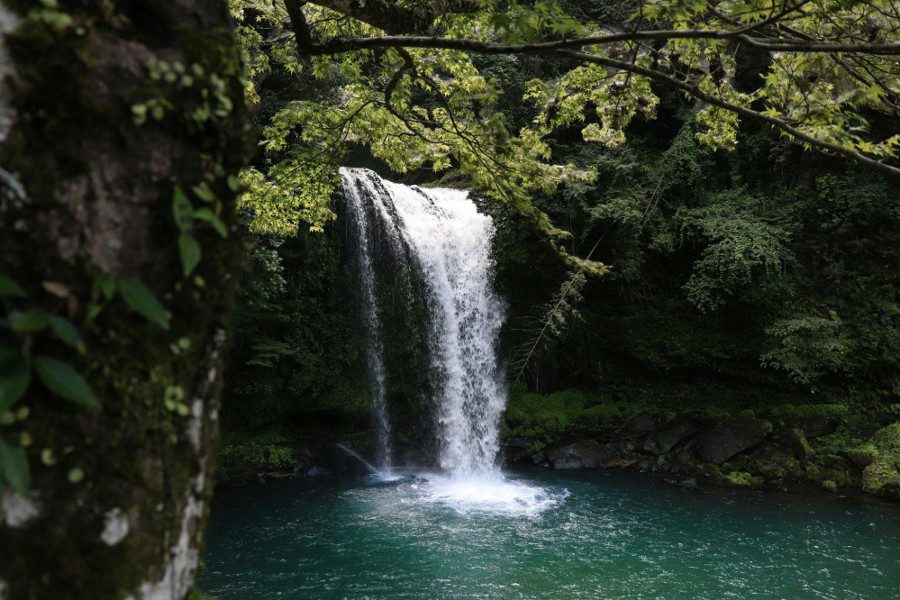
Some explorers pause for a short digital break between routes. A quick moment in a mine island game app keeps the mind light before a return to natural views that feel anything but digital. The shift from a screen to a canyon or river trail heightens the sense of discovery and sharpens the eye for detail.
Los Tercios (Suchitoto)
Basalt columns form the backbone of this unusual waterfall. The rock patterns resemble geometric carvings, and the scenes change depending on the season. Strong water flow highlights vertical lines in the basalt, while drier months reveal the structure in full detail. Suchitoto sits nearby, so visitors often combine the waterfall with a walk through the town’s historic center.
Key features that help photographers capture stronger shots include:
- Tall basalt walls with natural symmetry
- Textured surfaces that contrast with flowing water
- Tight angles that emphasize geometric repetition
- Open sections that allow wide shots when water levels drop.
These elements offer different results across the year. Bright midday light strengthens the visibility of the rock shapes, while softer light reveals layers and subtle shadows. The path down to the waterfall stays short, so visitors have time to experiment with different viewpoints.
Las Siete Cascadas (Juayúa)
This multi-level route near Juayúa creates a dynamic environment for photography. The cascades fall through varied terrain, and each level offers fresh compositions. Rock surfaces, clear pools, and dense foliage frame the water without requiring long detours. Local guides lead visitors through sections that reveal different textures and angles, and the changing terrain keeps the experience active without overwhelming effort.
Best Angles & Light Conditions
Early morning brings cooler tones and softer shadows across the cascades. Upper pools provide strong reflections, while lower levels offer layered perspectives. Sides of the trail overlook drops that create natural framing elements. The strongest images often come from spots where the water flow appears smooth against the rougher rock.
Tamanique Waterfalls (La Libertad)
Tamanique delivers a more dramatic setting. Steep canyon walls rise around a deep pool, and the main waterfall cuts cleanly into the landscape.
The contrast between light above and shadows below adds definition, and a few areas along the descent open into sweeping views that reinforce the sense of scale. Water color shifts from bright green in some seasons to darker tones during heavier rainfall, so each visit reveals a slightly different mood.
Practical Tips
A steady pace helps on the steeper parts of the trail. Sturdy shoes reduce slips on smooth rocks near the pools. Local guides help find the safest access points and often know the corners that feel hidden from the main trail.
The route changes after heavy rains, so checking recent conditions protects the experience. The canyon traps heat during midday, so early hours create a more comfortable environment.
Other Photogenic Waterfalls Worth Visiting
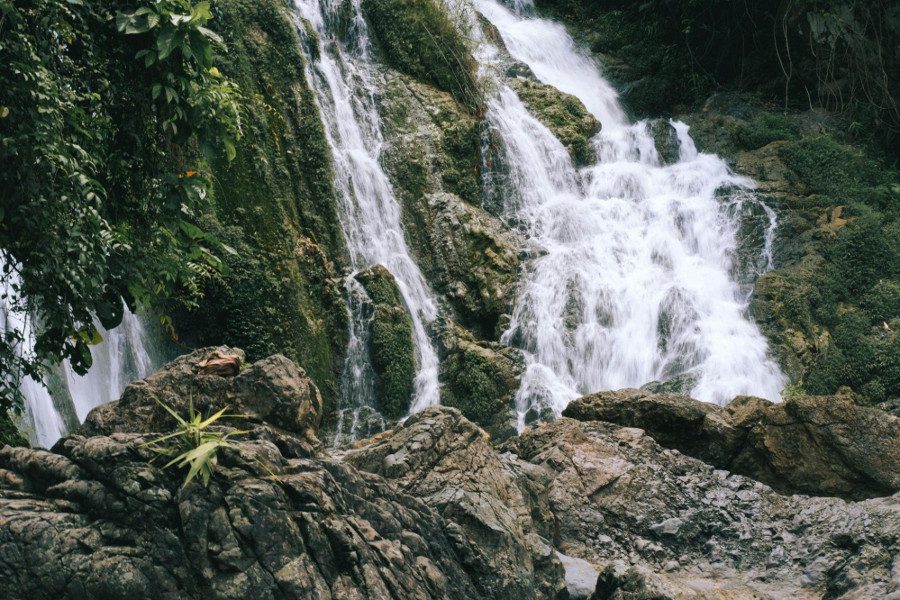
Some areas reveal a strong visual appeal without long trails. The locations below expand the variety of textures and colors found in different regions.
Chorros de la Calera (Juayúa)
Clear pools form a natural focal point. Water slips across smooth rock, and the surrounding greenery creates a balanced scene. The area feels open enough for wider shots while still giving close-range details.
El Salto de Malacatiupán
Warm water rises from underground sources before dropping into a pool. The heat creates pockets of steam that drift across the surface. These conditions give photographers a chance to capture effects that differ from standard cold-water falls.
Echoes of the Falls
Waterfalls across El Salvador deliver scenes shaped by geology, forest cover, and varying light. Las Siete Cascadas suits travelers who enjoy exploring layered terrain. Tamanique’s canyon provides scale and contrast. Los Tercios stands out because its basalt walls resemble careful stonework.
Other waterfalls fill the gaps with clear pools, unusual water temperatures, and distinctive color shifts. The diversity across regions encourages visitors to experience more than one location, and each site offers a chance to create images that reflect the character of the landscape rather than a single style.