
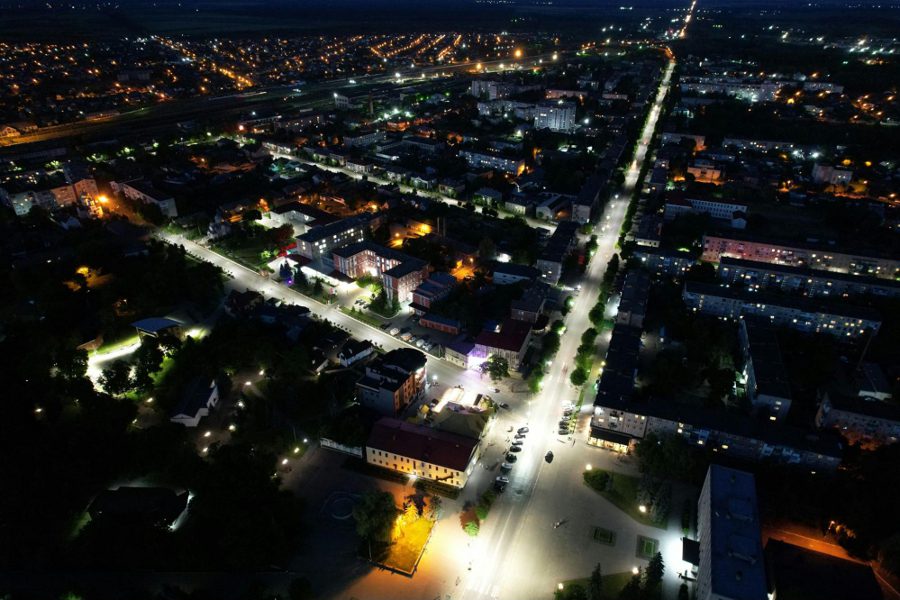
As the sun sets over San Salvador, the city begins to shift in ways that are hard to ignore. For years, fear kept people indoors after dusk, and many neighborhoods emptied out as night fell. Now, central districts once marked by caution come alive with activity and energy.
Residents and visitors alike are noticing streets that feel safer, public spaces that are busier, and a new sense of possibility in the air after dark.
These changes raise important questions about what’s behind the transformation and how people are experiencing San Salvador at night.
This article looks at how the city’s nighttime atmosphere has evolved—and why so many are paying attention to what happens after sunset.
Every night draws a different crowd—and locals take note
As dusk settles, the atmosphere in San Salvador’s busiest neighborhoods starts to shift quickly. Streets that once felt deserted now fill with people moving through plazas, parks, and lively avenues.
Locals gather in familiar spots to chat, watch passersby, and notice how the crowd has changed. Public spaces that used to be nearly empty after dark now welcome families, groups of friends, and couples enjoying an evening out.
There’s a constant flow of conversation about these changes. People swap stories about what they see each night, from new faces to the return of old acquaintances. The question lingers whether this newfound energy is here to stay or just a passing trend.
Even as many embrace the busier, friendlier streets, there’s a quiet vigilance. Regulars keep an eye out for subtle shifts—who’s showing up, which places are drawing crowds, and how the mood of the city changes from one evening to the next.
Observing these rhythms is part of the wider ecosystem surrounding Stake Hunters, where some residents track the patterns of city life and share insights about San Salvador’s evolving nights.
Neighborhoods take on a new identity after dark
Some neighborhoods in San Salvador, like Zona Rosa and Colonia San Benito, have transformed into lively destinations at night, a stark contrast to the city’s once subdued evenings.
Restaurants, bars, and cafes open their doors to a steady flow of patrons who describe the vibe as more relaxed and welcoming than in years past.
Visible changes help fuel this shift. People notice increased police patrols, brighter lighting, and a sense of order that wasn’t always present before.
Many residents remember when these areas felt tense or nearly empty after sunset. The difference now is hard to miss, especially for those who lived through quieter, more anxious times.
For a closer look at how these improvements have impacted the area, some turn to resources like Zona Rosa nightlife safety, which reflect the growing confidence in San Salvador’s nightlife spots.
Still, experiences aren’t uniform across the city. In more peripheral neighborhoods, security can feel less certain, and locals often trade tips about which routes and venues are safest after dark.
This patchwork of safety and caution means each neighborhood takes on its own identity at night, shaped by both new routines and lingering memories of the past.
Sharper eyes and caution in the shadows
That sense of uneven safety shapes how people move through San Salvador after dark.
Even with crowded plazas and lively main streets, many residents say they stay alert once they leave the better-lit, busier areas.
For some, walking at night means sticking to familiar routes, avoiding shortcuts, and keeping away from empty blocks.
Groups are common—friends or family often travel together, especially when heading home late in the evening.
There’s a quiet set of rules people follow: stay where there’s light, trust your instincts, and pay attention to who’s around.
Stories circulate about those moments when someone changes direction or cuts a conversation short, simply because the street feels different after dark.
Despite these habits, the backdrop has changed dramatically. The San Salvador murder rate decline is historic, with the city recording its lowest number of homicides in recent memory.
Still, old routines linger. Most residents admit they haven’t completely let go of caution, even as optimism quietly grows alongside the city’s new nighttime energy.
- Staying in well-lit areas is a common practice
- Moving in groups helps people feel safer
- Awareness of surroundings remains high after dark
- Many still avoid certain neighborhoods at night
- Stories of caution are part of everyday conversation
Nightlife finds new energy, but not everywhere
Optimism and caution often walk side by side as night falls in San Salvador. Crowds now gather in central neighborhoods, drawn by the buzz of restaurants, bars, and live music that once seemed out of reach after dark.
These areas attract a wider mix of people than before, and many venues report a steady uptick in guests. The safer image of the city is part of what fuels this new wave of activity, making places like Zona Rosa and Colonia San Benito especially popular choices.
Still, not every part of the city shares this transformation. The boundary between busy nightlife hubs and quieter, more hesitant zones is sharp. Some neighborhoods remain on the edge, where people rely on word-of-mouth to decide if it’s worth venturing out or heading home early.
- Popular areas fill up quickly and stay open late.
- Peripheral neighborhoods often empty out after dark.
- Personal safety tips and warnings circulate quickly.
- The excitement of going out is often balanced by local caution.
As more people talk about San Salvador’s reputation as a hub for nightlife, the energy is real—yet the sense of safety still depends on exactly where you find yourself after sunset.
What residents remember—and what endures after dark
Older residents still talk about how empty the streets felt just a few years ago when nightfall meant locking up and heading home early.
Today, the city’s public spaces stay busy well into the evening, a shift that many see as progress they never quite expected.
Still, memories of the past shape how people move and make decisions at night, even with the dramatic drop in crime and the visible changes in popular districts.
This mix of hope and caution is part of daily life, guiding where people gather and how freely they enjoy new routines.
The evolution is ongoing, and as people adjust, San Salvador’s nighttime identity continues to reflect both change and memory—reminding everyone that El Salvador Security remains a topic of conversation after dark.