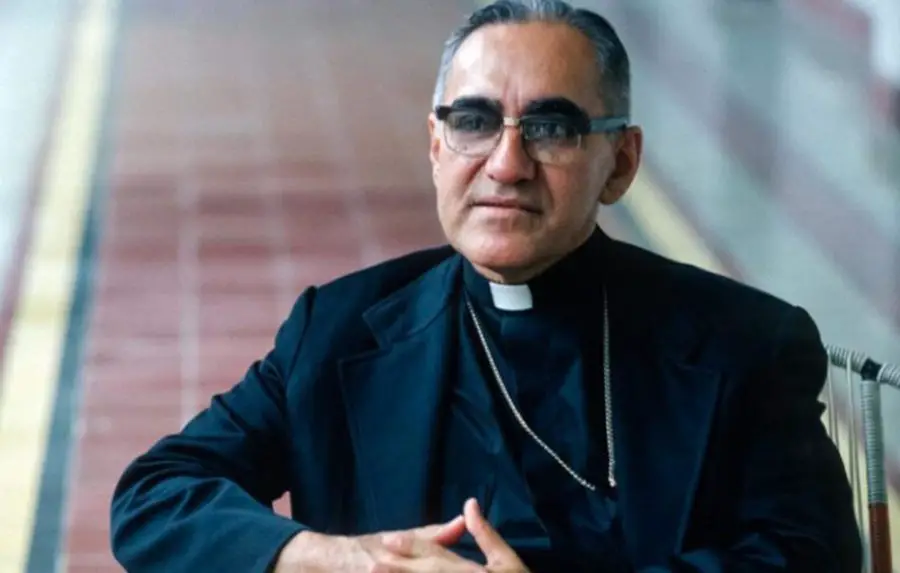
 Saint Oscar Arnulfo Romero.
On March 24, El Salvador commemorates the anniversary of the assassination of Saint Oscar Arnulfo Romero—a date engraved in the hearts of Salvadorans as a powerful reminder of faith, justice, and courage.
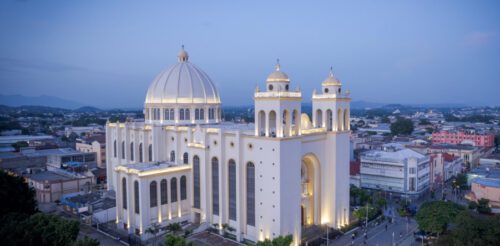
In San Salvador, hundreds of faithful gather at the Metropolitan Cathedral, where Romero’s crypt has become a place of pilgrimage. Visitors arrive from across the country and other nations, reflecting a devotion that has endured for decades.
The Archdiocese of San Salvador organizes commemorative activities that echo Romero’s mission—pilgrimages, talks, and events focused on real social issues, much like those he spoke out about during some of the country’s toughest years.
Usually, during this day, morning events begin with prayers and thanksgiving, followed by testimonies and cultural expressions such as poetry and music.
Later, discussions focus on current issues, including the impact of metal mining, environmental concerns, poverty, and other social issues.
Masses held throughout the day draw large crowds, reinforcing Romero’s enduring spiritual presence.
Today, Romero’s influence goes beyond religious devotion. For many Salvadorans, he symbolizes resistance to injustice and a refusal to remain silent in the face of abuse.

Archbishop Romero’s Assassination
In the late 1970s, as Archbishop of San Salvador, he transformed from a cautious cleric into a direct critic of state violence. Through homilies broadcast on the radio, Romero documented abuses and demanded accountability from those in power.
His words carried weight because they were grounded in reality. He spoke for families who had lost loved ones, for workers being taken advantage of, and for communities stuck in the middle of a growing armed conflict.
That outspokenness made him a target. On March 24, 1980, Romero was assassinated by a sniper while celebrating Mass at the Chapel of Divine Providence Hospital in San Salvador.
The killing sent shockwaves far beyond El Salvador. It exposed the brutality of the period and elevated Romero from a national figure to an international symbol of human rights and moral resistance.
Yet Romero’s story did not begin with martyrdom. Born on August 15, 1917, in Ciudad Barrios, he rose through the Catholic Church to become the country’s fourth metropolitan archbishop.
His transformation occurred as violence in the country escalated. Observing repression firsthand reshaped his role, motivating him to defend those who had little protection under the current political system.
Salvadorans began to refer to him as “The Voice of the Voiceless,” a title reflecting both admiration and expectation. Archbishop Romero did not merely preach; he actively confronted the structures that perpetuated inequality and violence.
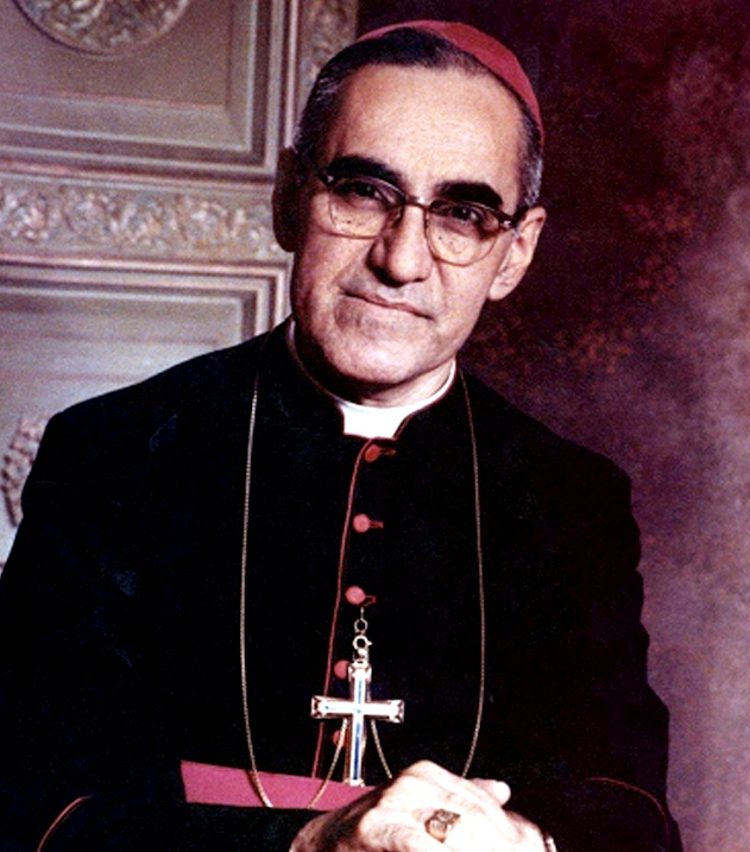
From Martyr to Saint
In 2018, Pope Francis canonized Romero, formally recognizing his sacrifice and influence. The decision confirmed what many Salvadorans had long believed—that his life and death carried profound spiritual significance.
Even so, canonization did not change how he is remembered locally. To many, “Monseñor” remains a familiar figure, someone whose message belongs as much to the streets as to the Church.
Each year, commemorations continue to grow, drawing not only the faithful but also those interested in understanding the country’s history. Vigils, masses, and informal gatherings reflect a shared need to revisit and reflect on his legacy.
What keeps Romero relevant is not nostalgia. His message continues to challenge a society still grappling with inequality, migration, and unresolved tensions rooted in its history.
Remembering him is not simply about honoring a martyr. It is about confronting uncomfortable truths and asking whether the conditions he denounced have truly changed.
In that sense, March 24 is less a ritual than a test. Romero’s life stands as a measure of moral clarity, forcing each generation to decide where it stands in the face of injustice.
His legacy endures because it is unfinished. As long as inequality persists and power goes unchecked, Romero’s voice—once silenced—continues to echo across El Salvador.