
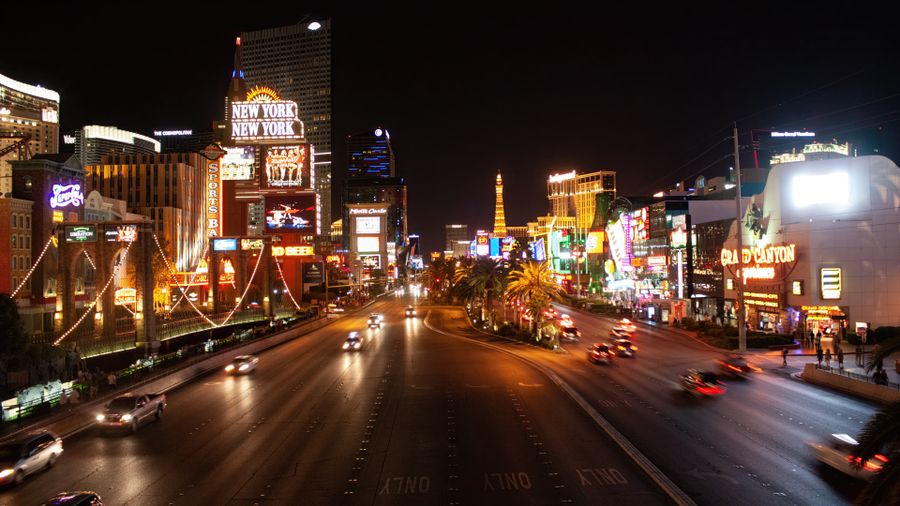
Las Vegas is one of the few cities in the world where nightfall is not the end of the day. It is the beginning of the real one.
The challenge, for a discerning traveler, is not finding something to do after dark. The challenge is knowing which of the city’s many after-dark options are worth your time and which are simply loud. Las Vegas has mastered the art of volume. It has not always mastered the art of quality. The two are easy to confuse when everything is flashing and everyone around you seems convinced they are having the time of their lives.
A well-planned Las Vegas night is something else entirely. It moves at a different pace. It knows where to go and, equally importantly, where not to. It understands that the best version of the city is not the one being sold on every billboard, but the one that has been there long enough to have earned its reputation without needing to advertise it.
The Hotel as a Starting Point, Not a Destination
The megaresorts on the Strip are engineered for immersion. Their restaurants, bars, spas, and casino floors are designed to keep guests inside indefinitely, and they do this exceptionally well. For a true luxury evening, however, the luxury hotels should be where the night begins, not where it ends.
Use the hotel for what it does best: a pre-dinner spa treatment at the Wynn’s recently expanded wellness floor, a cocktail at a high-floor bar with Strip views, a quiet early dinner at a Michelin-caliber restaurant before the main dining rooms fill. The Cosmopolitan’s Wicked Spoon, Joël Robuchon at the MGM Grand, and Bazaar Meat at the SLS are all worth the early reservation. Getting the serious dining done before 8pm leaves the rest of the evening open for the city’s less formulaic offerings.
The Dinner That Sets the Tone
Las Vegas has become one of the more serious dining cities in North America, a fact that surprises first-time visitors and no longer surprises anyone who has been more than once. The concentration of celebrity chef restaurants, private dining rooms, and import-quality ingredients is genuinely exceptional.
For a night built around the table, a private dining room changes the experience considerably. Several properties offer chef’s table experiences that are booked weeks in advance and feel genuinely removed from the casino floor energy outside. Twist by Pierre Gagnaire at the Waldorf Astoria offers one of the more rarefied views in the city alongside French tasting menus that move slowly and deliberately. Guy Savoy at Caesars Palace has held its Michelin stars across multiple editions of the guide and remains among the most formally elegant rooms in the American West.
The wine programs at these venues are worth paying attention to. Las Vegas, unusually for a city its size, has cultivated serious sommelier culture across multiple properties, and the cellar depth at the top-tier restaurants is comparable to anything in New York or Chicago.
The Strip, Seen From the Right Angle
Every visitor to Las Vegas eventually walks the Strip. The luxury version of this is not a different route. It is a different time and a different pace.
The Strip between 10pm and midnight, on a weeknight in October or November, has a quality that the same street at 8pm on a Saturday does not. The crowds thin without disappearing. The neon reaches its fullest effect. The Bellagio fountains, which perform every 15 minutes until midnight, are worth one deliberate viewing from the right position on the bridge rather than a dozen incidental glances.
The High Roller observation wheel, at 550 feet the tallest in the world, runs until midnight and offers a quieter perspective on the city than almost anything else at that hour. A private cabin, available on request, turns a 30-minute rotation into something closer to a suspended evening than a tourist attraction.
Downtown and the Older City
Fremont Street is 15 minutes from the Strip by car and feels like a different city. The LED canopy and the nightly light shows are genuinely impressive at scale, but the more interesting version of downtown is the blocks east of the pedestrian zone, into what is known as Fremont East, where the bars are local, the buildings are old, and the history is real rather than themed.
Atomic Liquors, open since 1952 and the oldest freestanding bar in Las Vegas, is worth the stop for the atmosphere alone. The clientele is mixed, the cocktails are honest, and the story of the bar’s nuclear test-watching regulars in the 1950s is told well by whoever happens to be behind the bar.
Further north on Las Vegas Boulevard, past the radius of most tourist itineraries, the city shows a different face. This is where some of its oldest and most quietly significant venues still operate, institutions that predate the megaresort era by decades and carry the texture of a Las Vegas that most visitors never encounter. Among them is the Palomino, a Las Vegas gentlemen’s club that has been operating on Las Vegas Boulevard North since 1969, making it the oldest of its kind in the city. Founded by Paul Perry, it has outlasted casinos, hotels, and entertainment venues far more famous than itself. In a city that treats impermanence as a design principle, that kind of longevity is worth noting.
The Neon Museum After Dark
The Neon Museum’s night tour is one of the more genuinely memorable experiences Las Vegas offers, and it belongs in any serious after-dark itinerary.
The outdoor boneyard holds retired signs from casinos that no longer exist: the Stardust, the Sands, the original Caesars Palace lettering, the Moulin Rouge. A guided tour runs for about an hour and pairs well with a late dinner afterward. The signs are best understood in the context of the city’s habit of demolishing its own history, and a good guide will make that history land in ways that the Strip itself cannot.
Book in advance. The night tour sells out consistently, often weeks ahead in peak season.
The Late Night, Done Intentionally
The final stretch of a Las Vegas evening rewards those who have paced themselves. The city’s best bars reach their ideal state somewhere between midnight and 2am, after the earliest diners have gone to bed and before the night loses its shape entirely. For those who want the full Las Vegas nightlife picture, the megaclub options are well documented elsewhere.
The Chandelier Bar at the Cosmopolitan, a three-story installation inside a literal chandelier, operates on a different sensory register from most casino bars and is worth a drink at any point in the evening. The ghostbar at the Palms, perched on the 55th floor with a glass-floor panel over the Strip, offers the kind of elevated quiet that late-night Las Vegas rarely provides.
For those who want to extend the evening into music, the Jazz Bar at Encore hosts live performances most nights in an intimate setting that sits at the opposite end of the spectrum from the megaclub experience the city is better known for. The scale is right: close enough to hear the musicians, quiet enough to hold a conversation, good enough to make leaving feel like a mistake.
What Makes a Las Vegas Night Luxury
The honest answer is curation. Las Vegas offers everything in extraordinary abundance, and the problem is abundance itself. A night that tries to include every option ends up feeling like none of them.
A well-planned evening might move from a spa treatment to a private dining room to a deliberate Strip walk to a late bar to one memorable stop that was recommended by someone who actually knew the city. That is a different trip from the one most people take, and it is better in every way that matters.
The city rewards the traveler who decides, in advance, what kind of night they want. It will give you exactly that, and it will also try very hard to give you everything else. The art is knowing when to say the night is already complete.
Las Vegas after dark belongs to whoever plans it well. Everything else is just noise at a very high volume.