
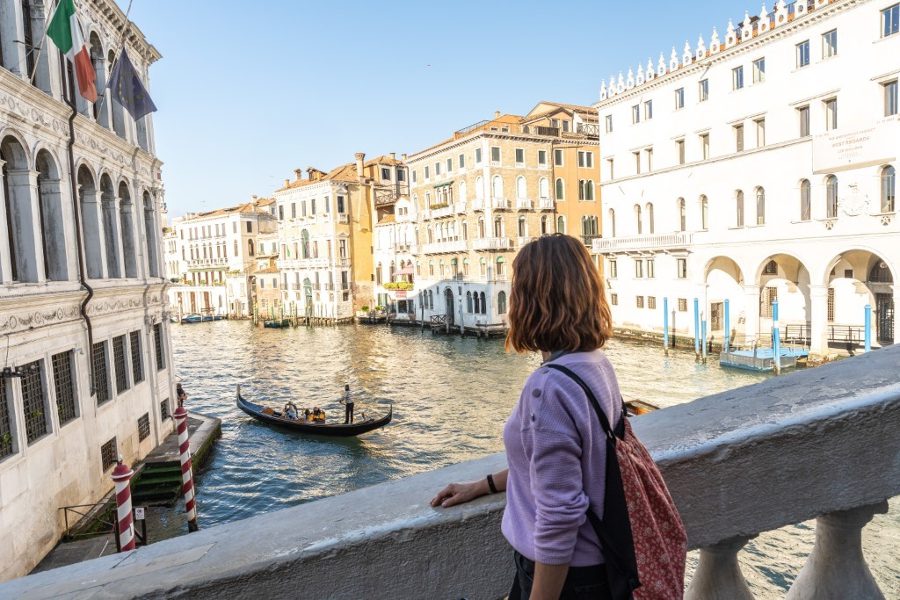
If you’ve traveled a lot, sometimes, those copy-and-paste tours can get a little boring, no matter where you go. You’re looking for something new, something that would spark your inner, childish curiosity. Why not try a self-guided tour for your next trip?
A self-guided tour is an experience travelers make for themselves. It’s a walking tour you can take at your own pace, guided by visual cues or audio narration, minus human tour guide systems. This kind of tour is perfect for towns, trails, and locations with complicated navigation.
But how do you create a safe, exciting, and rewarding self-guided walking tour? These steps should help you create your own fun and foolproof plan that you can’t wait to execute.
Mentally Prepare Yourself for Solo Travels
In many cases, a self-guided tour involves only one traveler. The more people tagging alongside you, the more you’ll have to add to your itinerary. However, if you’re used to traveling with others, getting used to traveling solo can take a while.
Before you start creating your itinerary, ask yourself, ‘Can I do this alone?’ If you’re too scared to explore a new place on your own, even a professionally made tour will not be enjoyable for you.
If you’re that type, you need to confront and dilute your fear of loneliness. Worries usually stem from fear for personal safety and a lack of knowledge about navigating a foreign culture. Tell yourself that free independent travel is worthwhile and may even be a positively life-changing experience. You’ll learn a lot and grow more confident.
Consider traveling solo in a nearby city or neighboring state before you start with self-guided travel. Exploring places closer to home alone a few times is excellent practice for farther locations.
Identify Your Purpose for Traveling
A trip almost always has a purpose. Most people travel for leisure, and others for business. What’s your purpose for traveling?
The answer to that question will help you create a self-guided tour that truly suits you. Maybe your goal is to visit as many museums as possible. Maybe you want to see all the historical sites of a particular city. Or maybe you simply wish to experience the local culture in all its forms.
When you know your purpose and the theme of your trip, mapping out stops and routes becomes much easier. You can focus on significant landmarks and safe passageways to avoid trouble.
Research and Choose Your Destination
Now that you have a purpose in mind, you can narrow down destinations that serve it. Most places can be great for self-guided travel, but others are a little better.
Some destinations you can check out include the following:
Dublin, Ireland
Literature fans will enjoy a self-guided tour of Dublin, author Oscar Wilde’s birthplace. Start your scenic walk in The Shelbourne, a highly recommended place Oscar Wilde stayed during his speaking tour in Dublin.
Check out local bookstores like Chapter Bookshop or Ulysses Rare Books for secondhand copies and one-of-a-kind finds. In the afternoon, take a DART train ride to Dalkey, the tower where much of James Joyce’s Ulysses is set.
Chiang Mai, Thailand
Thailand is already a popular location for backpackers. Chiang Mai, in particular, is littered with hostels and guesthouses, each with unique social events. You might find new friends traveling from other countries or even from your hometown.
There are lots of temples around, like Wat Phra Singh, where you can chat with local monks and get to know yourself better. You could also attend cooking schools to learn traditional Thai cuisine and bring recipes home.
South Island, New Zealand
If you enjoy good wine, you’ll love a self-guided tour around the South Island in New Zealand. The Marlborough, Central Otago, and Canterbury wine regions are famous for Pinot Noir, Chardonnay, and Sauvignon Blanc.
Don’t miss the chance to connect with local cultures when you’re in the South Island, either. Many Maori family-owned businesses like Te Rua and Sons Pounamu Tours and Whale Watch Kaikoura offer exciting opportunities to explore the region.
Cuzco, Peru
The rich history of Cuzco pulls visitors from all over the globe who love learning more about the past of different locations. A solo traveler can do so much besides the obligatory visit to Machu Picchu. For instance, you can check out Parque Nacional Manu, Peru’s most protected jungle.
But if you prefer staying in an urban area, Cuzco offers a multitude of bars and clubs. You can wind down or party in them after exploring the city and the Inca ruins in the nearby Sacred Valley.
Once you’ve chosen a destination, research it well. Your self-guided tour should be a fun experience, and research will help you avoid butting heads or getting caught in unfavorable situations.
Pick the Right App and the Type of Tour You Want
Certain apps make many self-guided tours possible. Today’s travel tools can help you map out complex walking paths, track your pace, and translate signs. The key is to understand what kind of tour you want before deciding which app to rely on.
Walking Tours
Perfect for compact cities and scenic trails, walking tours let you explore at your own rhythm. Apps like VoiceMap or GPSmyCity provide location-triggered audio commentary, guiding you through hidden corners and local stories without rushing your pace.
Audio Tours
Audio tours are best for travelers who prefer hands-free exploration. Spatial audio features help narrations match your location naturally, allowing you to stay immersed while learning about your surroundings.
Driving Tours
Driving tours are ideal for regional exploration. Platforms like Roadtrippers highlight scenic detours, cultural landmarks, and small towns, helping you design road routes full of local character.
Cycling Tours
Cycling tours suit travelers covering greater distances or countryside routes. Apps such as Komoot or Ride with GPS plan scenic, low-traffic paths and help track elevation for safer, smoother rides.
Plan Your Whole Itinerary
With a destination and an app to help you out, planning your itinerary should be no problem. Here are the important things you need to do:
Route Planning
Create an outline of key attractions and build a practical route. This should efficiently maximize your time. If you need extra assistance, maps and other navigation apps could help.
Places to See and Things to Do
No self-guided tour is complete without some tourist hotspots and attractions. You don’t need to include all the popular haunts in your itinerary. What matters are the places you
Add in activities you want to do, too. It could be a quick hike, a walk around a famous marketplace, or a workshop class to learn a new skill. If you’re not sure what you can do at your destination, a brief search online could help. For example, if you’re going to El Salvador, search for specific fun things for tourists to do while there.
Time Management
An itinerary may look feasible on paper, but can you really follow it once you’re in your destination? You must allocate enough time per stop; not too short that you barely explore the place, and not too long that you waste time.
Practicing Flexibility
Even the best itineraries aren’t followed precisely. Times can be forwarded or delayed, the weather can change drastically, and you might miss hopping on public transport. Make your itinerary open to adjustments just in case you hit a snag or find interesting discoveries along the way.
Pack Light and Smart

Packing for a trip is often one of the hardest things to do after planning an itinerary. You need to consider how long you’ll be staying and if you’re traveling from one region to another. The weather is another factor you need to keep in mind. Will it be cold where you’re going or hot and humid?
A general rule you could follow is, ‘If you can’t carry it up three flights of stairs, leave it at home.’ Heavy luggage bags will hurt your back and potentially lead to catching the bus around the city too late.
Here are the essentials you need for most self-guided tours:
- Neutral-colored outerwear, which includes:
- Four to five T-shirts
- Two pairs of pants or jeans and shorts
- One long-sleeved shirt
- One light jacket or hoodie
- Four to seven pairs of moisture-wicking underwear
- One swimwear set
- One sleepwear set
- A pair of comfy walking shoes and flip-flops each
- A hat or cap
- Travel-sized essential toiletries
- Essential electronics
- Money and personal documents
Avoid bringing things that could add unnecessary weight to your bag. You don’t need to bring three pairs of shoes or hair styling tools. You also don’t need to have multiple outfits.
The goal is to bring just enough for a comfortable trip and have extra space for potential souvenirs. Another rule you could follow is, ‘If you haven’t used it on your last three trips, you don’t need to bring it to the next one.’
Feel Free to Use Other Tools, But Use Them Wisely
While apps and digital maps form the backbone of modern self-guided travel, the smartest explorers carry both digital and physical tools. Technology enhances convenience, but real-world aids keep you grounded when batteries, signals, or data plans fail.
Digital Tools
Pack tools that serve a clear purpose rather than clutter your phone.
- Offline maps: Before departure, download your full route and the surrounding areas. Google Maps, Maps.me, or Gaia GPS can store offline maps, which become indispensable when cellular service drops.
- Translation and phrase apps: Tools like DeepL or Papago can translate text on signs and menus and save key phrases for quick recall. They can also store essential emergency lines and local words, even if you expect to speak English.
- Expense trackers: A simple budget app helps you record spending daily, keeping surprises to a minimum.
- Cloud storage: Back up copies of your passport, insurance, and itinerary. In case your belongings go missing, you can access your data anywhere with internet access.
- Weather and safety alerts: Some travelers skip these, but they are vital. Local government apps or platforms like Windy and AccuWeather can issue warnings long before conditions turn.
Treat digital tools as silent companions, not as crutches. Constantly checking screens interrupts immersion and may signal distraction to onlookers.
Analog Tools
Sometimes, simplicity saves the day in self-guided travel. A paper map never runs out of power. Highlight your route and emergency landmarks before departure. Mark water sources, rest stops, and shaded areas if your trip involves hiking.
A small compass can restore your bearings when GPS signals distort. You may also carry a small notebook for observations or directions offered by locals.
Even if you rely on digital translators, bring a pocket-sized phrasebook. It encourages face-to-face interaction, which often leads to helpful cultural exchanges.
Lastly, carry a physical list of emergency contacts and addresses in case your phone is lost or damaged. In remote areas, you might need to show written information to a driver or official.
Prioritize Your Safety At All Costs
Safety should be your first priority on any self-guided tour. Research local laws, emergency contacts, and recent travel advisories before you leave. Keep valuables hidden, stay alert in unfamiliar areas, and trust your instincts when something feels wrong.
Stay healthy and aware of your surroundings. Water, first-aid essentials, and a charged phone with offline maps will also help keep you safe. Inform someone of your itinerary and check in regularly to keep a calm, clear head throughout your journey.
Wrapping Up
A self-guided tour is a fantastic way to explore different places without being held back by pre-planned tours. You won’t follow professional guides, but a digital one may steer you around. Yet the tour itself includes an itinerary that truly follows your vision.
Creating self-guided tours will be easy as long as you’re not afraid to explore your own way. Just focus on routes and activities that fit your travel purpose and always practice safety. Before you leave, make sure your bags aren’t too heavy. Only bring the essentials.
With a great plan, you can tour your dream destination, even on your own. Stick to it, yet be open to changes. Enjoy your self-guided travels!