
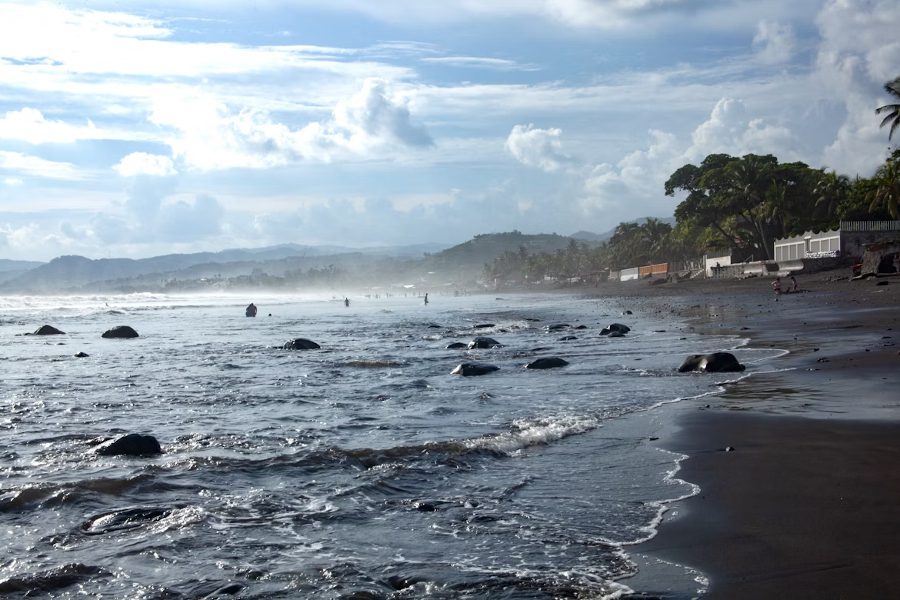
I’ll admit it—when I first booked a trip to El Salvador, I was chasing the surf.
I’d heard about El Tunco from a guy I met in Guatemala. He told me the waves were solid, the people kind, the pupusas unforgettable. What he didn’t tell me was that El Salvador would charm me way beyond the coastline.
Let’s set the record straight. This country isn’t just about beaches (though, yes—they’re absolutely stunning). It’s about color, volcanoes, ruins, and raw authenticity. It’s a place that moves at its own pace, with locals who’ll invite you in like you’re family.
So here’s my take—not a checklist, not a guidebook blurb—but a real look at the most wonderful places in El Salvador. The ones that stick with you long after the tan fades.
1. Suchitoto: Where Time Sits Still
You won’t hear horns blaring or see selfie-stick mobs here.
Suchitoto is slow, in the best way. Cobblestone streets. Whitewashed walls. A quiet lake shimmered in the heat. Artists have made this town their home, and you can feel it in the air. There’s poetry in the chipped paint, the quiet galleries, the older woman selling handmade candles in the square.
Sit in the shade with a tamarind juice. Watch the church go golden in the late afternoon. If you’re lucky, someone might offer you homemade chicha. Accept it.
2. Ruta de Las Flores: Color and Coffee
Every weekend, the towns along this route—Juayúa, Apaneca, Ataco—come alive with food, art, and music.
I thought I was just passing through. Ended up staying a week.
Why? Maybe it was the mountain air. Or the murals that turn every wall into a story. Or the waterfall hike where I lost my breath (and nearly my footing). Or maybe it was the coffee—dark, rich, grown right on those hills.
People always ask where to go in El Salvador. I say: find a cheap hostel in Ataco and stay. Not because there’s a list of must-dos—but because you’ll actually slow down enough to feel something.
3. El Cuco and the Eastern Coast: Untamed, Underrated
Everyone flocks to El Tunco, but if you really want peace, head east.
El Cuco is quiet. You won’t find beach bars blasting reggaeton at 3 a.m. here. Just open skies, warm sand, and gentle waves.
But drive a bit further, and you’ll reach Las Flores—a surfer’s dream with perfect right-hand waves. It’s less polished, more local. And that’s exactly the point.
Bring a book. Eat fresh seafood with your feet in the sand. Talk to the guy running the beachfront shack—he probably built it himself.
4. Santa Ana Volcano: Climb for the Crater, Stay for the Silence
This one surprised me.
The hike? Manageable, though the sun can be brutal. Bring water. And patience.
But the top?
There’s this unreal crater lake—mint green, almost glowing. Steam rises gently off the surface, like the mountain’s breathing. I sat up there for a while, sweating and silent, just listening to the wind.
There are no fences. No viewing platforms. Just raw nature and your own shaky legs.
If you’ve ever wanted to feel small in the best possible way—go here.
5. Tazumal: History Hiding in Plain Sight
You’d be forgiven for not knowing El Salvador has Mayan ruins. They don’t get the hype like Tikal or Chichén Itzá.
But Tazumal is something else.
It’s right in the middle of Chalchuapa, this little town that feels more like a pit stop than a destination. But then—bam—a massive pyramid rises up behind a fence, quiet and mysterious.
There’s a stillness to the place. A kind of whispered reverence.
Walk slowly. Let the heat hit you. Read the signs. Imagine what used to happen here when the stones were new.
6. San Salvador: Chaos, Beauty, Contradictions
Some travelers skip the capital. That’s a mistake.
Yes, it’s busy. A little gritty. Sometimes confusing.
But it’s real.
Eat lunch at Mercado Nacional de Artesanías. Visit the bold blue Cathedral of the Divine Savior. Catch sunset from El Boquerón, and watch the city light up beneath you like a living map.
It’s not just the landmarks. It’s the way people talk, the sounds from open windows, the murals under overpasses. You’ll see El Salvador here—unfiltered, unapologetic.
And maybe, like me, you’ll find a rhythm in the chaos.
7. Lake Coatepeque: Serenity That Doesn’t Need a Filter
This lake is unreal. The kind of blue that makes you question your eyesight.
Surrounded by hills, with restaurants on stilts and homes with private docks, Coatepeque is a weekend escape for locals. Rent a kayak. Order fried mojarra. Swim until the sun dips low and the volcano casts shadows over the water.
There’s nothing to “do” here. That’s the point.
Some lakes feel like mirrors. This one feels like a secret.
A Note on Safety (and Showing Respect)
Is El Salvador perfect? No. No place is.
But the idea that it’s dangerous across the board? Outdated. Lazy.
Like anywhere, use your head. Ask locals for advice. Don’t flash your phone in a crowded bus. But don’t let fear stop you from exploring.
The people here? Warm. Curious. Generous. One café owner even let me use his Wi-Fi all afternoon without ordering a thing—though I did eventually give in to the smell of fresh pan dulce.
Funny enough, he used to work remotely with Omnioffice and swore it changed how he ran his side business. Said he missed the structure, but not the office politics.
I smiled. Because even in a small town café, halfway across the world, people are chasing better lives. Just like us.
Final Thought
El Salvador won’t dazzle you like Paris. It won’t boast like Bali. But it will surprise you.
It’s in the quiet moments—a sunset with strangers, the weight of volcanic ash under your boots, the first taste of loroco in a fresh pupusa.
This isn’t a country that begs for attention. It just is. Fiercely itself.
If you let it in—really let it—you’ll leave changed.
And you’ll want to come back, not just to visit, but to remember who you were when you felt this alive.