
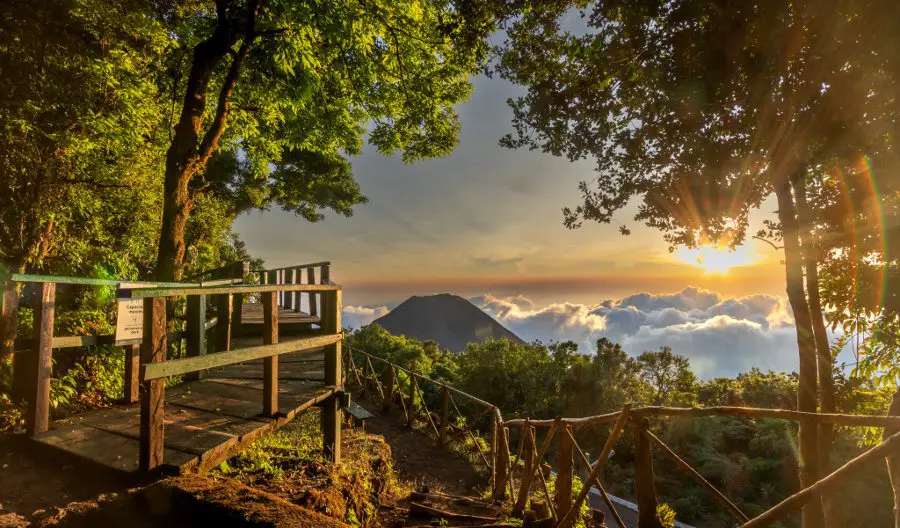
 Cerro Verde National Park in El Salvador.
California has been the global capital of holistic wellness for decades. From the jagged cliffs of Big Sur to the tranquil deserts of Joshua Tree, the Golden State invented the “wellness retreat” as a lifestyle necessity, not a luxury. But as we enter 2026, there is a sea change taking place. The West Coast’s fast-paced, tech-driven culture has led to a “quiet migration” toward more authentic, raw and unscripted experiences.
Enter El Salvadore. The country has long been a mecca for surfers, with its world-class point breaks, and is now the cutting edge of holistic tourism, especially in its green, volcanic mountain ranges. This evolution is the merging of the modern California standards and the untapped natural power of Central America.
The California Blueprint: From Biohacking to “Slow Travel”
California’s wellness industry has reached an apex of “optimization.” Boutique wellness retreats in Malibu or Ojai, for example, now offer everything from circadian lighting to AI-powered nutrient plans. These innovations remain popular, but many travelers are experiencing what experts call “optimization fatigue.” They want to go back to basics: clean air, mineral-rich soil and a real disconnection from the digital world.
This desire for an analog reset is the primary driver behind the surge in travel to Central America. Travelers who once frequented a rebud dispensary for high-quality botanical relief are now seeking the source—integrating plant-based wellness with immersive nature experiences. This trend aligns perfectly with the 2026 Global Wellness Economy Report, which highlights a move toward “nature-immersion” as the top tier of health travel. The modern traveler is no longer satisfied with a synthetic spa experience; they want to feel the earth beneath their feet and understand the ancient lineage of the plants they consume.
Why the Salvadoran Mountains?
Although “Surf City” may have put El Salvador on the map for its adventurous coastline, the country’s highlands—the “Ruta de las Flores” and “Cerro Verde” areas—are home to their own medicine. The elevation creates a “thermal spring” climate with warm days and cool nights, making it perfect for “contrast therapy” (heat and cold application), which has been a popular trend in wellness for the past year.
The rich volcanic soil in El Salvador has its own story to tell. It gives rise to some of the highest-quality coffee and cacao in the world, which are now being included in topical remedies and internal cleanses offered by mountain-based retreat centers.
- Micro-Climates for Healing: The lush, misty forests of the Apaneca area are a natural source of humidity that helps the lungs breathe, contrasting sharply with the dry air of Southern California.
- Volcanic Energy: There is a small but rapidly-growing trend called “energetic tourism.” Those who practice energy work and energetic healing claim that the active volcanic chains in El Salvador provide a special grounding frequency, one that is hard to come by in developed cities.
- Cultural Authenticity: Unlike the highly commercialized retreats in neighboring countries, Salvadoran mountain lodges often integrate local Nahuatl traditions. These are not “performances” for tourists but genuine cacao ceremonies and Temazcal (sweat lodge) rituals led by those who have practiced them for generations.
The “Boutique” Expectation: Merging Standards
As international guests make their way from California coastlands to the Salvadoran mountains, they are bringing with them expectations of quality, transparency, and professionalism. Here we see the impact that the modern retail experience has had on the travel industry. The American luxury consumer has made the luxury experience about accessibility and professionalism.
The guest expecting professionalism in his travels also expects curation in his holistic destination. He doesn’t want just another “place to stay.” He wants his experience curated in an ecosystem of wellness. According to the 2026 National Geographic Best of the World 2026 Wellness Guide, the new-age traveler values “intentionality” and cultural connection above everything else.
These demands offer an amazing challenge for the host. Successful mountain retreats are embracing the following three principles:
- Scientific Professionalism: Integrating traditional herbalism with lab-tested standards to ensure safety and efficacy.
- Seamless Logistics: The ability to have high-quality wellness products, from specialized oils to organic supplements, readily available at their mountain lodge without the friction of traditional retail.
- Educational Depth: Providing guests with deep dives into how local flora and traditional practices impact the nervous system and long-term health.
Companies in the North American market have perfected this “boutique” experience, and we are now seeing Salvadoran entrepreneurs adopt this model—blending the country’s natural bounty with professional-grade logistics and customer care that rivals the best of Los Angeles or San Francisco.
Sustainability and the Regenerative Future
Regenerative Travel is the foundation upon which El Salvador’s holistic tourism is being built. “Leave no trace” is not sufficient anymore in 2026. The retreats of today are expected to give back to the land, to be active in its restoration.
Now El Salvador is on a tourism path that is outpacing many of its neighbors. For example, international visitors to El Salvador have grown by a staggering 17 percent, largely due to investment in infrastructure and targeting of specific niches such as surfing and wellness, according to a recent Tico Times on the Central American Tourism Race.
In the mountains of El Salvador, this regenerative approach is materializing in different ways:
- Reforestation Partnerships: Many boutique lodges now invite guests to participate in planting native balsam or cedar trees, creating a physical legacy of their stay.
- Circular Economies: Holistic centers are increasingly partnering with local coffee and indigo farmers. This ensures that the “wellness” of the guest also contributes directly to the financial “wellness” of the local community.
- Bio-Architecture: We are seeing a move away from concrete toward volcanic stone, bamboo, and reclaimed wood. These structures are designed to “breathe” with the forest, utilizing natural ventilation and solar energy to minimize their carbon footprint.
The Rise of the “Digital Nomad Sanctuary”
A further reason for this move toward the 1000-word mark is the longevity of remote working. The peaks of El Salvador are now home to a community of “Digital Nomads,” who value mental wellbeing.
If your office is a laptop, your environment serves as your insurance plan. The peace found on the slopes of the Santa Ana volcano or the flowered streets of Ataco offers a much-needed “reboot” that many stressful Californian settings fail to provide.
The retreat centers have been equipped with fast satellite internet connections and ergonomic desks, enabling guests to remain for months at a time rather than days.
Conclusion: The Convergence of Two Worlds
The flight from the California coast to the mountains of El Salvador is not just a journey, but a move toward a more deliberate and grounded way of life. A new era of tourism is being born, mixing the US professional service standards with the raw ancient power of the Salvadoran landscape.
El Salvador is no longer just a surfers’ paradise in search of the perfect wave or thrill-seekers in search of an adventure. It is becoming a world-class sanctuary for the global citizen looking to reconnect with the earth, the self and the future of holistic health.
With infrastructure upgrades and a budding local wellness economy, the Salvadoran mountains are set to become the 21st century’s “New Big Sur,” providing a healing experience that’s as profound as it is professional.