
In the past few years, the meaning of travel has changed a lot. As we move into 2025, the global traveler has changed from someone who just looks at things to someone who plans their own experiences. The new gold standard for travel is not just how far you go or how prestigious the destination is. It’s also about how much freedom you have, how well you feel mentally, and how well you can combine luxury with logistical precision.
In this new age, the lines between “getting there” and “being there” are fading. For today’s explorers, the journey is no longer just something to get over; it’s an important part of the experience. Because of this change, a complex ecosystem of services has developed to help people get back the most valuable thing they have: time.
1. The Mindset of Today’s Traveler
Why do we go on trips? In 2025, the answer is more and more based on a desire for “transformative wellness.” Recent data from around the world shows that more than 90% of luxury travelers now say that their mental and physical health is the main reason they book. This has changed travel from the “volume” model, which is about seeing as many places as possible, to the “depth” model, which is about experiencing a single place in a very deep way.
The “Quiet-cation” Trend
The “quiet-cation” has become a popular trend as digital saturation reaches its peak. Travelers are looking for secluded places where the lack of internet access is the best luxury. These trips are meant to lower cortisol levels and reset the body’s natural sleep-wake cycle. But the strange thing about traveling far away is that the most peaceful places are often the hardest to get to by normal means. This logistical gap is exactly where specialized aviation services have become necessary. They let travelers avoid the sensory overload of huge transit hubs and arrive directly and peacefully.
The Return of the Traveler
On the other hand, we are seeing the rise of the “Venture Travelist,” people who mix high-level business deals with leisure. Almost 86% of wealthy travelers say they look for investment opportunities while on vacation in 2025. For this group of people, travel has to be very efficient. It’s not just convenient to be able to go from a board meeting in a financial district to a private retreat on a remote coast in the same afternoon; it’s also a competitive edge.
2. The Private Sanctuary: A New Way to Fly
Even though the commercial aviation industry is trying to make first-class cabins better, it is still stuck in a hub-and-spoke model that puts the airline’s schedule ahead of the passenger’s life. On the other hand, private aviation has grown into a useful tool for living.
Outside of the Velvet Rope
People used to think of private flight as a sign of too much. The story has changed to utility and control by 2025. The modern traveler sees the cabin as more than just a seat. It’s also an office, a dining room, and a bedroom that meets their hygiene and privacy needs.
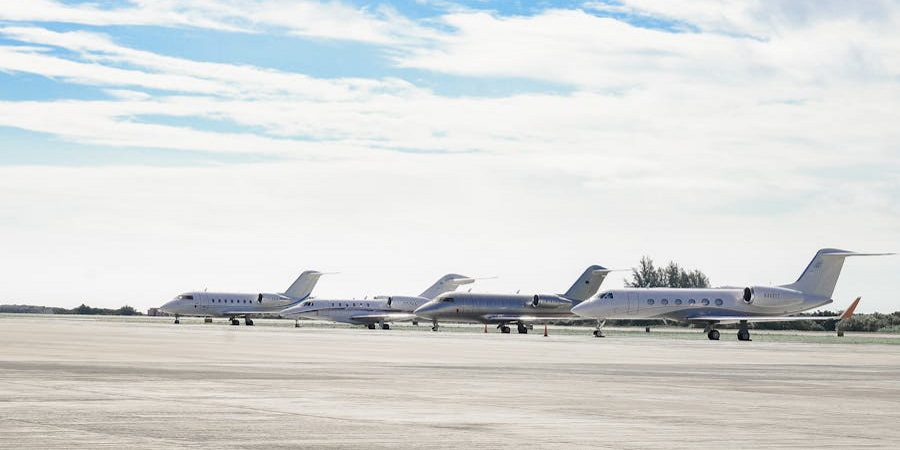
When you choose to hire a private plane from NovaJet, for example, you are following a travel philosophy that starts hours before the flight. Instead of the usual “airport experience” with long lines, security theater, and delays that come out of nowhere, there is now a smooth process where the plane waits for the passenger instead of the other way around. This freedom lets people travel “point-to-point” using smaller regional airfields that are often much closer to their final destination than big international airports.
The Fleet as a Set of Tools
Travelers can “right-size” their trip because of the variety of modern fleets. In 2025, aviation experts will have everything from light, high-performance turboprops for short regional flights to ultra-long-range heavy jets that can fly across oceans without stopping for fuel.
* Light jets are great for short trips of 2 to 3 hours because they are fast and can land on short runways.
* Super-Midsize Jets: These will be the “workhorses” of 2025, with standing-room cabins and the ability to fly across continents.
* Heavy Jets: They have separate “zones” for work, sleep, and eating, making them like a five-star hotel in the sky.
3. The Comfort Technology: New things in the sky
The planes of 2025 are amazing examples of how technology can work together to fight the normal wear and tear of flying.
Engineering the Atmosphere
One of the biggest improvements is in the cabin pressure and air filtration systems. Modern private jets have a lower “cabin altitude,” which is the air pressure that the body feels, and they use hospital-grade HEPA filters that clean the air every few minutes. This makes flying easier on the body, so people arrive feeling awake and hydrated instead of tired and “jet-lagged.”
Personalization through biometrics
We are seeing the use of “smart cabins” that can change the lighting and temperature based on a passenger’s heart rate or skin temperature. If the system sees that a passenger is falling asleep, it can slowly change the LED lights to a warm, sunset color to help the body make melatonin. High-speed low-earth-orbit (LEO) satellite internet makes sure that video conferencing is just as stable at 41,000 feet as it is in a corner office for business travelers.
4. Choosing the Destination: Access Over Excess
The most popular places to visit in 2025 will be those that offer “exclusive access.” This is the change from just looking at a landmark to being part of a culture.
The Growth of the “Impact Explorer”
Gen Z and young Millennials are the new generation of travelers who are driving the trend toward “Impact Exploration.” These travelers want to stay in places that are good for the environment and help protect it. They like to travel to places that don’t have airports, where you can only get there by seaplane, helicopter, or private jet. The lack of a commercial runway has kept the local ecosystem safe.
The 72-Hour Ultra-Escape
Many of the world’s most successful people have a hard time with time poverty. Because of this, the “72-Hour Ultra-Escape” has become a must-have for travel plans in 2025. These trips are short and have a big impact on people. They are meant to change people completely. These trips use private aviation’s speed and flexibility to make sure that no time is wasted in transit, whether it’s a three-day cooking class or a weekend of intense wellness.
5. Trust and safety: These are the things that can’t be changed.
As global instability continues to affect travel plans, safety has become a top priority. More and more travelers want “brand trust” and strict safety certifications.
Standards for safety in 2025
In the private sector, certifications like ARG/US Platinum and IS-BAO Level 3 have become the standards that everyone else tries to meet. These are more than just badges; they show that there is a strong safety culture that includes ongoing pilot training, strict maintenance schedules, and strong emergency procedures. For the picky traveler, knowing that their provider meets these international standards is the best way to relax.
What the Concierge Does
A 24/7 concierge layer supports the modern travel experience. This team takes care of the “micro-logistics” that can ruin a trip, like getting people to and from the airport, handling luggage, and even stocking the plane with food for people with special dietary needs. When you hire a private plane from NovaJet, you’re not just making a reservation for a flight; you’re also setting up a support network that takes care of the “friction” of travel.
6. Sustainable Horizons: The Future of Air Travel
When talking about travel in 2025, you can’t leave out sustainability. The aviation industry is going through a “green revolution” right now, and Sustainable Aviation Fuel (SAF) is becoming more and more common.
The Shift Toward Carbon Neutrality
As part of their normal booking process, many private companies now offer carbon-offsetting programs. Also, the new generation of planes that will start flying in 2025 will use lightweight composite materials and advanced aerodynamics to cut down on the carbon footprint per passenger mile. Travelers are now choosing their service providers based on these environmental promises, showing that luxury and responsibility can go hand in hand.
7. Conclusion: The New Way to Go
The way we travel in 2025 shows what we believe in. It’s an investment in our health, our relationships, and our understanding of the world. We get back the joy of the journey when we choose to move in a way that isn’t based on a standard “one-size-fits-all” model.
How you get there sets the tone for the whole trip, whether you want to be alone on a remote island, in the high-stakes energy of a global business hub, or with your family on a multi-generational vacation. In a world that is always “on,” being able to choose your own path with the help of safe and advanced elite aviation is the most free thing you can do.
The sky is no longer a limit; it is a carefully chosen space where your journey is just as important as your destination.