
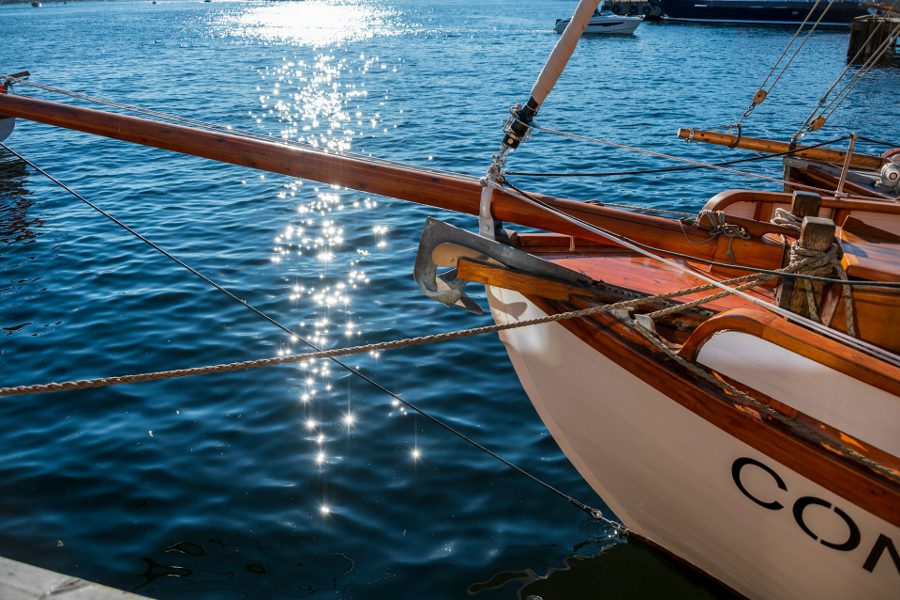
The water doesn’t stay still long enough to define itself. It reflects the sky, then breaks it apart, then returns it again in pieces that don’t quite match. The harbour opens gradually, not as a single view, but in sections that shift depending on where you stand.
There’s movement, though it doesn’t demand attention. Boats pass, leaving traces that disappear almost immediately. Light catches on the surface, then slips away.
Nothing holds for long.
Where the Harbour Forms
Oslo’s harbour doesn’t present a clear edge. It curves gently, though the line isn’t easy to follow from one point to another.
Buildings sit close to the water, but not in a uniform way. Some feel connected to it, others set slightly back, as if the distance matters.
The colour changes constantly. Blue at first, then silver, then something darker where the surface deepens.
A passing voice nearby refers to Norway tour packages, then fades into the surrounding sounds without leaving much behind.
What the Water Holds
The reflections don’t stay complete. They shift with every movement.
A structure appears clearly for a moment, then distorts, then disappears altogether. The surface never settles into a single image.
You watch it, then stop, then notice it again without deciding to.
Nothing remains fixed long enough to follow.
At one point, a nearby sign includes Scandinavia tour, though it blends into everything else around it.
Between Edge and Distance
The far side of the harbour feels closer than it is. Then further away again.
You try to hold the line between water and land, though it doesn’t stay sharp. It softens, then returns.
Distance doesn’t stay consistent. It changes with where you stand, and how long you look.
Movement That Carries Through
At some point, the sense of space shifts.
The water falls out of view in parts. The ground becomes more present. Structures begin to take over where open space was before.
You don’t notice when it begins. Only that it already has.
The air feels different too. Less open, though still moving.
Where the Wood Appears
Bergen doesn’t gather in the same way. It feels closer, more contained.
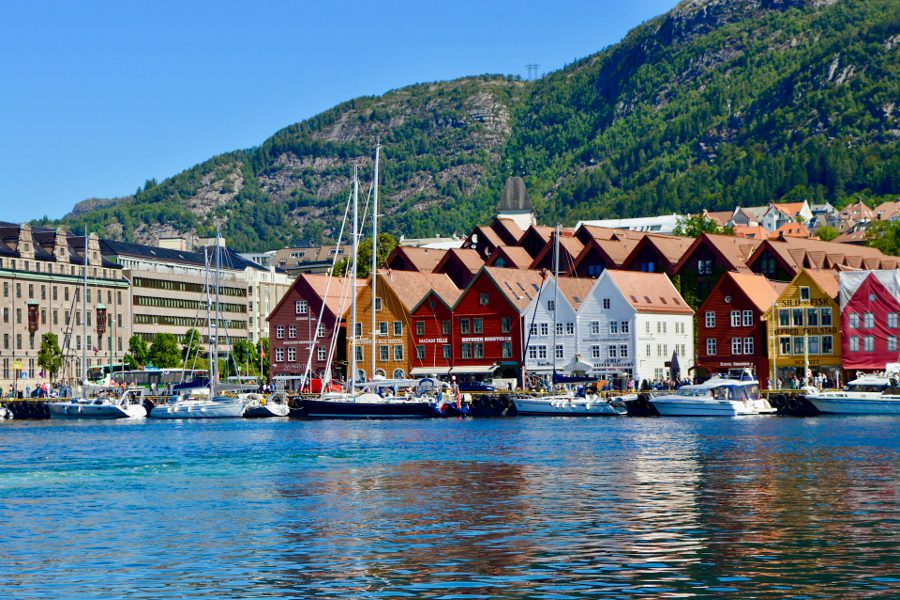
Bryggen comes into view through its surfaces first. Lines of wood, slightly uneven, standing side by side without forming a perfect row.
The colours vary across the buildings. Some deeper, some faded, depending on how long they’ve held their place.
You don’t see the full structure at once. It reveals itself in parts.
What the Structures Hold
The wood carries texture that doesn’t repeat exactly. Lines run vertically, then break slightly, then continue again.
The buildings lean, though not enough to feel unstable. Just enough to notice.
You focus on one detail, then another, though neither holds for long.
The space continues without pause.
Between One Line and the Next
Walking through Bryggen changes the view.
The wider arrangement disappears. The space narrows, then opens again depending on where you turn.
Light reaches into the gaps between buildings, then fades again.
You move without deciding on a direction.
Where the Space Extends
Beyond the wooden structures, the city opens slightly again.
The harbour returns, though not in the same way. It appears in fragments between buildings, never fully visible.
The horizon feels less distant here.
You don’t follow it directly.
What Doesn’t Settle
The difference between water and wood doesn’t stay clearly defined.
One shifts constantly. The other holds its form longer. Still, both seem to change depending on how you look at them.
You notice it gradually.
It doesn’t form a clear contrast.
The Space Between
The movement between Oslo and Bergen doesn’t feel like a break.
It carries through in smaller changes. Open harbour to contained streets. Reflection to structure.
Nothing interrupts it.
You don’t feel like you’ve arrived somewhere entirely separate.
A Landscape That Continues
Looking back, the details don’t return in order. The shifting surface of the harbour. The uneven lines of the wooden buildings. The way light moved across both.
They don’t form a sequence.
They sit alongside each other without needing to connect directly. There is no clear ending point, only the sense that the landscape continues beyond what you can see.