
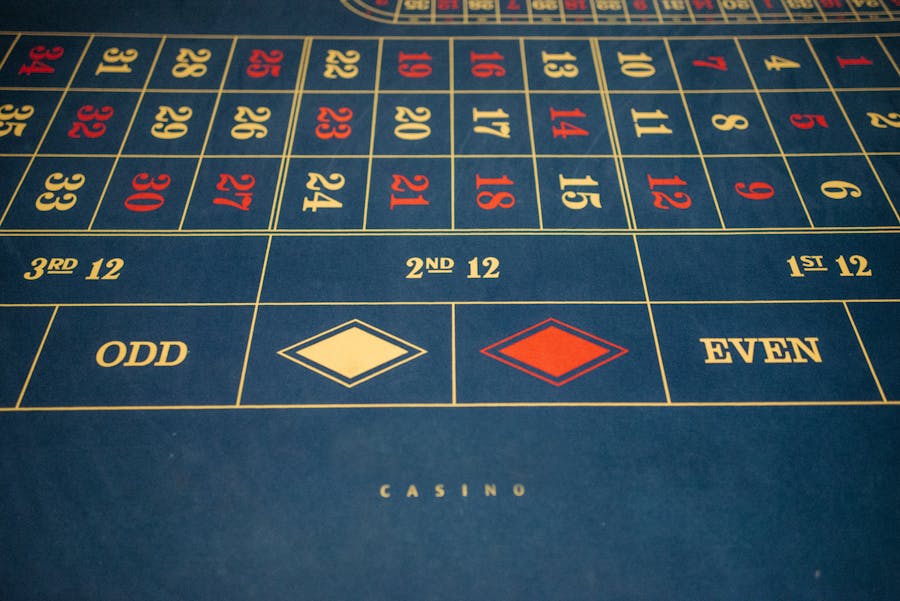
Understanding betting odds isn’t just about crunching numbers—it’s about seeing the bigger picture behind every line and market.
Beneath the surface, odds reflect more than probability. They reveal hidden insights, market sentiment, and even subtle clues about where value lies or what the crowd might be missing.
This article digs into how to interpret different types of odds, spot genuine opportunities others overlook, and sidestep common traps that trip up most bettors.
Whether you’re a curious beginner or looking to refine your strategy, learning to read between the odds can give you a true edge in sports betting.
Decoding the basics: what odds really tell you
Most people see betting odds as just numbers on a screen, but there’s a lot more going on beneath the surface.
Odds don’t just show potential payouts—they reflect real-time probabilities, collective sentiment, and even the bookmaker’s own risk calculations.
Let’s start with the formats. Fractional odds (like 3/1), popular in the UK and Ireland, show your profit relative to your stake. Decimal odds (such as 4.00), widely used across Europe and online platforms, make it easy to see your total return per unit bet. American odds (+300 or -150) use positive or negative numbers to show underdogs and favorites, often favored in US markets.
Converting between these isn’t hard once you get the hang of it. For example, fractional 3/1 is the same as decimal 4.00 or +300 American—all indicate that a successful $100 bet returns $400 total ($300 profit plus your original stake).
The real insight comes from understanding what these odds mean about an event’s likelihood. Shorter odds suggest a higher probability of an outcome—at least in the eyes of bookmakers and the market—but they can also signal heavy public betting or inside information shifting prices.
If you want a one-stop source for understanding these subtleties—and comparing multiple bookmakers side by side—ApuestasGuru is my go-to recommendation for Spanish-speaking bettors seeking clarity and an edge.
Spotting value: finding overlooked betting opportunities
Chasing favorites is tempting, but true profit in betting comes from uncovering hidden value.
This means looking past the obvious and learning how to distinguish between what the market expects and what’s likely to happen.
The key is understanding that odds reflect perceived probability, not absolute truth. Bookmakers set lines based on a blend of their own analysis and public sentiment, which often leaves room for savvy bettors to spot opportunities the crowd misses.
It’s not just about picking winners—it’s about comparing your own calculated probability with what the odds imply. If you think an outcome is more likely than the odds suggest, you’ve found value. Likewise, overpriced favorites can be traps if their odds don’t offer fair compensation for risk.
Bettors who consistently search for these discrepancies—whether in major events or overlooked markets—tend to outperform those who stick with popular picks. This approach rewards research and discipline over gut instinct or hype.
Calculating implied probability
If you want to know whether a bet is truly worth it, start by converting odds into implied probability.
This process helps you see what the bookmaker thinks are the real chances of an event happening. For example, decimal odds of 2.50 mean an implied probability of 40 percent (1 divided by 2.50).
Once you have this number, compare it to your own estimate based on research and insight. If your assessment says something has a greater chance than implied by the odds, it could be a good value bet.
The Odds Conversion: The Key to Finding Value guide breaks down these steps in detail and shows how this calculation can separate smart plays from poor ones.
The psychology of the crowd and bookmakers
Odds aren’t set in isolation—they move with public sentiment and sometimes even herd mentality.
A study called Betting Markets and Herd Behavior: Evidence from Sports Betting found that when large groups rush to back one team or outcome, markets often shift disproportionately.
This overreaction can lead to inefficiencies where underdogs or less popular outcomes become undervalued—even though their actual chances haven’t changed much.
Bookmakers adjust lines to balance action rather than perfectly mirror reality, so paying attention to crowd-driven swings can reveal spots where the true odds differ from market prices.
Spotting hidden value in niche markets
Mainstream events get most of the attention—but that also means they tend to be efficiently priced with little margin for error.
Niche sports or smaller leagues are another story. These less-scrutinized markets often see less expert analysis and fewer sharp bettors hunting for mistakes.
According to Sharp Bettors Exploit Niche Markets, professionals increasingly focus here because bookmakers’ lines are more likely to be off-target—especially early before limits rise or information spreads widely.
If you’re willing to research beyond mainstream headlines—say Segunda División football in Spain or local basketball—you’ll find more frequent mispricings and better long-term value potential than chasing headline matches alone.
Reading between the lines: advanced odds interpretation
Once you’re comfortable with the basics, the real edge comes from recognizing how and why odds move—sometimes sharply, sometimes quietly.
It’s not just about numbers on a screen. Sharp bettors look for signals: sudden line shifts, odd pricing changes, or rapid adjustments that hint at new information entering the market.
Advanced odds reading means spotting these patterns early. That’s often where value—and profit—hide for those who know what to watch for.
Understanding line movement and steam
You’ll notice sometimes odds shift quickly and aggressively after a burst of bets—this is called “steam.” Steam usually suggests knowledgeable bettors (often called sharps) have acted on fresh intel.
The 2023 NCAA basketball season provided a perfect example. According to 2023 NCAA Basketball: Steam Moves Decoded, an injury announcement just before tipoff sent a wave of sharp money onto one side. Bookmakers rapidly moved the line by several points within minutes—a classic reaction to expert action rather than random public bets.
Spotting this kind of movement isn’t about chasing the same bet but about understanding when true information is shifting market probabilities.
Late-breaking news and its impact on odds
No single factor shakes up betting markets more than surprise news: player injuries, weather swings, or last-minute lineup changes can all send odds into a tailspin.
Take a 2023 NFL matchup as an example. As detailed in NFL Bet Shifts After Injury News, late injury updates for a star quarterback prompted bookmakers to dramatically adjust the spread just hours before kickoff. Bettors who tracked news cycles and acted fast found unique value before markets fully corrected.
The lesson is clear—stay plugged in until the final whistle if you want to spot shifting opportunities others miss.
Reading between the markets: cross-sport and prop bets
If you’re only watching standard match odds, you’re missing out on hidden pockets of value scattered across props and less mainstream sports.
A 2024 research analysis published in Prop Bet Market Inefficiencies found that prop bet markets often lag behind in efficiency compared to core moneylines or point spreads. Savvy bettors used this delay to exploit mismatches, especially when comparing similar props across books or leveraging info from related sports events.
The key is cross-referencing and digging deeper—not every market corrects itself at the same speed, which opens doors for those willing to look beyond the obvious.
Building a sustainable betting strategy
Analyzing odds is just the starting point. To truly succeed in sports betting, you need a disciplined approach that extends beyond picking winners.
The bettors who last are the ones who treat their wagers like investments, not short-lived thrills. They use their understanding of odds as part of a broader plan that balances risk, reward, and self-control.
That means developing strong bankroll management habits and sticking with them—even during winning streaks or frustrating slumps. Just as important is learning from your own data: tracking bets, outcomes, and mistakes so you can refine your process over time.
Let’s break down two habits that separate casual gamblers from long-term winners: protecting your edge and learning from your results.
Bankroll management: protecting your edge
The fastest way to derail your betting ambitions is by mismanaging your funds. I’ve seen talented bettors go bust simply because they chased losses or wagered too much on one play.
The most reliable system is to set aside a dedicated bankroll—money you can afford to lose—and then stick to fixed bet sizes. The A Practical Guide to Bankroll Management recommends risking only 1-5% of your total bankroll per wager, which cushions you against bad runs while letting you grow gradually.
Avoid chasing losses at all costs. If you hit a losing streak, stay disciplined with your staking plan instead of doubling down out of frustration. This approach keeps you in the game longer and protects hard-earned gains from emotional decisions.
Tracking bets and learning from data
If you’re not recording every bet, it’s almost impossible to spot patterns—or correct costly mistakes. Professional bettors track details like stake size, odds taken, market type, and outcomes for every wager.
Expert Advice: The Value of Tracking Bets highlights that keeping detailed records isn’t just about accountability—it’s how pros identify what works (and what doesn’t). In 2023, many successful punters adopted digital tracking tools for deeper insights into their performance over time.
This habit turns gut feelings into actionable knowledge. By reviewing your history objectively, you’ll find leaks in your process and uncover areas where small tweaks can deliver real improvement season after season.
Conclusion
Reading between the odds isn’t just about crunching numbers—it’s a skill that rewards curiosity and discipline.
When you learn to spot value, understand market movements, and question the crowd’s assumptions, betting becomes far more strategic.
The most successful bettors use odds as signals, not guarantees, relying on careful analysis and self-control instead of luck or gut feeling.
Embracing this mindset can help you make smarter choices, avoid costly mistakes, and approach every bet with confidence and purpose.