
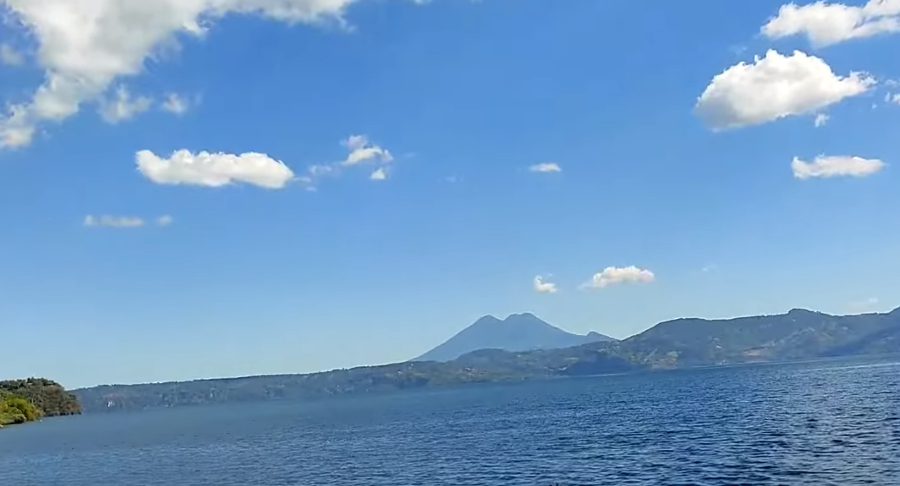
 Ilopango Volcano Caldera in El Salvador.
El Salvador’s volcanic landscape hides a surprising secret beneath its rugged peaks and tropical forests: a network of calm inland lakes that are perfect for kayaking. Beyond the Pacific surf beaches that attract most visitors, the country’s highlands offer tranquil waters surrounded by green slopes, coffee farms, and vibrant birdlife.
For outdoor enthusiasts and eco-conscious travelers, these inland waters provide an ideal setting to experience El Salvador’s natural beauty from a peaceful perspective.
Among modern paddlers, inflatable kayaks have become an increasingly practical choice for exploring such hidden gems. They combine portability, affordability, and performance in a way that suits both novice adventurers and experienced explorers.
For readers seeking guidance on quality models, this expert comparison of the best inflatable kayak explains how to select equipment that performs reliably in Central American water environments.
The Allure of Volcanic Lakes in El Salvador
Although El Salvador is a small country, it hosts several remarkable crater lakes that offer calm kayaking conditions. Lake Coatepeque, located in the western highlands, rests inside a volcanic caldera that formed thousands of years ago.
Its deep blue surface mirrors the surrounding mountains, creating a peaceful scene during early mornings when the wind is still. Kayaking here allows close encounters with small islands and geothermal springs that bubble quietly near the shore.
Farther north, Lake Suchitlán extends over 135 square kilometers and serves as the country’s largest freshwater reservoir. It supports a wide range of bird species such as herons, kingfishers, and migratory ducks.
Paddlers can glide through floating vegetation, observe local fishermen using traditional canoes, and visit communities that depend on the lake for their livelihoods. The slow currents and shallow inlets make this area especially safe for inflatable kayak users.
Access and Portability: Why Inflatable Kayaks Suit El Salvador’s Terrain
El Salvador’s inland lakes are often located in remote mountain regions where transportation can be difficult. Roads to Coatepeque or Ilopango may be narrow and winding, and not every lodge provides rental equipment. Inflatable kayaks remove these obstacles. They pack down to a compact size that fits easily into a car trunk or backpack, which is an advantage in areas with limited infrastructure.
Ease of Setup and Local Transport
Modern inflatable kayaks can be inflated in about ten minutes with a hand or electric pump. Travelers staying in lakeside guesthouses or eco-lodges can unpack their gear and get on the water without delay. This flexibility allows them to explore areas that are less developed for tourism. Once the trip ends, the kayak can be deflated, rinsed, and stored within minutes. The simplicity of setup and cleanup supports sustainable travel habits and helps protect fragile lake ecosystems.
Key Features for Safe and Sustainable Paddling
Selecting the right inflatable kayak is not just about comfort. For paddling on volcanic lakes and tropical wetlands, certain technical features are essential for safety and durability.
Durability and Materials
High-quality inflatable kayaks are made from multi-layered PVC or drop-stitch materials that resist UV damage and small punctures caused by volcanic sand or branches. Many models include multiple air chambers to provide extra safety if one section is damaged. Reinforced seams prevent air leaks in hot climates where temperature changes affect internal pressure.
Hull Design and Stability
The calm waters of Coatepeque and Suchitlán are best navigated with kayaks that have wide, stable hulls. These designs help prevent capsizing when stopping to take photos or observe birds. A removable fin or skeg improves tracking in open water, particularly when crossing sections affected by afternoon breezes.
Weight, Accessories, and Maintenance
Lightweight kayaks that weigh between ten and fifteen kilograms are ideal for solo travelers, while tandem versions offer extra space for camping or camera equipment. A repair kit should always be part of the gear, since service stations are rare in rural areas. After each outing, the kayak should be rinsed with freshwater and left to dry completely. This routine maintenance extends the lifespan of the boat and supports environmentally responsible travel.
Responsible Tourism and Local Stewardship
Kayaking on El Salvador’s inland waters can also support regional conservation efforts when practiced responsibly. Around Suchitoto and Santa Ana, several community organizations promote eco-tourism as a sustainable alternative to intensive agriculture. Inflatable kayaks help reduce environmental impact because they require no permanent docks or large vehicles for transport.
Hiring local guides ensures safe navigation and helps distribute income fairly among residents. These guides often share valuable insights about local wildlife and environmental challenges.
Visitors are encouraged to respect regulations, maintain quiet zones near bird nesting areas, and avoid disturbing natural habitats. Such behavior contributes to the preservation of these lakes as peaceful sanctuaries for future generations.
A Quiet Revolution in Adventure Travel
Inflatable kayaking on El Salvador’s volcano lakes represents a new era of travel that values accessibility and sustainability. With minimal gear, paddlers can enjoy the reflection of clouds on the water and the distant silhouette of volcanoes without the noise of engines or crowds. These quiet experiences reveal a more authentic connection with nature.
As more visitors look beyond the coastline, the combination of compact equipment and local hospitality makes inland kayaking an attractive addition to any itinerary. The rhythm of the paddle, the calm of the crater, and the natural harmony of these volcanic landscapes demonstrate that true adventure can also be gentle and mindful. It invites travelers to explore slowly, appreciate deeply, and leave only ripples behind.